Telling People You’re Neurodivergent: Who, When, and Whether to Say Anything
There’s a particular kind of tension that comes with being neurodivergent and an adult.
On one hand, you might want people to understand why certain things are hard, why you need what you need, and why you seem “fine” one day and completely out of steam the next. On the other hand, you might worry that if you say “I’m autistic” or “I’m neurodivergent”, people will see you differently, think you’re making excuses, or quietly file you under “weird”.
This article sits in that tension. It isn’t here to tell you that you should disclose or that you shouldn’t. Instead, it offers ways of thinking about who to tell, what the pros and cons might be, and how to make choices that feel as safe and realistic as possible for your actual life.
I’ll use some of my own experience along the way: as an autistic adult, a husband, a parent, someone who works full time in higher education, studies part time as a PhD student, and volunteers as a Beaver Scout Leader. I don’t hide my diagnosis, but I don’t shout about it constantly either. Your line might land somewhere similar – or in a completely different place – and that’s okay.
Quick Summary
- Telling people you’re neurodivergent can bring more understanding, support and fewer misunderstandings, but it can also carry real risks and awkwardness.
- You don’t owe anyone your diagnosis or your story. Disclosure is a choice, not a moral duty or a test of “how autistic/ADHD you really are”.
- It helps to think about who you’re telling (family, work, community), what power they have in your life, and what you hope might change if they know.
- My own experience has mostly been positive: my wife wasn’t surprised, my managers and PhD supervisor have been supportive, and parents at Scouts have been reassured. But there are still people I haven’t told yet, like my parents, because of generational attitudes and guilt.
- You are allowed to decide that “not yet” or “only these few people” is the right answer for now. Your neurodivergence is still real, even if very few people know the name for it.
Why disclosure feels like such a big decision
It’s easy, from the outside, to say “Just be yourself” or “If people don’t accept you, that’s their problem.” It’s harder when jobs, housing, money, children, and community roles are involved.
For many of us, there’s history behind the decision:
- being called lazy, rude or weird without people seeing the context
- being punished for meltdowns, shutdowns or “overreactions”
- being praised for coping when you were actually barely holding it together
- absorbing messages about autism and ADHD from news stories, films and social media that don’t sound anything like you
I first had autism mentioned to me indirectly about twenty years ago. Someone online, who I’d never met, said I reminded them of their autistic nephew. It stuck with me. I wondered about it for years. Much later, after talking to professionals and realising how many pieces of my life it could explain, I sought a diagnosis.
By the time I had an actual letter from the NHS about my referral, I was nervous about telling people. I worried that they’d think I was just looking for excuses. I worried they’d say “you’re just weird” or “everyone’s a bit like that.” I worried that naming it would somehow make everything more fragile.
Those worries didn’t vanish just because the diagnosis arrived. If you feel the same, you’re not being silly; you’re responding to real social stigma, even if the people close to you end up being kinder than you fear.
Who you might tell – and what that can mean
Not all disclosure is the same. Telling your partner is very different from ticking a box for HR, which is different again from telling a parent at the school gate.
It can help to think in groups.
Family and close relationships
These are the people who see you at your most tired and unmasked. They are also often the people whose reactions land the hardest.
In my case:
- The first person who effectively “found out” was my wife. She saw the referral letter from the NHS on my desk before I’d managed to find the right moment to bring it up.
- I had wanted to tell her. I also felt a bit of shame, as if seeking a diagnosis was admitting to some kind of failure.
- Her reaction was calm. She wasn’t surprised. She’d worked with neurodivergent people, and she recognised the pattern in me. The “you’re silly for seeking a diagnosis” response I’d been afraid of simply didn’t arrive.
- Our children also know. They have a basic idea of what autism is; I’m not sure they fully grasp it yet, but that’s okay for now. It can grow with them.
When disclosure goes well in close relationships, some positives can include:
- being able to say “my brain is done” instead of inventing vague excuses
- having your preferences (quiet time, advance notice, fewer surprises) taken more seriously
- helping ND children see an adult who is like them and also just…a normal parent doing life
But there can be risks too, especially with older generations or family members with rigid views.
For me, telling my parents is still on the “difficult conversations” list. I worry about:
- generational attitudes: “there was no autism in my day”
- current media stories about “overdiagnosis” and “snowflakes”
- the possibility that they might feel guilty for not recognising it sooner, or dismissive because I’ve managed this far
If you feel similar tensions, you’re not overreacting. Family dynamics are complex, and you’re allowed to move slowly.
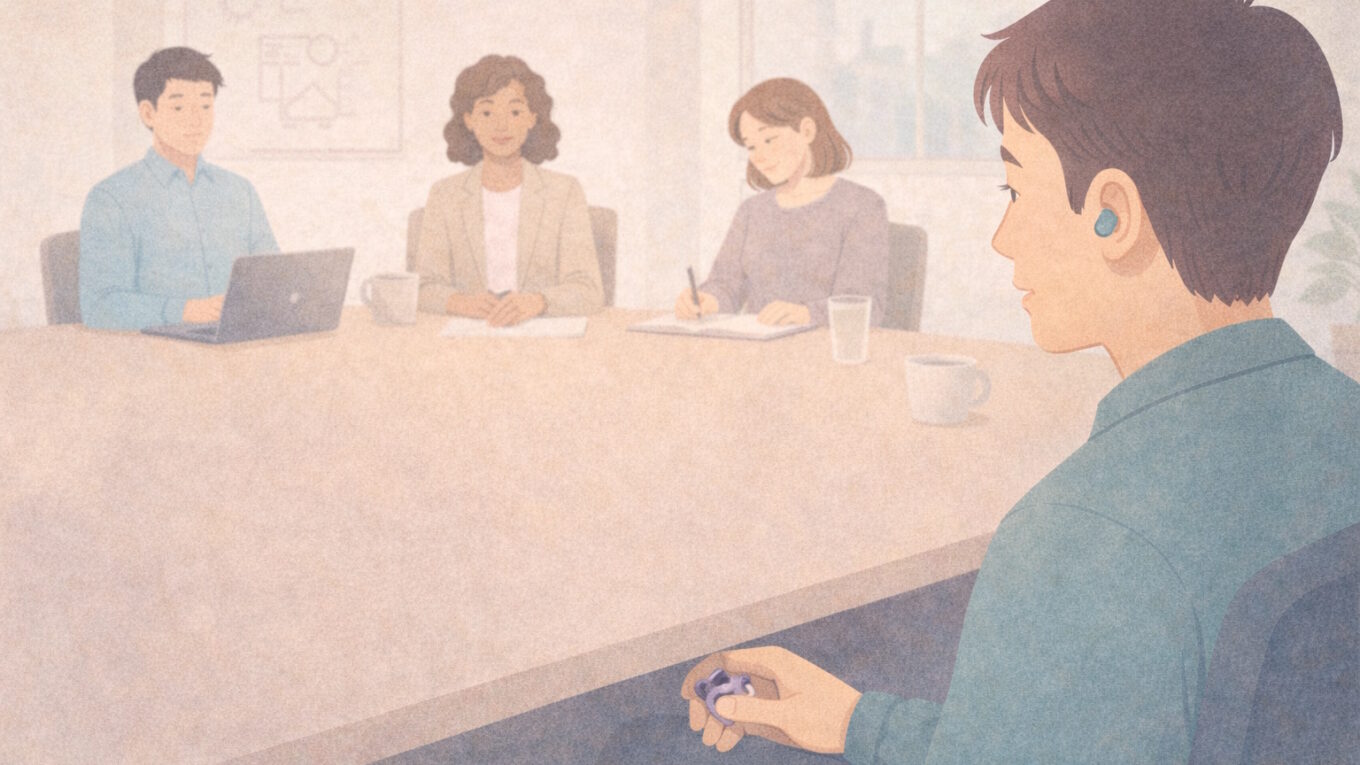
Work: managers, colleagues, HR
Work is often where the fear feels sharpest, because people there can affect your income, progression and day-to-day stress.
At my current job in higher education:
- My line manager, their manager, and HR know I’m autistic.
- I haven’t told my wider colleagues yet, but I intend to when the time feels right.
- I decided to talk to my manager when I realised I needed support with my mental health as well as my workload.
- We went for a coffee and had an informal conversation. It wasn’t a big announcement in a formal meeting; it was a human chat.
- On paper, changes have been agreed. In practice, not much has shifted yet, partly because I suspect there’s still a lack of real understanding.
On the PhD side:
- My Head of Research knows, and again, wasn’t surprised. He was supportive.
- My supervisor knows and has made very practical changes: breaking tasks down clearly, not assuming I’ll pick up “implicit” expectations, and communicating in a way that makes next steps explicit.
- My PhD is fairly solitary, so there hasn’t been a big “telling the group” moment.
Possible upsides of telling at work can include:
- formal or informal accommodations (clearer instructions, adjustments to meetings, flexibility on environment)
- less need to mask so hard, at least with certain people
- managers understanding that missed deadlines may be about executive function or overload, not lack of care
Possible downsides include:
- being seen as making excuses
- well-meaning but unhelpful adjustments that don’t address what you actually need
- subtle changes in how you’re perceived or trusted
The balance will be different for everyone. Job security, contract type, financial cushion, union presence and the general culture all matter.
Community roles
For some people, community roles – volunteering, clubs, faith spaces – can be easier places to be open.
As a Beaver Scout Leader:
- My Group Scout Leader and fellow Beaver Leaders know I’m autistic.
- I don’t hide it from the children or their parents, but I don’t make big speeches about it either. It’s more “quietly present” than “headline news”.
- Several of the children are neurodivergent or in the process of being assessed. I felt it might help them and their families to know that one of the adults in charge is ND too.
- I’ve seen at least one parent visibly relax when they realised I “get it” at more than a theoretical level.
In these spaces, disclosure can help create a sense of “you’re not alone”, especially for ND kids who don’t often see adults like them.
Some possible upsides of telling people
It’s easy to focus on the horror stories, because those are the ones that get shared loudly. It’s important to remember there are quieter, positive stories too.
Some potential benefits of telling, when it’s safe enough, include:
- Less performing, more being. You might not have to maintain the same exhausting level of masking around certain people.
- Fewer misunderstandings. People may be less likely to interpret your quietness, directness, or need for routine as rudeness or lack of interest.
- Practical adjustments. Even small changes – clearer instructions, more written follow-up, less phone, more time to process – can make a big difference.
- Finding “your people”. Sometimes, when you disclose, other ND people quietly disclose back. You realise you’re not the only one in the room.
One of the biggest surprises for me has been how often the people I expected to not understand, or not care, have actually responded with care and curiosity. Not always perfectly, but kindly.
Some possible downsides and real risks
At the same time, there are reasons people are cautious, and they’re not imaginary.
Potential downsides or risks include:
- Not being believed. Comments like “You don’t look autistic” or “Everyone’s a bit like that” can feel invalidating.
- Being pathologised. People may start to treat every preference or disagreement as a “symptom”.
- Being treated differently in unhelpful ways. For example, being left out of projects “to protect you” when you actually wanted to be involved.
- Discrimination. Being passed over for opportunities, mocked behind your back, or judged more harshly for mistakes.
These risks are not equally distributed. Things like race, class, gender, sexuality, immigration status and job security can all affect how safe it is to disclose in a particular setting.
That’s why blanket advice like “always be open” or “never tell anyone at work” doesn’t really work. You need something more tailored to your life.
Questions to ask yourself before you tell someone
You don’t have to sit down with a spreadsheet, but it can help to pause and ask a few questions before telling someone new.
How safe does this person feel?
- How have they responded when others have shared something vulnerable?
- Do they listen, or do they jump straight to fixing, joking or dismissing?
- Have they made comments about autism, ADHD or mental health in the past that made you wince?
If your body tightens when you imagine their reaction, that’s worth noticing.
What power do they have over you?
- Can they directly affect your job, housing, finances, or access to services?
- If things went badly, what is the worst realistic outcome?
- Would you have any recourse if they behaved badly (a union, HR, a complaints process)?
This doesn’t mean “never tell anyone with power”, but it might change how much detail you share or whether you start with needs (“I work best when…”) before labels.
What do you hope will change if they know?
- Do you want emotional understanding, specific accommodations, or just to feel seen?
- Are you hoping for something they can realistically give?
- How will you know if the disclosure has “helped” or not?
Being clear on this can stop you from, for example, telling a colleague when what you actually need is a change in workload from your manager.
How much energy do you have for their reaction?
Even a good reaction can be tiring. People might have questions, worries, or strong feelings of their own.
It can help to ask:
- Am I in a place where I can handle curiosity, confusion or even clumsiness?
- Do I have someone else I can debrief with afterwards, whatever happens?
If the answer is “not right now”, it’s okay to wait.
How I’ve handled it so far
I don’t have a perfect model, but here’s roughly where I’ve landed so far.
At home
My wife knows, and was not surprised. She’d worked with neurodivergent people and could connect the dots before I felt ready to.
Our children know. They understand that “Dad is autistic” to some extent. Over time, that understanding can deepen. I hope it will help them see that being neurodivergent is not some abstract label; it’s part of how their actual, ordinary parent navigates the world.
At work and in my PhD
At my HE job:
- My line manager, their manager and HR know.
- I told my manager over coffee, when I realised I needed support with mental health as well as workload.
- Some adjustments are on paper, but in practice not much has changed yet. I suspect there’s still a gap in understanding.
At university:
- My Head of Research knows and has been supportive.
- My PhD supervisor knows and has changed the way we work together in specific ways: breaking tasks down, not assuming implicit knowledge, making next steps explicit. That kind of clarity makes a real difference when executive function is under strain.
I haven’t told all my colleagues or fellow students. My PhD is quite solitary, and at work I’m waiting for moments that feel natural and safe. In the meantime, I wear a neurodiversity lanyard. It’s a quiet signal rather than a speech.
In community roles
With Scouts:
- My Group Scout Leader and fellow Beaver Leaders know.
- I don’t announce it constantly, but I don’t hide it either.
- Several of the children are neurodivergent or in assessment. I wanted them and their parents to see that someone in a leadership role shares some of their wiring.
- I’ve seen at least one parent visibly more at ease once they realised they weren’t the only ND family in the room.
So my rough rule is:
tell the people who need to know, be open with others when it feels relevant, but don’t feel obliged to bring it up all the time.
That’s not the rule everyone should follow. It’s just where I’ve landed so far.
Ways to say it (without giving your whole life story)
If you do decide to tell someone, it can help to have a sentence or two ready, so you’re not trying to improvise under stress.
Here are some example phrases you might adapt:
For general use:
- “I’m autistic, which means my brain processes information and social stuff a bit differently.”
- “I’m autistic, so I can get overwhelmed by noise and last-minute changes.”
- “I’m autistic, and that shows up most in [planning] / [sensory things] / [social burnout].”
If you prefer to start with “neurodivergent”, you could say:
- “I’m neurodivergent – for me that means I’m autistic – so I sometimes need extra time to process information.”
At work:
- “I’m autistic, and I work best when expectations are very clear. Could we quickly check we’re on the same page about what I’m doing next?”
- “I’m autistic, so I find it hard to process a lot of information at speed. Written summaries after meetings really help me not miss things.”
- “Because I’m autistic, noisy environments drain me quite fast. Headphones or a quieter space some of the week would make a big difference.”
You do not have to mention mental health every time you mention autism, unless you want to. I usually keep them separate, unless I’m talking to a medical professional.
If it goes badly (or just awkwardly)
Not every disclosure will end in a heart-warming moment. Sometimes reactions are:
- clumsy but fixable,
- neutral and slightly awkward,
- or genuinely unkind.
If it goes badly, you are allowed to:
- feel disappointed, angry or sad about it
- tighten your boundaries with that person
- decide not to share more of your inner life with them
- seek support elsewhere (friends, ND spaces, professionals)
It might also be worth writing down what was actually said, especially at work, in case there is a pattern later that you want to address formally.
If it just feels awkward, remember that you’ve had time to process this; the other person is hearing it for the first time. You are not responsible for their feelings, but a little time can sometimes help them catch up.
If you’re not ready to tell anyone (or only a very few)
You are allowed to keep your neurodivergence completely private. You are allowed to tell one person and stop there. You are allowed to change your mind over time.
Your autism or ADHD does not become more or less real depending on how many people know about it.
Sometimes the kindest thing you can do for yourself is to build internal understanding and self-compassion first, and only then think about disclosure. Sometimes you never reach a point where you want or need to tell certain people. That’s a valid outcome.
A quiet closing thought
Before I started telling people I was autistic, I had a strong story in my head about how it would go. I pictured being seen as making excuses, or as “the weird one”, or as someone who suddenly needed to be handled differently.
What has actually happened, more often than not, is this:
- people accepted me as the person they already knew
- some people who I expected not to understand turned out to be quietly kind
- a few things got a little easier, even if the whole system didn’t magically adjust
If I could talk to the version of me who had just received that NHS referral letter, I’d say something like:
Don’t worry quite so much. The people who are really in your corner will still be in your corner. It might not change anything in a dramatic way, but it could give you a bit more room to be yourself.
There will always be bad stories about disclosure. They matter, and they’re real. But they don’t cancel out the possible enrichment, understanding and connection that can come from opening up in the right places, at the right times, with the right people.
You don’t have to decide everything today. You don’t have to tell everyone. You don’t have to tell anyone.
You are allowed to move slowly, to be cautious, to learn from each experience, and to protect your own well-being. Whether you choose to speak or stay silent, your neurodivergent self is still valid, still real, and still worthy of care.

I’m Andrew, the person behind Quietly Neurodivergent. I’m an autistic adult who spent many years trying to pass as “fine” – holding things together at work, showing up to meetings, hitting deadlines – and then unravelling in private. I know what it feels like to look competent on the outside while running on fumes underneath.
By day I work with student data in higher education; by night (and very early mornings) I’m a part-time PhD student thinking about education, inequality and how people move through systems that were never quite built for them. I’ve also spent nearly ten years as a town councillor and I volunteer as a Beaver Scout Leader, which means I’ve had a lot of practice navigating meetings, forms, responsibilities and sensory/social overload at the same time. That mix of lived experience, community work and research shapes how I write here: practical, plain-English pieces that sit somewhere between “this is what it’s like” and “here are some things you could try”.
I’m not a clinician and I don’t offer diagnosis, therapy or miracle fixes. What I can offer are honest accounts of what has and hasn’t helped me with study, work and everyday life, alongside small, realistic tools you can adapt for yourself. If you recognise yourself in the phrase “quietly neurodivergent”, this site is for you.