Category: Work & Careers

Navigating jobs, workplaces, and careers while quietly neurodivergent. Meetings, email, open-plan offices, boundaries, and decisions about disclosure. Focused on realistic strategies for coping with expectations at work without burning out.

Person at a desk composing a message on a laptop by lamplight, with a blurred networking event visible through the window behind.

Networking Without the Room: A Quieter Approach for Neurodivergent Professionals

The standard networking advice – work the room, schmooze, follow up – was designed for a particular kind of person. For those of us who are quietly neurodivergent, that model doesn’t just feel uncomfortable, it can feel impossible. This article explores why, and what a slower, more honest alternative looks like in practice.

Read More

Soft, muted illustration of a sparse home workspace with an open laptop, a handwritten notepad with crossed-out notes, and a mug of tea on a wooden desk by an overcast window, with one hand resting near the keyboard, suggesting a difficult task still in progress.

When the Job Hunt Is the Job: Neurodivergent and Looking for Work

Job hunting is hard. Job hunting while neurodivergent — from a standing start of redundancy, gardening leave, and a nervous system not built for relentless self-promotion — is something else entirely. This article covers the application process, interviews, disclosure decisions, psychometric testing, and the emotional load, from someone writing in the middle of it.

Read More
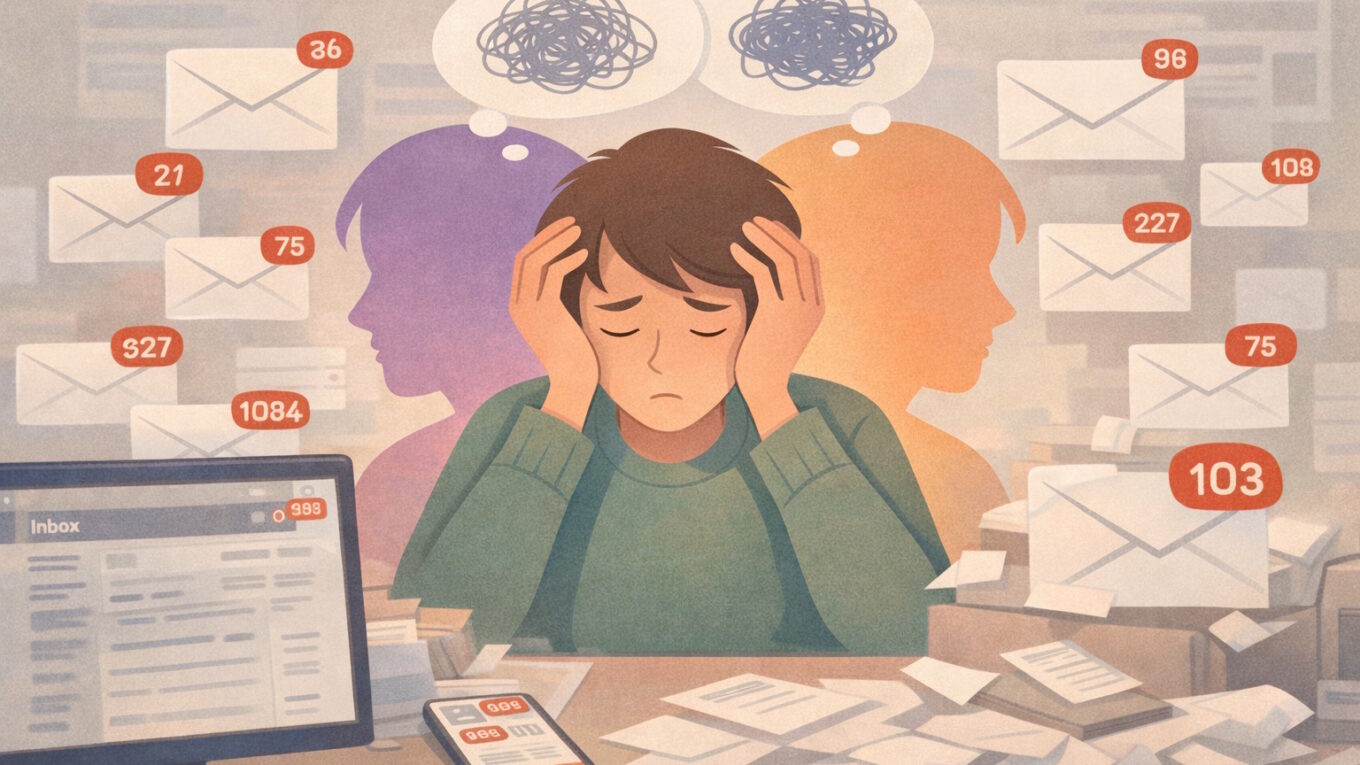
Illustration of a person overwhelmed at their desk, surrounded by screens and flying email icons showing huge unread counts.

Taming Email and Messages When Your Neurodivergent Brain Is Already Full

Email and messages are meant to keep us connected, but for many neurodivergent people they mostly arrive as a steady stream of demands and tiny emergencies. This piece looks at why inbox overload is so common, and offers small, realistic ways to use quiet hours, simple triage, templates and clearer expectations so email feels a little less hostile to your already-full brain.

Read More
Being a Good Colleague

Being a Good Colleague to Someone Who’s Quietly Neurodivergent

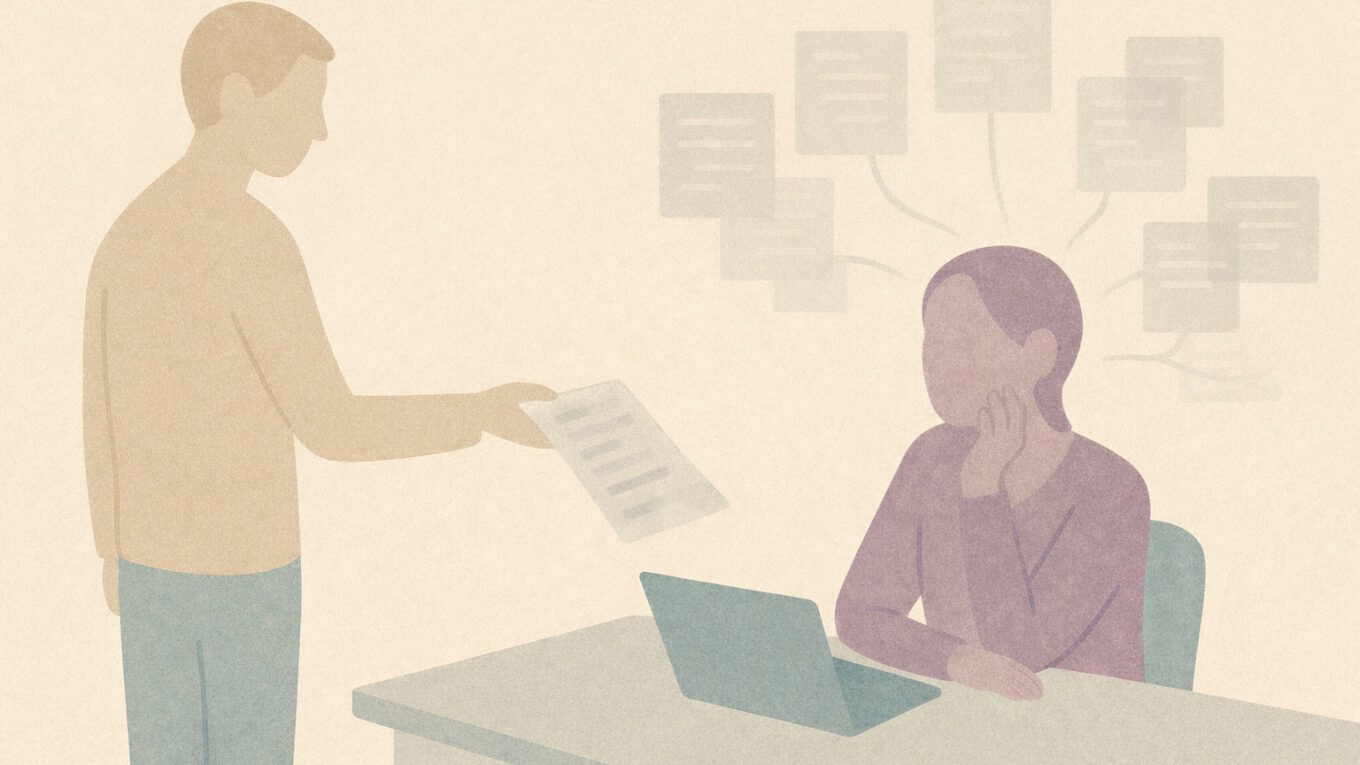
You might have a colleague who is bright and reliable but often quiet, hard to read or exhausted after busy days. Maybe they’ve told you they are autistic or ADHD, or maybe you just have a sense that the world takes more effort for them. This guide offers practical, plain-English ways to be a good colleague: clearer emails, reasonable notice, respecting headphone time, avoiding minimising jokes and gossip, and remembering you don’t have to fix them to make work a little kinder.

Read More
Job Applications - Should I?

Applying for Jobs When You’re Quietly Neurodivergent: Disclosing, Not Disclosing, and Finding What Fits

Job applications are hard work for most people. When you’re quietly neurodivergent, they can feel like an extra unpaid job. You’re writing forms and preparing for interviews while also deciding whether to mention autism, ADHD or related differences at all. This guide explores the real fear of being filtered out or treated as a box-ticking exercise, and offers gentle, practical ideas on when to disclose, when not to, and how to ask for adjustments in plain English.

Read More
Quietly Neurodivergent Fidget Tools

Small Fidgets and Comfort Objects for Neurodivergent Brains in Meetings

If you fidget constantly in meetings and worry it looks unprofessional, you’re not alone. For many autistic and ADHD people, small, quiet fidgets and discreet earplugs are genuine focus tools, not bad habits. This article looks at why they help, how to choose subtle options that work in your environment, and what to say if someone asks, “Are you paying attention?”

Read More
Neurodiversity Practical Guide for Managers

How to Support a Quietly Neurodivergent Employee: A Practical Guide for Managers

Many managers want to support neurodivergent staff but quietly worry about getting it wrong. This article explains what “quietly neurodivergent” can look like at work, why masking and exhaustion are so common, and how clear expectations, written follow-up and small adjustments can make a big difference. It’s written in plain English so a neurodivergent person can share it with their line manager and say, “This is quite close to my experience.”

Read More
Phone Video Calls Neurodivergent

Phones, Video Calls and Real-Time Panic: A Neurodivergent Guide

Many autistic and ADHD people don’t just “dislike” phone and video calls – they find them genuinely exhausting. Real-time processing, unspoken social cues and the pressure to respond quickly can leave you anxious before the call and wiped out afterwards. This article explores why calls are so hard, why preferring text, IM or email is a valid access need, and offers gentle scripts and small strategies for coping when calls are unavoidable and for asking for alternatives when that’s possible.

Read More
Unfounded Overdiagnosis Concerns

Thinking About an Autism or ADHD Assessment When the World Is Shouting About “Overdiagnosis”

Headlines about “overdiagnosis” and people gaming the system can make it harder to take your own struggles seriously. This article offers a quiet counterpoint: why many of us seek autism or ADHD assessment for clarity, self-understanding and fair support rather than money, how minimising phrases like “we’re all on the spectrum somewhere” miss the point, and why you’re allowed to ask questions about your own brain even in a hostile political climate.

Read More
Vague Descriptions at Work

Vague Instructions Are an Access Issue

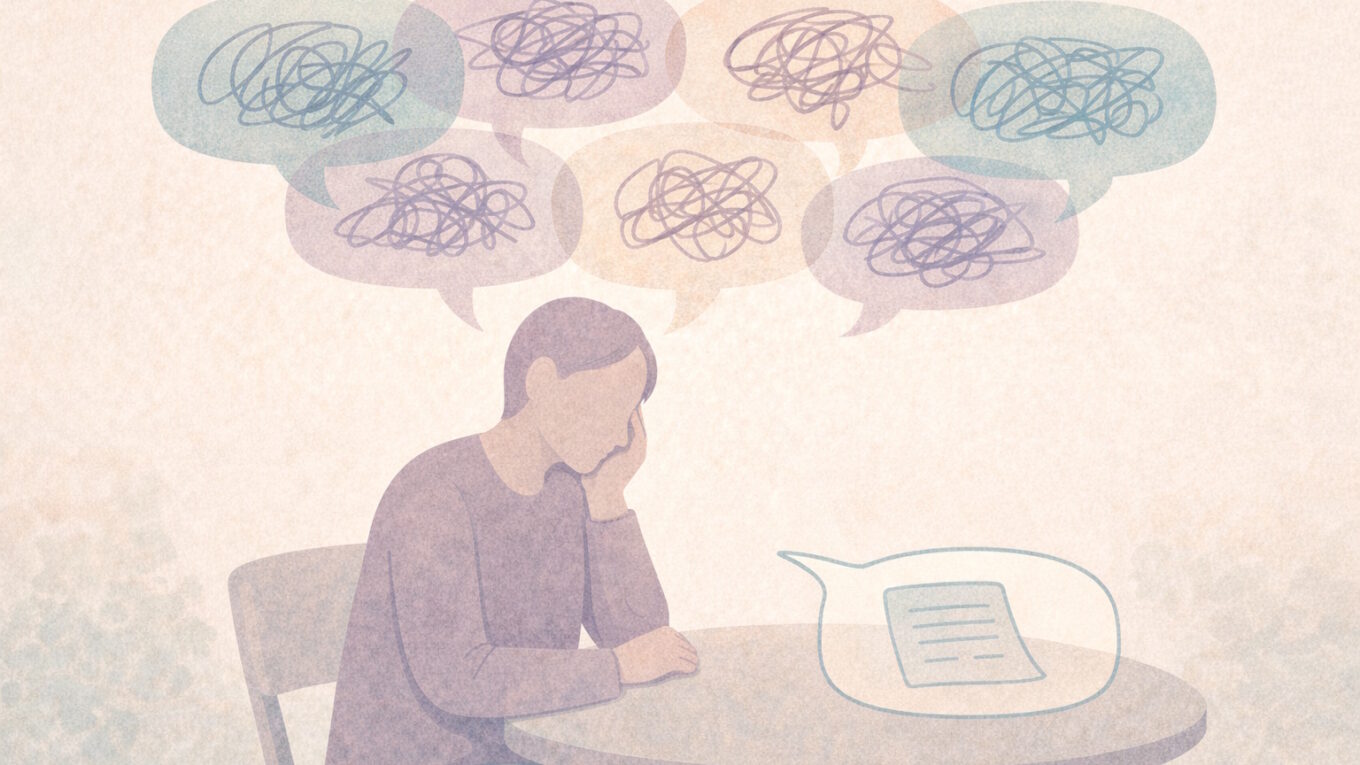
“Can you just pull something together?” can feel like a small request, but for many autistic and ADHD people it creates a huge amount of hidden work. This article looks at why vague instructions are an access issue, how our brains juggle multiple interpretations at once, and offers simple, kind scripts and questions to get clearer outcomes, deadlines and formats without feeling difficult.

Read More