Category: Tools & Environments

The physical and digital setups that make life easier: desks, lighting, sound, apps, planners, and small bits of kit that genuinely help ND brains function. Not a gadget showcase – just honest discussion of what supports focus, comfort, and reduced sensory overload.

Person at a desk composing a message on a laptop by lamplight, with a blurred networking event visible through the window behind.

Networking Without the Room: A Quieter Approach for Neurodivergent Professionals

The standard networking advice – work the room, schmooze, follow up – was designed for a particular kind of person. For those of us who are quietly neurodivergent, that model doesn’t just feel uncomfortable, it can feel impossible. This article explores why, and what a slower, more honest alternative looks like in practice.

Read More

Neurodivergent adult in headphones standing in a bright supermarket aisle, quietly managing sensory overload.

Supermarkets, High Streets and Quiet Exits: Coping With Sensory Overload in Everyday Places

For many neurodivergent people, “just popping to the shop” isn’t simple at all. This piece unpacks why supermarkets and high streets are so draining, and offers practical ways to lower the sensory load — plus gentle scripts for explaining it to partners, family and housemates.

Read More
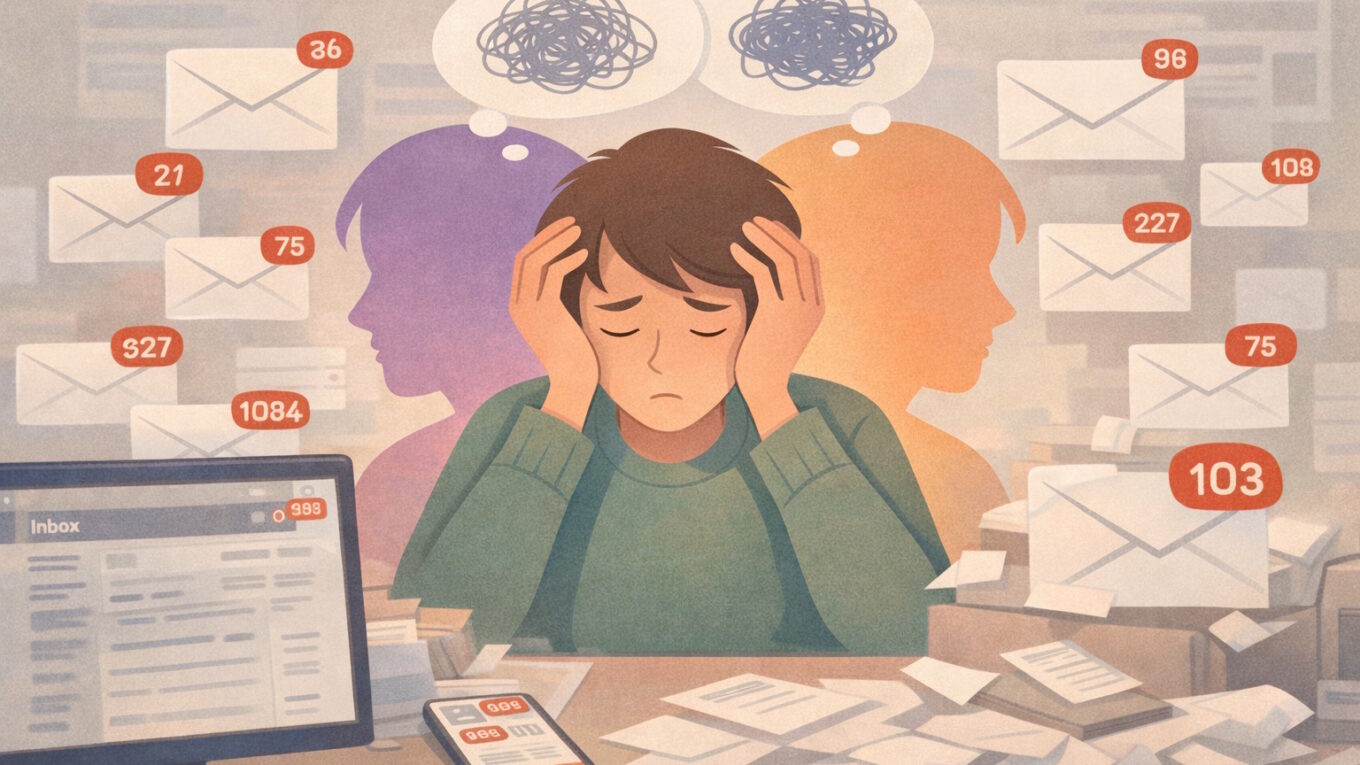
Illustration of a person overwhelmed at their desk, surrounded by screens and flying email icons showing huge unread counts.

Taming Email and Messages When Your Neurodivergent Brain Is Already Full

Email and messages are meant to keep us connected, but for many neurodivergent people they mostly arrive as a steady stream of demands and tiny emergencies. This piece looks at why inbox overload is so common, and offers small, realistic ways to use quiet hours, simple triage, templates and clearer expectations so email feels a little less hostile to your already-full brain.

Read More
Quietly Neurodivergent Fidget Tools

Small Fidgets and Comfort Objects for Neurodivergent Brains in Meetings

If you fidget constantly in meetings and worry it looks unprofessional, you’re not alone. For many autistic and ADHD people, small, quiet fidgets and discreet earplugs are genuine focus tools, not bad habits. This article looks at why they help, how to choose subtle options that work in your environment, and what to say if someone asks, “Are you paying attention?”

Read More
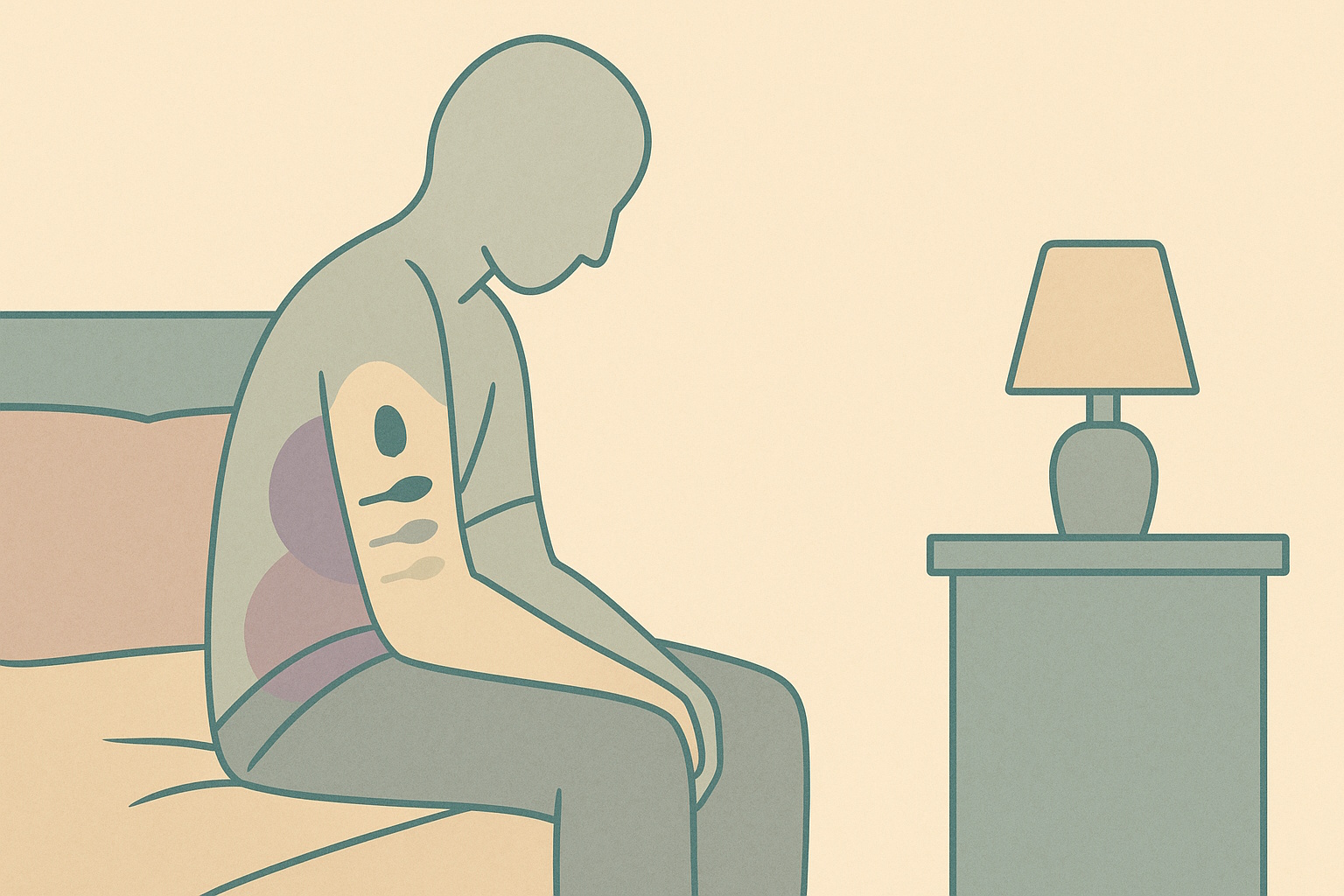
Low Spoons Day

Low-Spoon Days: Tiny Tools and Routines for When You Have No Energy

Some days it feels like you wake up with no batteries and almost no spoons. This article looks at what “low-spoon” days are, how they show up in everyday life, and offers tiny, realistic tools and routines to help autistic and ADHD adults get through the essentials without burning out completely.

Read More
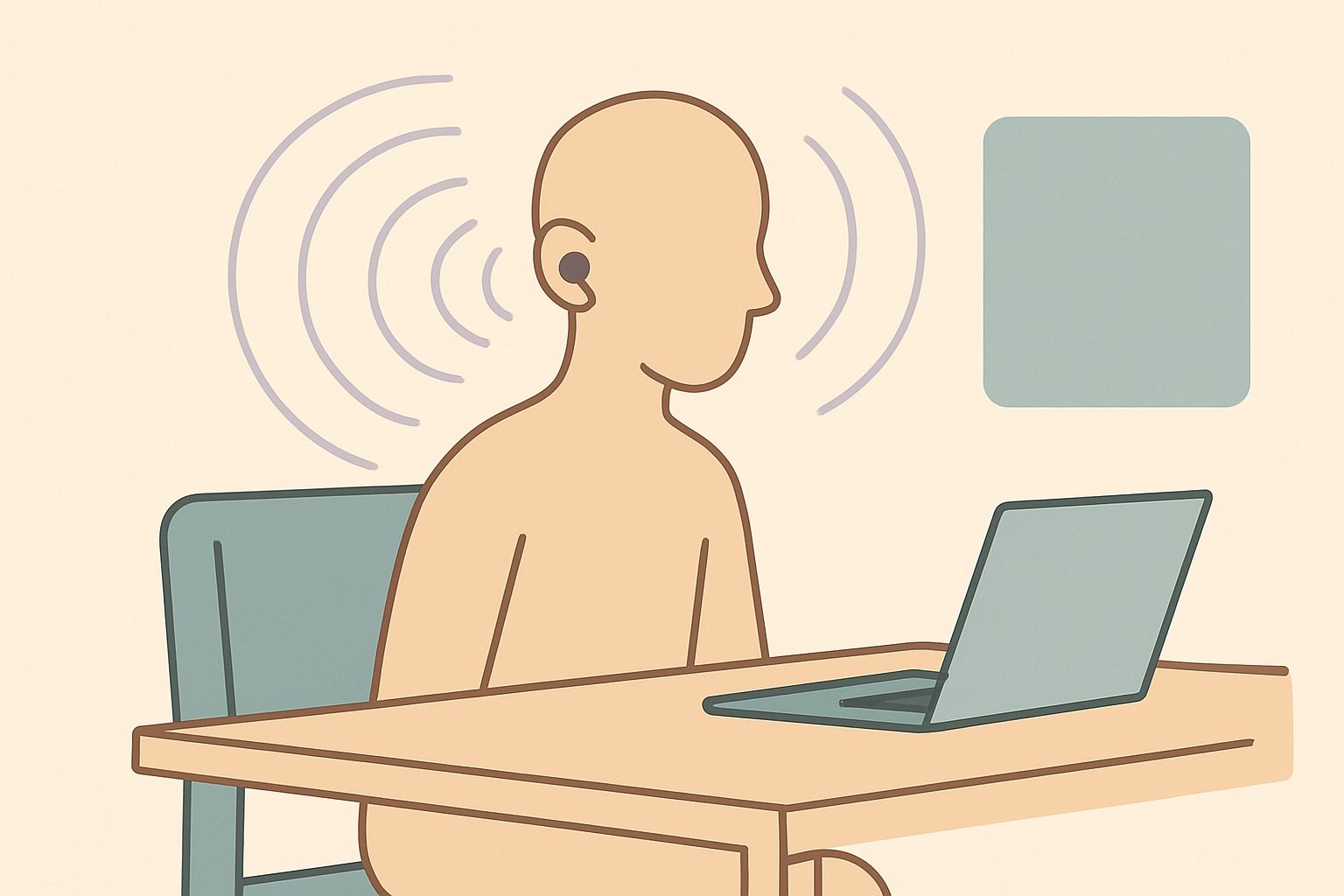
Ear Protection for Neurodiverse Individuals

Ear Protection for Neurodivergent Brains: When Sound Is Too Much and What You Can Do

Background noise doesn’t have to be painful to be exhausting. In this article I share how I use noise-reducing ear plugs and earbuds as an autistic adult in open-plan offices, at Beavers and in everyday life, and offer practical, safety-aware ideas you can adapt to find what works for your own sensory system.

Read More