Category: Life & Routines

Everyday life with a neurodivergent brain: planning weeks that don’t collapse, managing energy, recognising shutdowns and overload, and building “good enough” routines. Practical ideas for making daily life a bit less exhausting and more predictable, without pretending everything can be optimised.

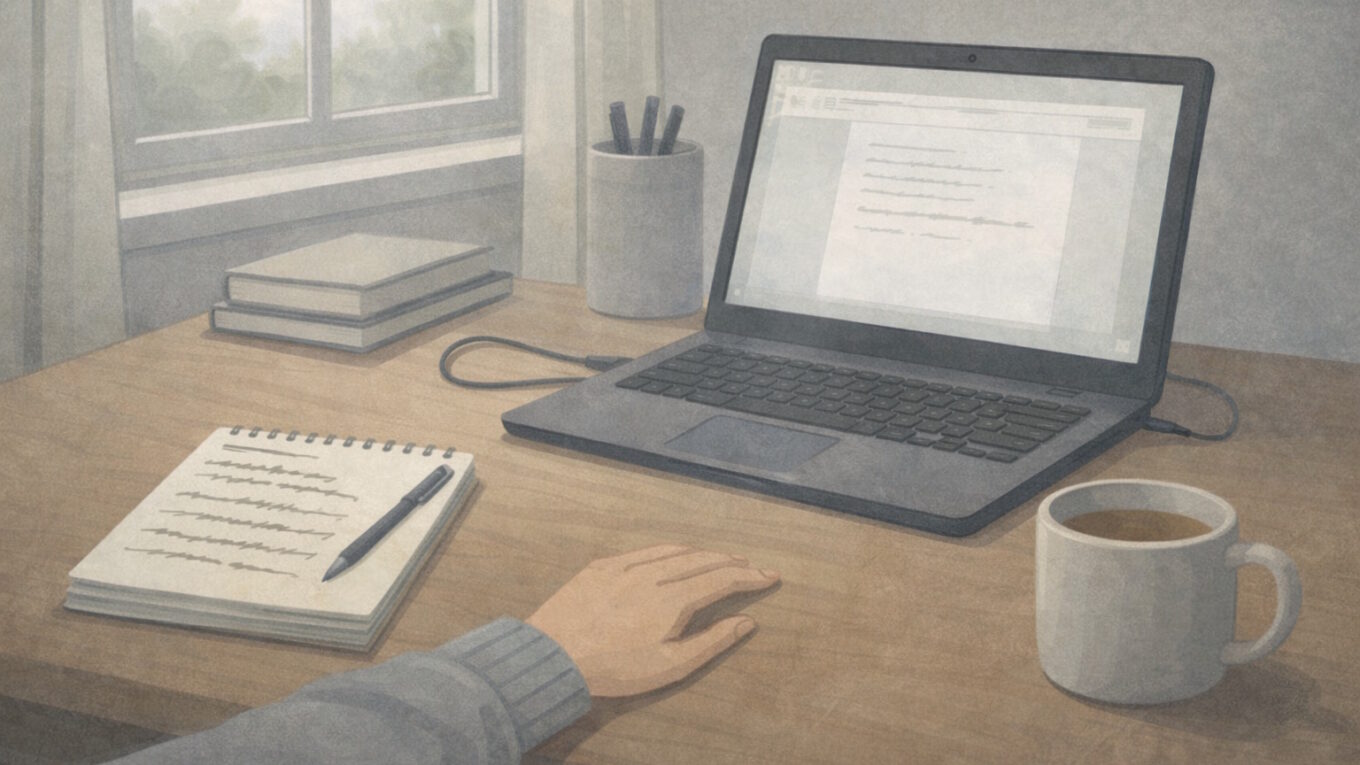
Soft, muted illustration of a sparse home workspace with an open laptop, a handwritten notepad with crossed-out notes, and a mug of tea on a wooden desk by an overcast window, with one hand resting near the keyboard, suggesting a difficult task still in progress.

When the Job Hunt Is the Job: Neurodivergent and Looking for Work

Job hunting is hard. Job hunting while neurodivergent — from a standing start of redundancy, gardening leave, and a nervous system not built for relentless self-promotion — is something else entirely. This article covers the application process, interviews, disclosure decisions, psychometric testing, and the emotional load, from someone writing in the middle of it.

Read More


Soft, muted illustration of a quiet sitting room with an armchair by a window, a steaming mug on a wooden table, and an unopened book resting under a hand in an orange sleeve, suggesting a paused, uncertain moment of rest.

When Time Off Isn’t Restful: Neurodivergent Brains and Unstructured Days

For many neurodivergent people, holidays and unstructured days can feel more draining than a working week — not because something is wrong, but because structure does more cognitive work than most people realise. This article explores why time off doesn’t always feel restful, and offers gentle, low-pressure approaches to making unstructured time a little more inhabitable.

Read More
Neurodivergent adult in headphones standing in a bright supermarket aisle, quietly managing sensory overload.

Supermarkets, High Streets and Quiet Exits: Coping With Sensory Overload in Everyday Places

For many neurodivergent people, “just popping to the shop” isn’t simple at all. This piece unpacks why supermarkets and high streets are so draining, and offers practical ways to lower the sensory load — plus gentle scripts for explaining it to partners, family and housemates.

Read More
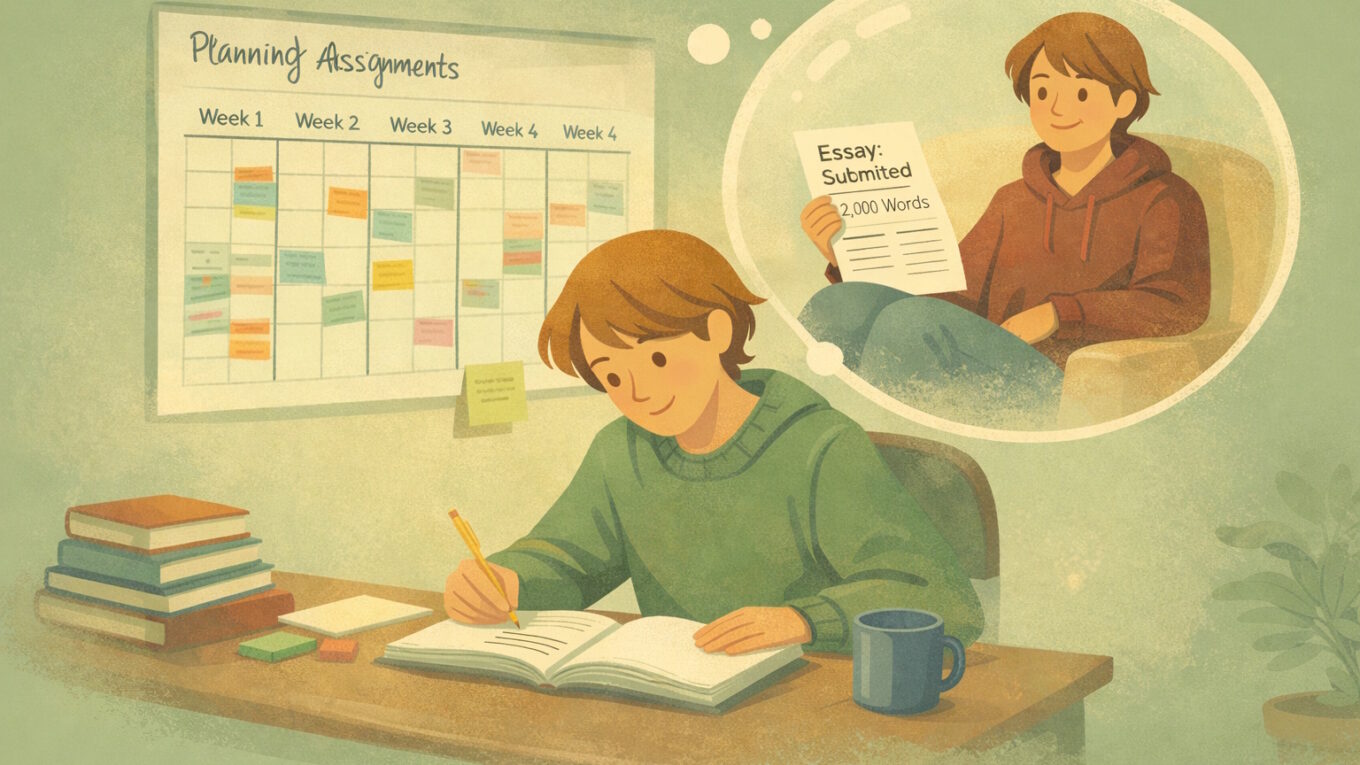
Student planning assignments at a desk with a colour-coded 4-week calendar, imagining their future self happily holding a submitted essay.

Planning Assignments When You’re Time Blind: A Step-by-Step Guide

Planning assignments when you’re time blind isn’t about suddenly becoming a perfectly organised student. It’s about turning one vague, overwhelming essay into small, visible steps that your brain can actually work with. This guide walks through a real example, then offers 4-week and 1-week templates you can reuse to give “future you” fewer last-minute crises.

Read More
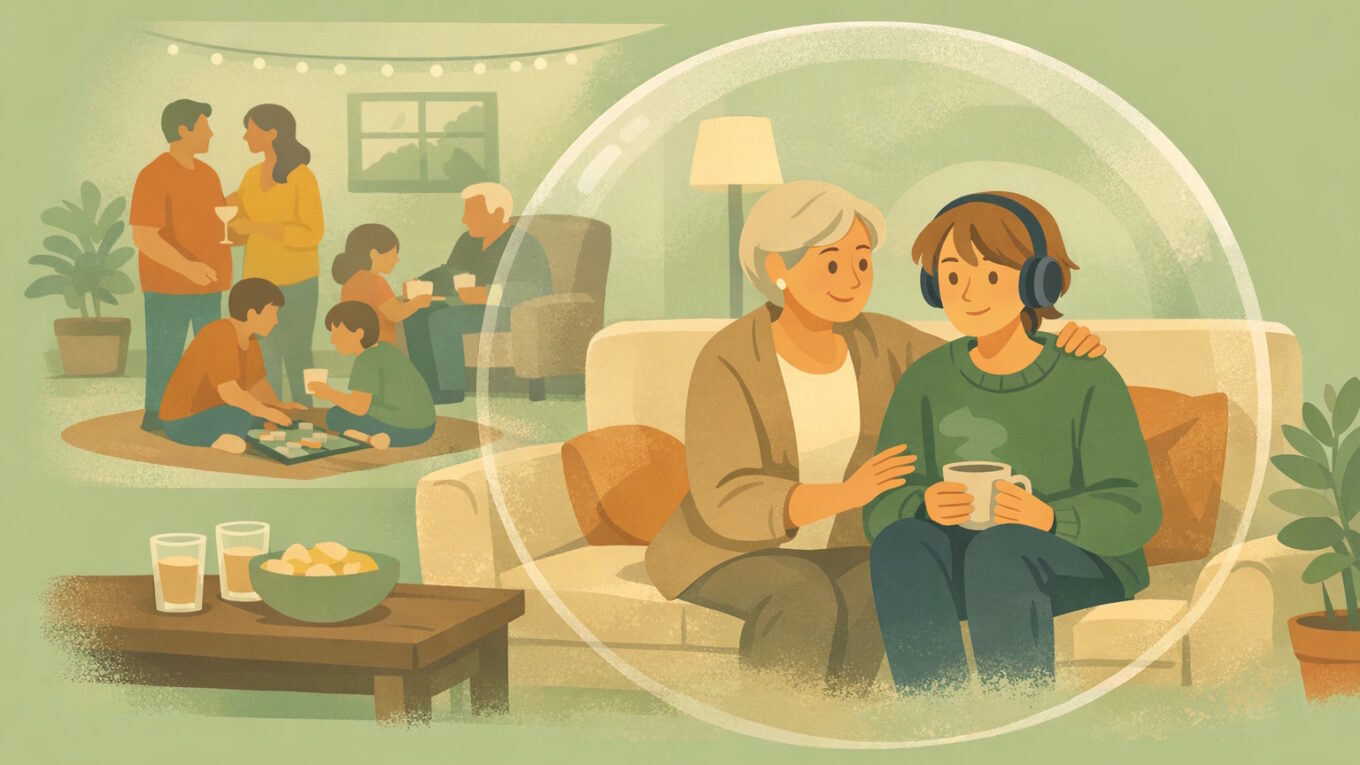
Quiet neurodivergent person in headphones sitting in a calm “bubble” on the sofa, supported by a relative while a busy family gathering happens in the background.

Supporting a Neurodivergent Family Member: How to Be Kind Without Walking on Eggshells

Supporting a quiet neurodivergent person in your family is less about grand gestures and more about everyday choices: believing what they tell you about their limits, keeping plans flexible, and letting them step back without guilt. This gentle guide walks through why family life can feel so heavy for neurodivergent people, and offers practical do’s, don’ts and kinder phrases you can start using right away.

Read More
Supporting Quietly Neurodivergent Child

Supporting a Quietly Neurodivergent Child Without Pushing Them Past Breaking Point

Some children look like “no problem” at school and then fall apart at home. If your child seems to cope all day and then crashes in the evening, you may not be doing anything wrong at all. This article looks at quietly neurodivergent children who mask through the school day, then melt down or shut down where it finally feels safe. It offers gentle ideas for decompression time, homework, clubs and talking to school, and explains why “rudeness” is often overload, not bad character.

Read More
Quietly Neurodivergent Partners Guide

Living With Someone Who Comes Home Exhausted From Masking: A Guide for Partners

If your partner comes home from work exhausted, quiet or shut down while everyone else sees them “coping fine”, it can really hurt. This guide explains what masking is, why home becomes the crash site, and how you can support them with decompression time, low-pressure evenings and kinder language – without ignoring your own needs.

Read More
Phone Video Calls Neurodivergent

Phones, Video Calls and Real-Time Panic: A Neurodivergent Guide

Many autistic and ADHD people don’t just “dislike” phone and video calls – they find them genuinely exhausting. Real-time processing, unspoken social cues and the pressure to respond quickly can leave you anxious before the call and wiped out afterwards. This article explores why calls are so hard, why preferring text, IM or email is a valid access need, and offers gentle scripts and small strategies for coping when calls are unavoidable and for asking for alternatives when that’s possible.

Read More
Unfounded Overdiagnosis Concerns

Thinking About an Autism or ADHD Assessment When the World Is Shouting About “Overdiagnosis”

Headlines about “overdiagnosis” and people gaming the system can make it harder to take your own struggles seriously. This article offers a quiet counterpoint: why many of us seek autism or ADHD assessment for clarity, self-understanding and fair support rather than money, how minimising phrases like “we’re all on the spectrum somewhere” miss the point, and why you’re allowed to ask questions about your own brain even in a hostile political climate.

Read More
Guilt Free Saying No

Social Invitations, Guilt and Saying No Without Burning Bridges

Around Christmas, New Year and other busy seasons, social invitations can pile up fast. For many autistic and ADHD people, every event carries hidden costs in energy, masking and recovery time. This article explores why invitations can feel so heavy, how to get honest about your social capacity, and offers gentle scripts for saying no – or “yes, but differently” – without burning your relationships or yourself out.

Read More