Tag: neurodivergent

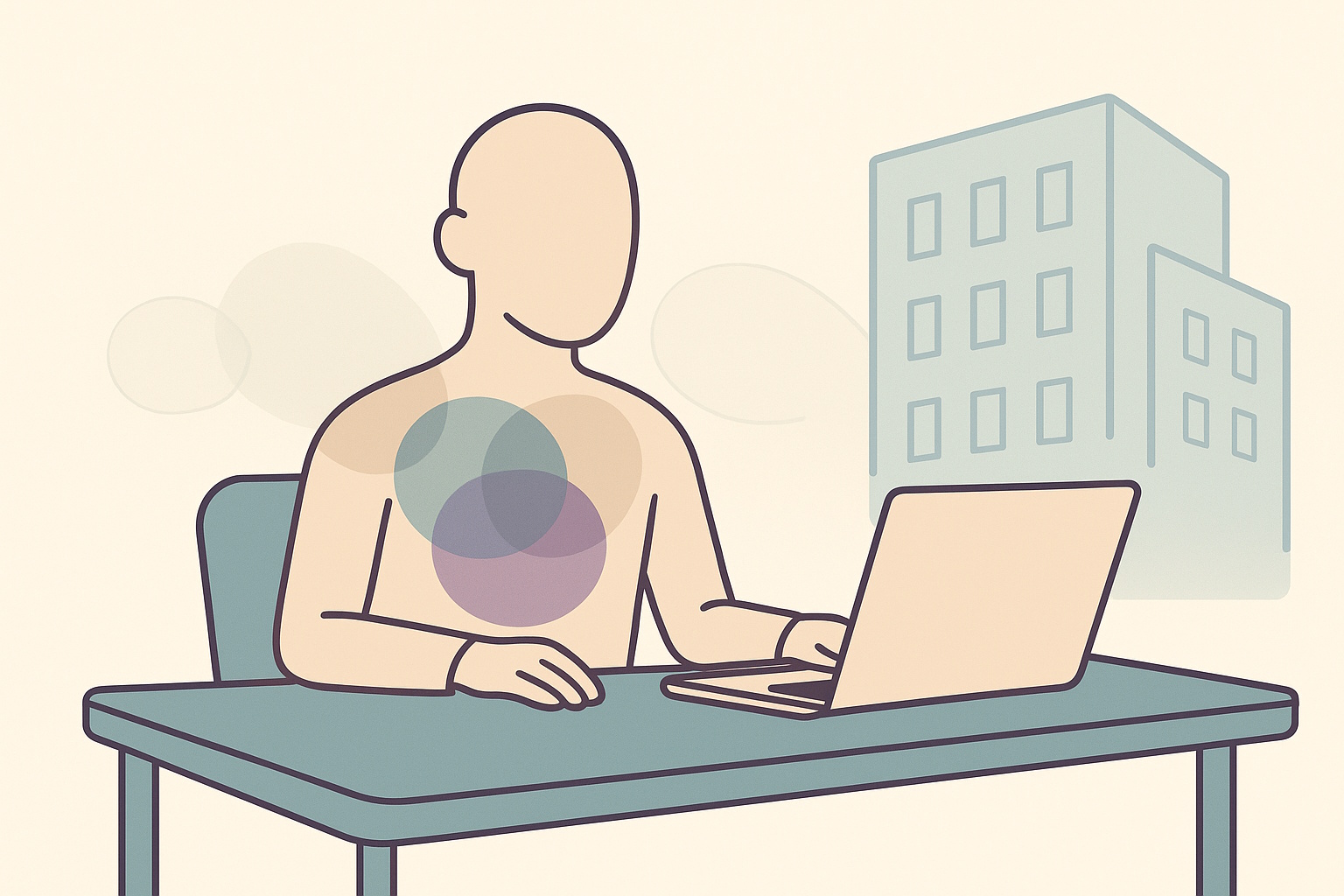
Person at a desk composing a message on a laptop by lamplight, with a blurred networking event visible through the window behind.

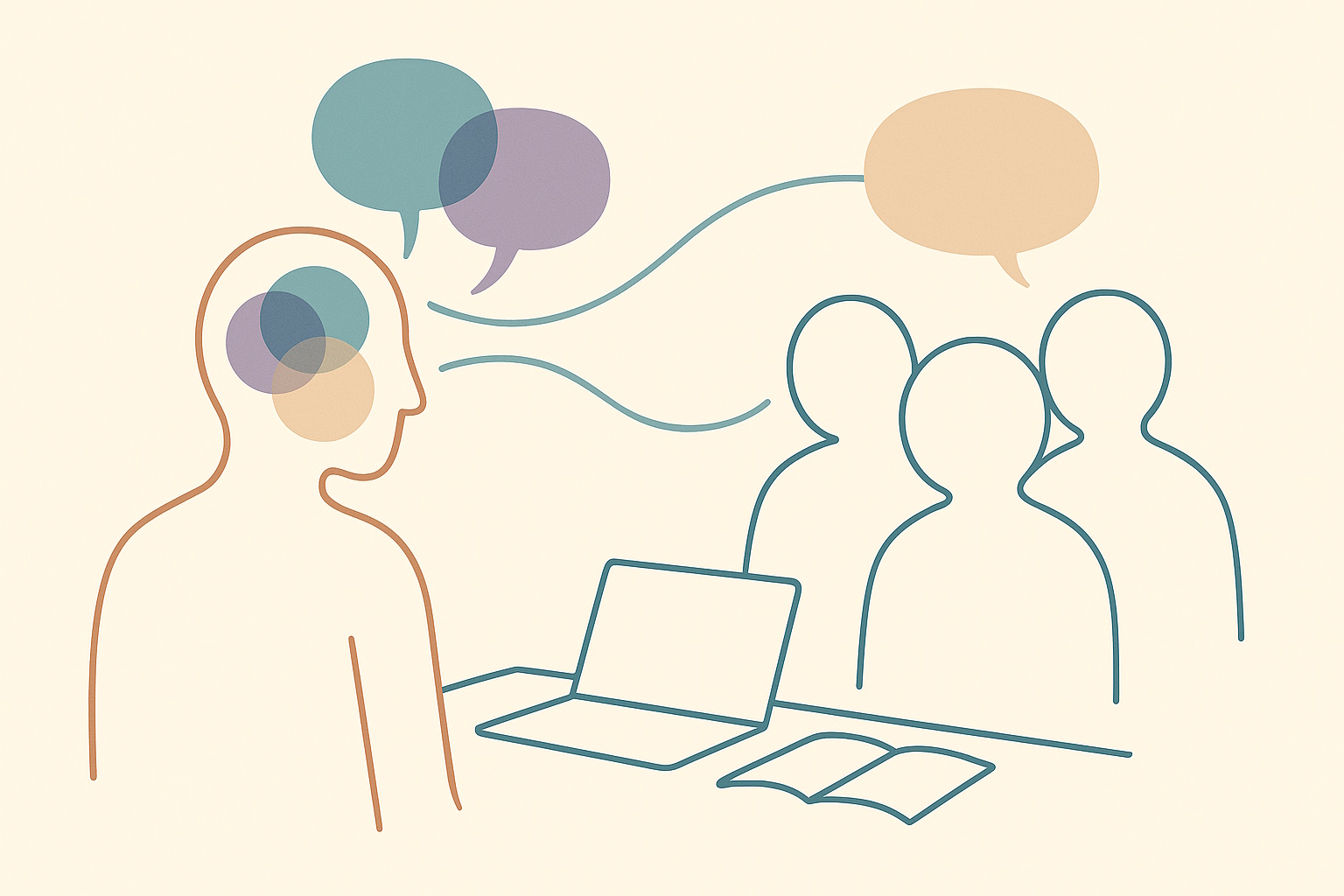
Networking Without the Room: A Quieter Approach for Neurodivergent Professionals

The standard networking advice – work the room, schmooze, follow up – was designed for a particular kind of person. For those of us who are quietly neurodivergent, that model doesn’t just feel uncomfortable, it can feel impossible. This article explores why, and what a slower, more honest alternative looks like in practice.

Read More


Neurodivergent adult in headphones standing in a bright supermarket aisle, quietly managing sensory overload.

Supermarkets, High Streets and Quiet Exits: Coping With Sensory Overload in Everyday Places

For many neurodivergent people, “just popping to the shop” isn’t simple at all. This piece unpacks why supermarkets and high streets are so draining, and offers practical ways to lower the sensory load — plus gentle scripts for explaining it to partners, family and housemates.

Read More
Job Applications - Should I?

Applying for Jobs When You’re Quietly Neurodivergent: Disclosing, Not Disclosing, and Finding What Fits

Job applications are hard work for most people. When you’re quietly neurodivergent, they can feel like an extra unpaid job. You’re writing forms and preparing for interviews while also deciding whether to mention autism, ADHD or related differences at all. This guide explores the real fear of being filtered out or treated as a box-ticking exercise, and offers gentle, practical ideas on when to disclose, when not to, and how to ask for adjustments in plain English.

Read More
Informing Others of Neurodiversity

Telling People You’re Neurodivergent: Who, When, and Whether to Say Anything

Deciding whether to tell people you’re neurodivergent can feel huge. This article explores the pros and cons of disclosure with family, at work and in community roles, and shares how I’ve handled it so far as an autistic adult, employee, PhD student, parent and Beaver Scout Leader.

Read More
Studying When Your Brain Won’t Start

Studying When Your Brain Won’t Start

Many autistic and ADHD students care deeply about their work but still feel unable to start. Drawing on my own experience of working full time, studying part time and raising a family, this article explains why studying can feel impossible and offers tiny, realistic ways to move forward without expecting a perfect student brain.

Read More
Passing as "fine" at work

Passing as “Fine” at Work (When You’re Quietly Falling Apart)

Many neurodivergent people look calm and capable at work while quietly falling apart afterwards. This article names that pattern of “passing as fine”, explores why autistic and ADHD adults so often do it, and offers small, realistic ways to make work 5–10% kinder to your brain.

Read More