Category: Work & Careers

Navigating jobs, workplaces, and careers while quietly neurodivergent. Meetings, email, open-plan offices, boundaries, and decisions about disclosure. Focused on realistic strategies for coping with expectations at work without burning out.

Writing Neurodiversity Statement

How I Explain How I Work: Writing a Neurodiversity Statement

Knowing you’re neurodivergent is one thing; explaining it to managers, tutors or coordinators is another. This article walks through how to write a short “how I work” neurodiversity statement, using a simple structure, example sentences based on my own statement, and ideas for adapting it to work, study and volunteering while still protecting your privacy.

Read More

Neurodivergent Meetings

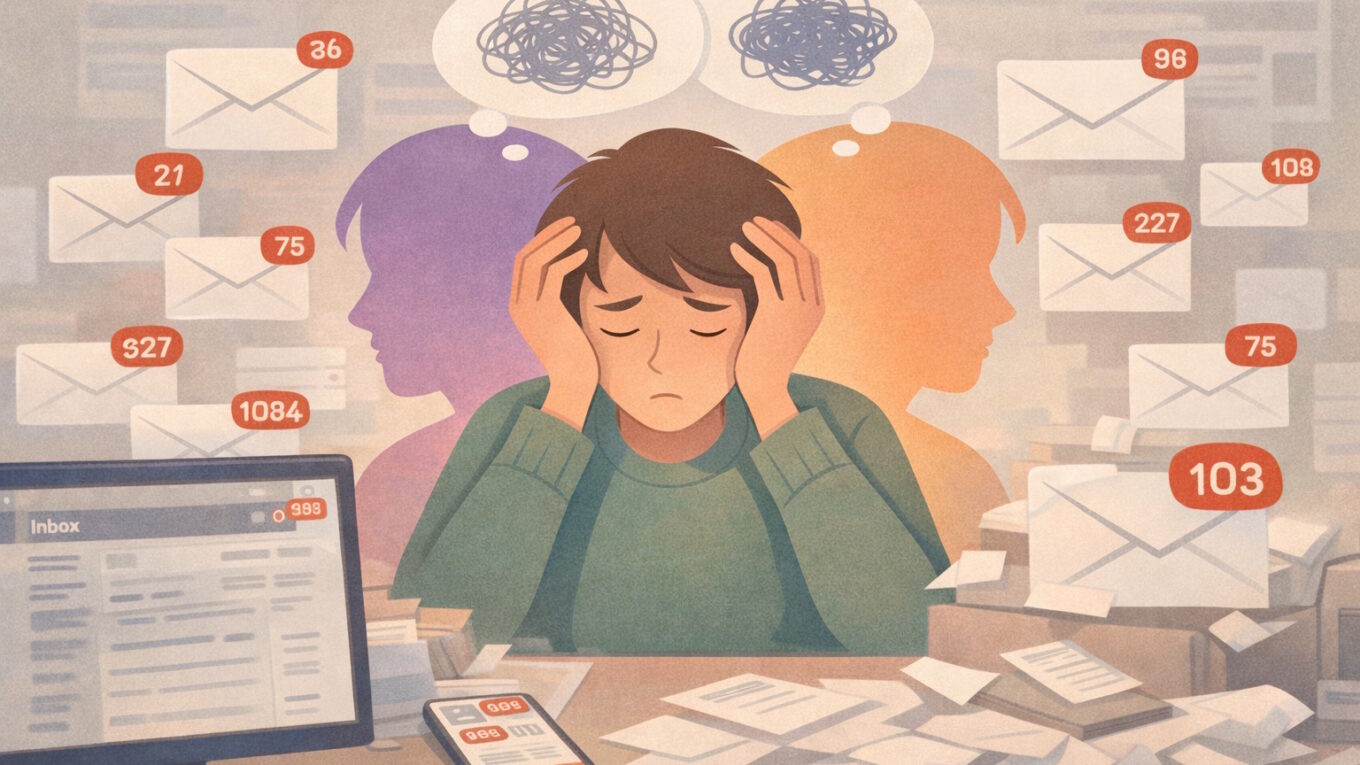
Surviving Meetings When Your Brain Is Already Full

Meetings can look like “where the real work happens” from the outside and like sensory and cognitive overload from the inside. This article explores why meetings are so tiring for autistic and ADHD people, shares how I cope with agendas, notes, quiet fidgets and reset time, and offers small, realistic tweaks that can make your next meeting a little less overwhelming.

Read More
Go Quiet and Deliver

When Your Default Is “Go Quiet and Deliver”

Many autistic and ADHD people naturally “go quiet and deliver”: we disappear into the work and only update when there’s something concrete to show. This article explores why that happens, how it can worry managers who can’t see what’s going on, and offers tiny, realistic ways to agree check-ins and send short updates without turning into someone who lives in email.

Read More
Informing Others of Neurodiversity

Telling People You’re Neurodivergent: Who, When, and Whether to Say Anything

Deciding whether to tell people you’re neurodivergent can feel huge. This article explores the pros and cons of disclosure with family, at work and in community roles, and shares how I’ve handled it so far as an autistic adult, employee, PhD student, parent and Beaver Scout Leader.

Read More
Passing as "fine" at work

Passing as “Fine” at Work (When You’re Quietly Falling Apart)

Many neurodivergent people look calm and capable at work while quietly falling apart afterwards. This article names that pattern of “passing as fine”, explores why autistic and ADHD adults so often do it, and offers small, realistic ways to make work 5–10% kinder to your brain.

Read More