Tag: Supporting People

Illustration of a calm classroom. A teacher stands at the front, and several students sit at desks. One student near the back is quiet and focused, with soft abstract shapes around their head hinting at hidden mental effort.

Supporting Quietly Neurodivergent Students: A Guide for Teachers and Lecturers

Quietly neurodivergent students are often the ones teachers and lecturers never worry about. They’re present, polite, and doing well on paper – but may be masking hard and running on empty. This guide offers practical, low-drama ways to redesign teaching and respond more gently, without putting anyone under a spotlight.

Read More
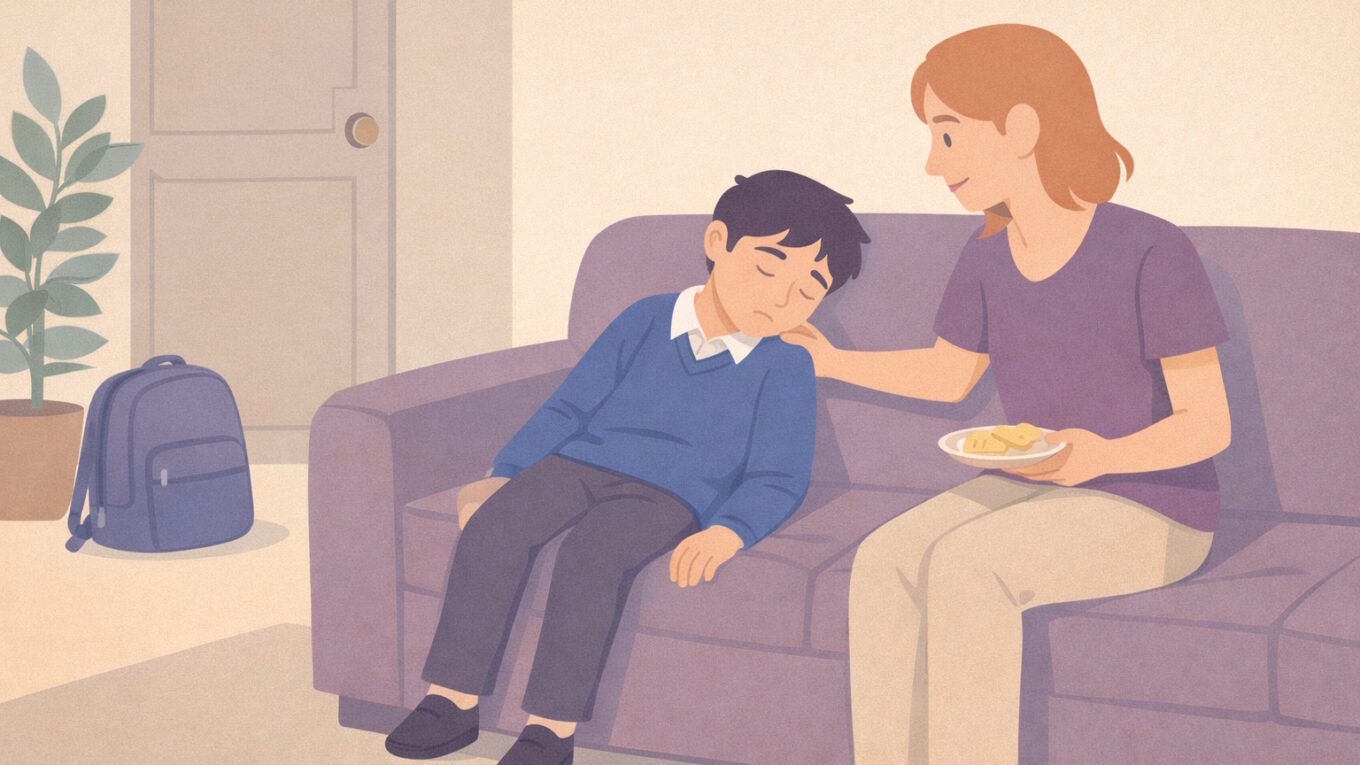

Supporting Quietly Neurodivergent Child

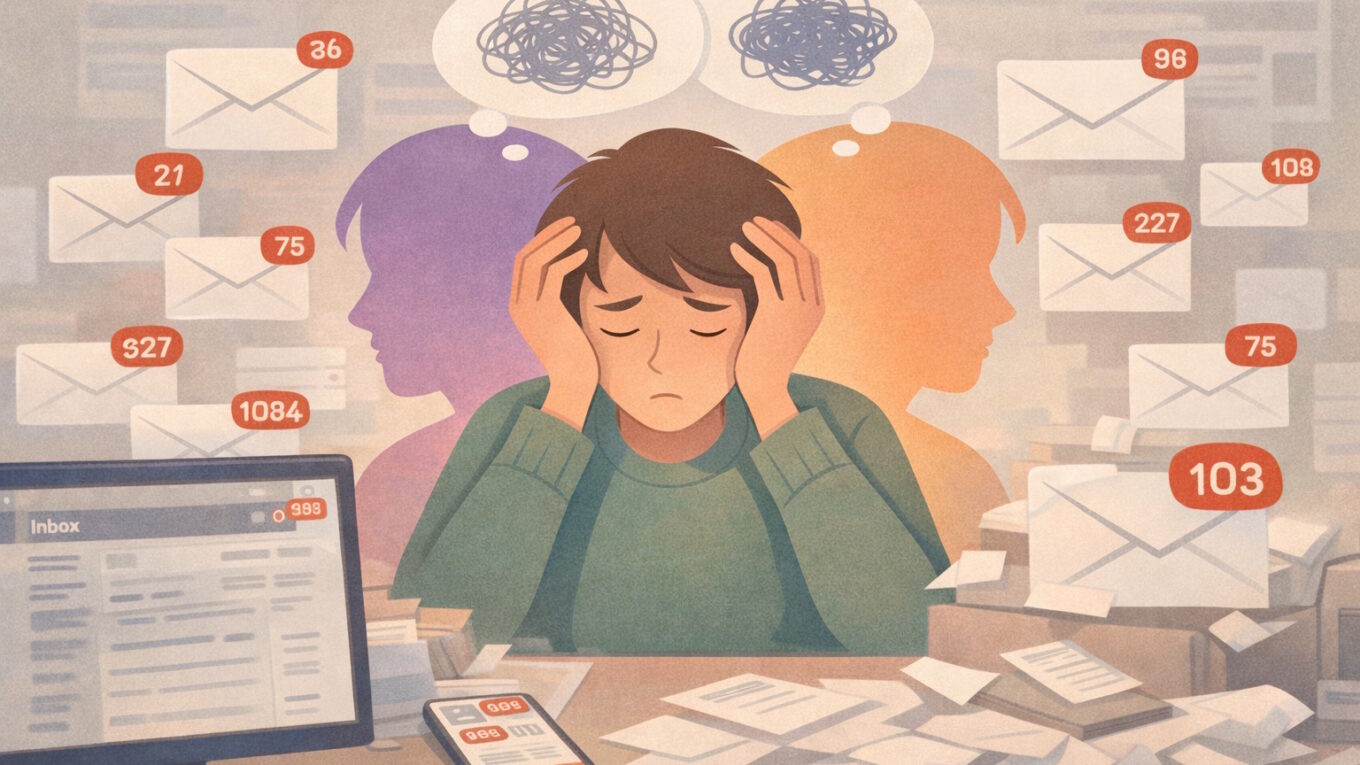
Supporting a Quietly Neurodivergent Child Without Pushing Them Past Breaking Point

Some children look like “no problem” at school and then fall apart at home. If your child seems to cope all day and then crashes in the evening, you may not be doing anything wrong at all. This article looks at quietly neurodivergent children who mask through the school day, then melt down or shut down where it finally feels safe. It offers gentle ideas for decompression time, homework, clubs and talking to school, and explains why “rudeness” is often overload, not bad character.

Read More
Being a Good Colleague

Being a Good Colleague to Someone Who’s Quietly Neurodivergent

You might have a colleague who is bright and reliable but often quiet, hard to read or exhausted after busy days. Maybe they’ve told you they are autistic or ADHD, or maybe you just have a sense that the world takes more effort for them. This guide offers practical, plain-English ways to be a good colleague: clearer emails, reasonable notice, respecting headphone time, avoiding minimising jokes and gossip, and remembering you don’t have to fix them to make work a little kinder.

Read More
Quietly Neurodivergent Partners Guide

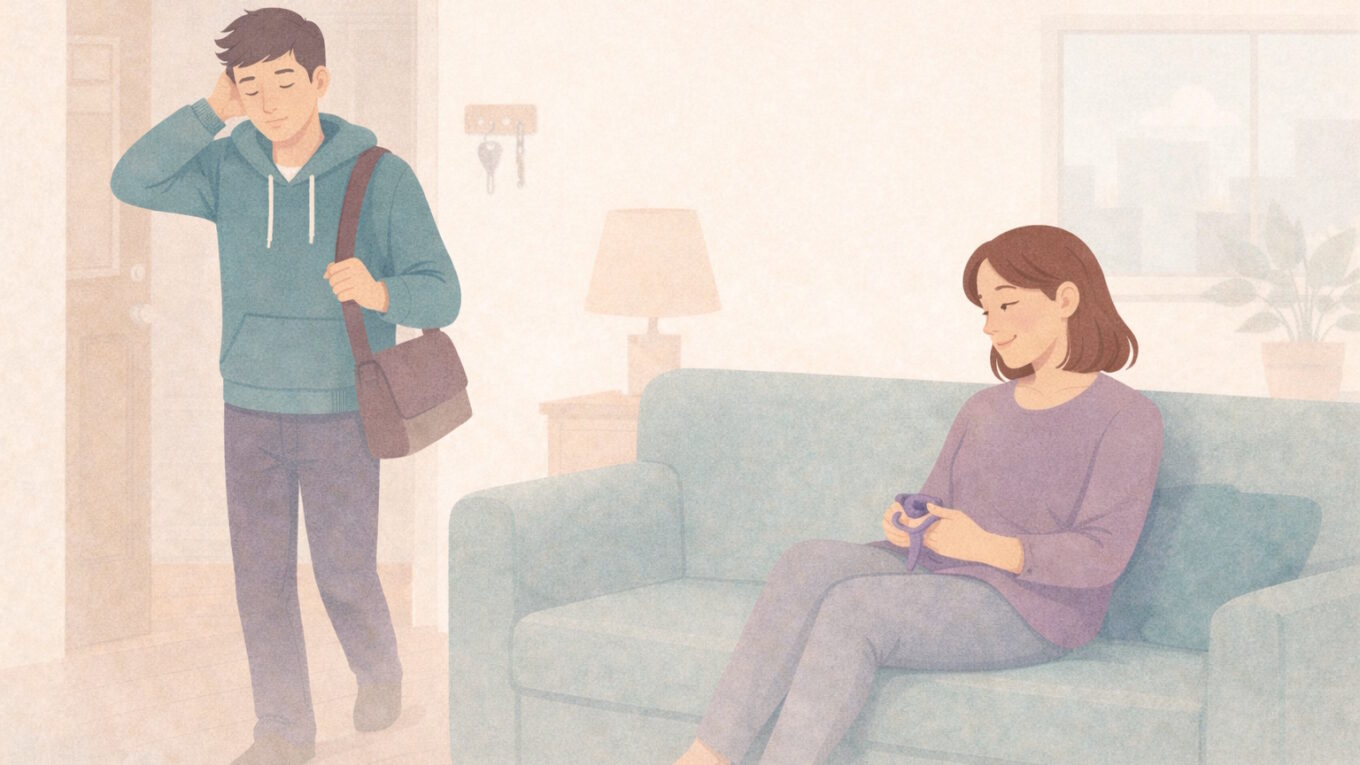
Living With Someone Who Comes Home Exhausted From Masking: A Guide for Partners

If your partner comes home from work exhausted, quiet or shut down while everyone else sees them “coping fine”, it can really hurt. This guide explains what masking is, why home becomes the crash site, and how you can support them with decompression time, low-pressure evenings and kinder language – without ignoring your own needs.

Read More