What “Quietly Neurodivergent” Means (and Who This Site Is For)
This page is a starting point for the whole site. It’s here to put words to a certain kind of experience – looking fine on the outside, quietly struggling underneath – and to explain who Quietly Neurodivergent is for.
If your brain is tired, you can read the short version in the Quick Summary just below and then only the sections that feel most relevant.
Quick Summary
- “Neurodivergent” is a broad word for brains that work differently from the expected norm (for example autistic, ADHD, AuDHD, dyslexic).
- “Quietly” is about what other people see: you might look fine on the outside while quietly falling apart underneath.
- This site is for neurodivergent people (diagnosed or not) who are trying to study, work and live in systems that weren’t built for them.
- You’ll find calm, plain-language pieces about study, work, burnout, masking, admin and sensory needs – with realistic suggestions, not miracle fixes.
- This is not a place for diagnosis, crisis support or legal/medical advice. It sits alongside professionals, not instead of them.
The pattern: looking fine, running on fumes
You might recognise some of this.
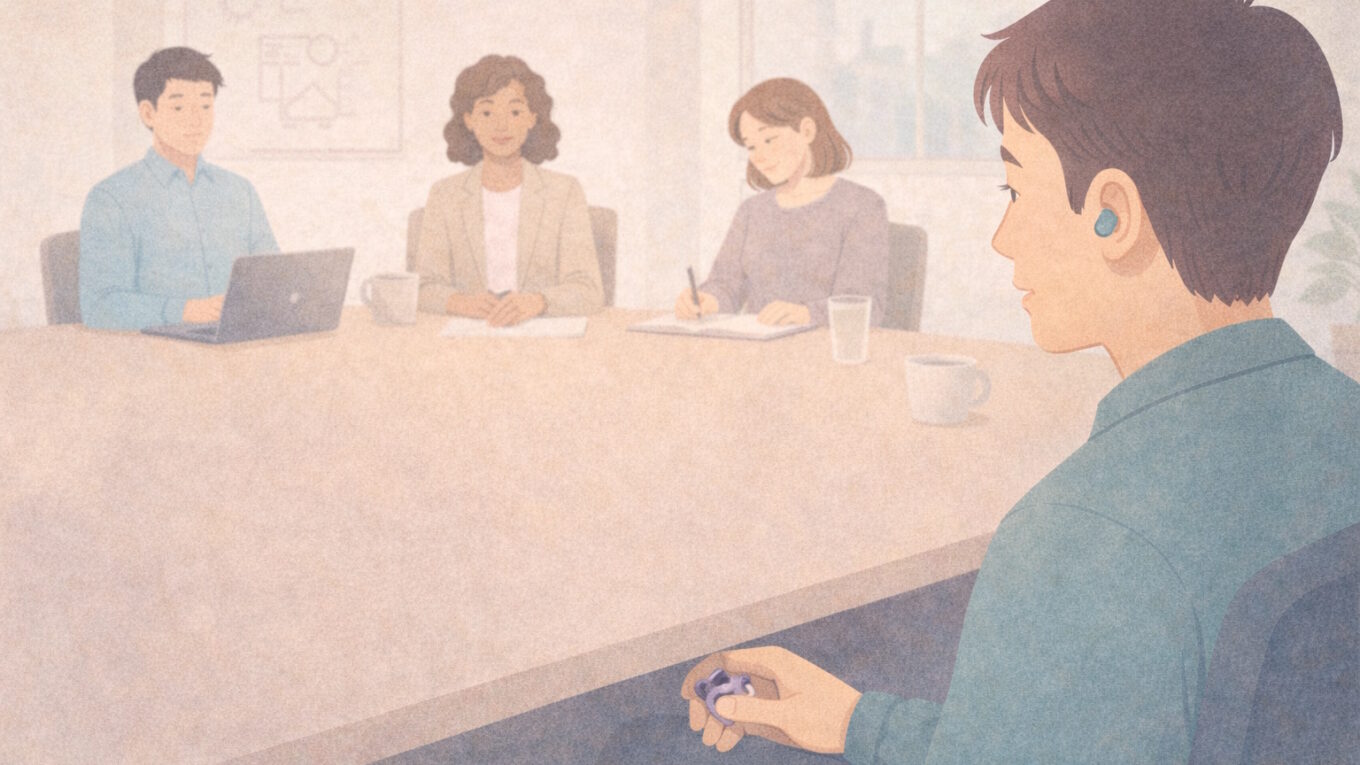
You make it to work or class on time. You show up to meetings. You hit the deadline, even if it is a close call. People say things like “You seem to be coping well” or “You’re so organised.”
And then you get home and quietly fall apart.
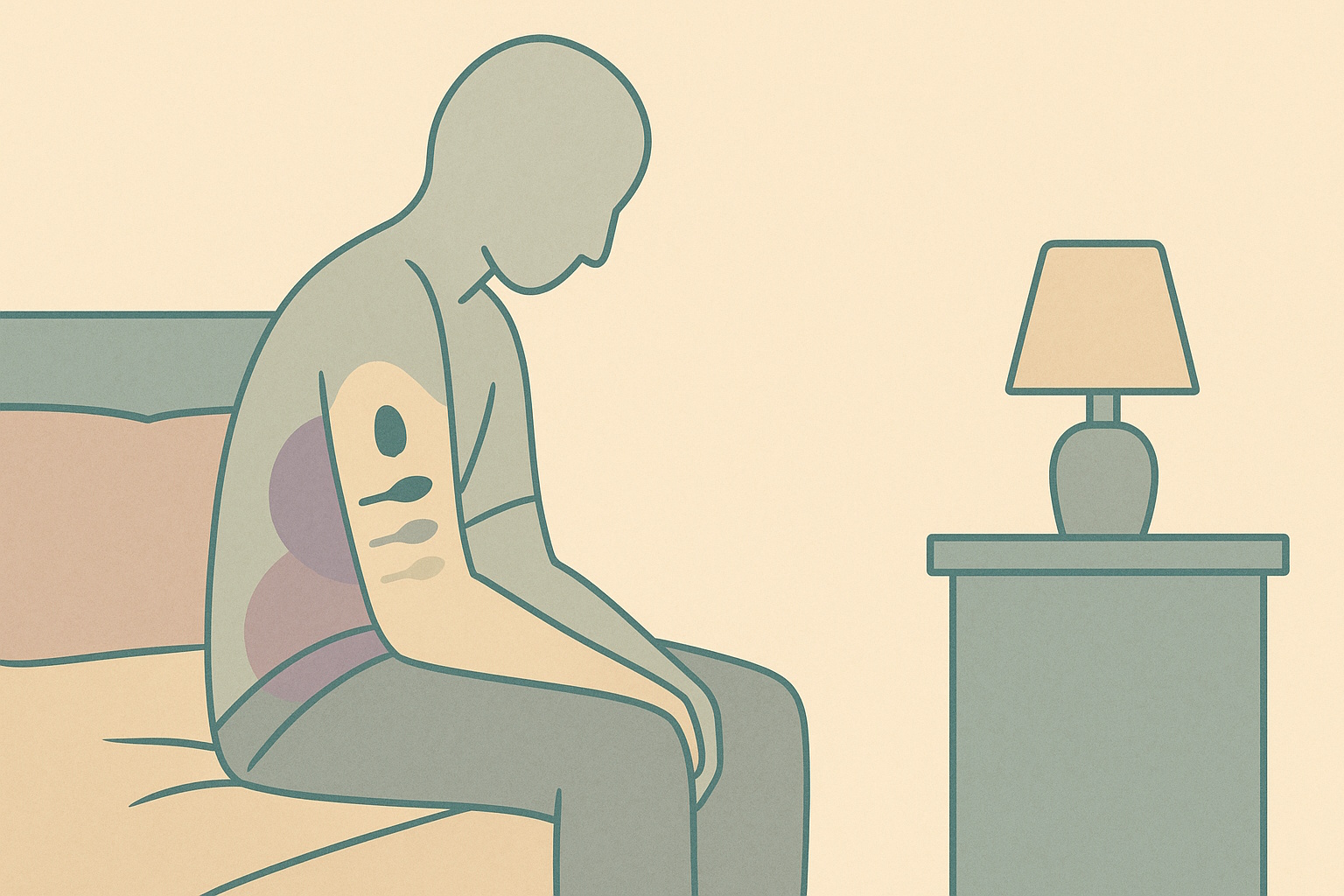
Maybe that looks like lying on the bed scrolling until you can’t keep your eyes open. Maybe it’s crying in the shower and not being sure why, or snapping at people you care about because you feel completely done. Maybe the dishes, laundry and messages pile up because you have nothing left.
From the outside, you look “fine”. On paper, you’re managing. Inside, you’re running on fumes.
I’m Andrew, and I’ve lived a version of that for years. I’ve held down work in higher education, spent nearly a decade as a town councillor, and I’m a Beaver Scout Leader. That has meant a lot of meetings, forms, responsibilities and being “on” in public. For a long time, I thought that because I could do those things, I must be fine. The quiet unravelling afterwards felt like a personal failure.
This site exists because I now know there’s another explanation: being neurodivergent in systems that were not designed for you.
If any part of that pattern feels familiar, you might be “quietly neurodivergent” too.
What I mean by “neurodivergent”
Neurodivergent in plain language
“Neurodivergent” is an umbrella term. It describes people whose brains process the world differently from what society calls “normal”.
That can include, for example:
- autistic people
- ADHD people
- AuDHD people (both autistic and ADHD)
- people with dyslexia, dyspraxia, dyscalculia and other learning differences
- people whose sensory processing, focus, energy levels or social patterns don’t match the usual expectations
It doesn’t say anything about how clever you are, how kind you are, or how successful you are. It just says: your brain does things differently, and that difference is real.
On this site I usually use identity-first language like “autistic person”, “ADHD person” or “neurodivergent person”. If you prefer person-first language (“person with autism”), you are still very welcome here. Your preferences are valid.
Not a diagnosis, not a club with rules
You do not need a formal diagnosis to read this site or to find it useful.
Many people suspect they are autistic or ADHD, are stuck on waiting lists, have been misdiagnosed or dismissed in the past, or don’t have the money, energy or safety to pursue formal assessment right now.
If the language of “neurodivergent” fits your experience and helps you make sense of things, you are welcome here.
At the same time, nothing on this site is a diagnosis. I can’t tell you whether you are or aren’t autistic, ADHD, or anything else. For that, you’d need to talk to a qualified professional. The Disclaimer & boundaries page explains this in more detail.
Why “quietly” – and why it matters
Quiet on the outside, loud on the inside
The “quietly” in Quietly Neurodivergent does not mean “mild” or “not really neurodivergent”.
It points to how things often look from the outside.
For many of us, the hard parts show up as things like shutting down and going silent, cancelling plans at the last minute, freezing when faced with an email or form, or doing the bare minimum at home because work took everything.
There might not be obvious meltdowns in public. You might not stim much where other people can see. You might be the person everyone says is “so calm” or “so reliable”.
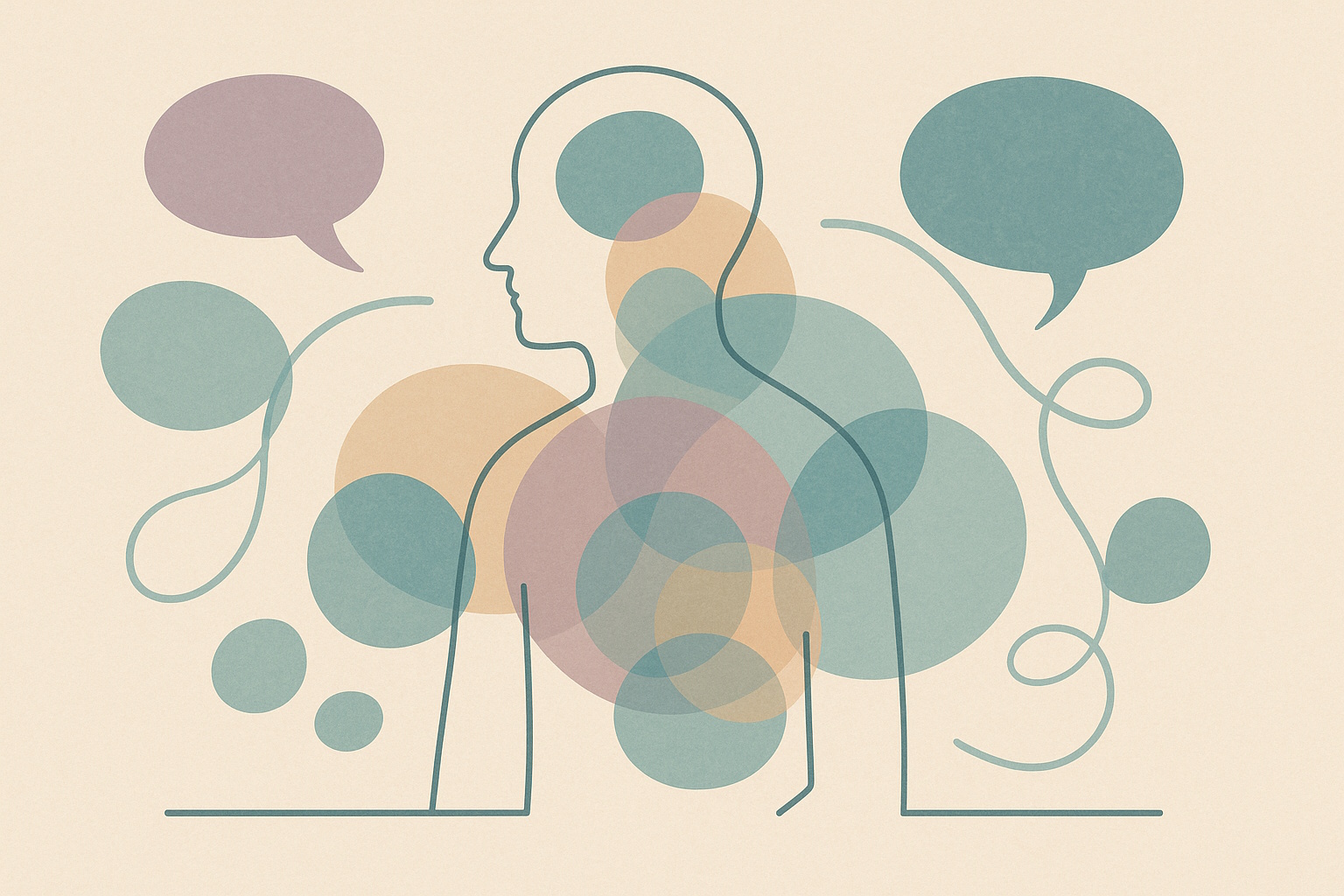
Inside, though, the noise is loud: constant mental replay of conversations, sensory overload from lights, noise or smells, anxiety about tiny mistakes, and exhaustion from holding everything together.
“Quietly” is a reminder that invisible struggles still count.
High masking and the cost of “seeming fine”
Many neurodivergent people learn to mask or camouflage. That can include copying other people’s facial expressions or body language, forcing eye contact or small talk, hiding stims, pretending certain sounds, smells or textures are fine when they’re not, and pushing through pain, fatigue or confusion so you don’t “make a fuss”.
Masking can help you get through unsafe or unsupportive environments. Sometimes it’s the only way to survive.
It also has a cost:
- deeper exhaustion
- burnout and shutdown
- losing track of what you actually like and need
- feeling like people only know a version of you that isn’t quite real
Quietly Neurodivergent is interested in that cost – not to blame you for masking, but to make space to talk about it.
Quietly doesn’t mean “less real”
There is a damaging idea that if you’re working, studying, in a relationship, and paying bills (mostly), then you’re “not really autistic/ADHD” or “not autistic enough to struggle”.
That idea doesn’t belong here.
Whether your difficulties are obvious to other people or mostly invisible, they’re still real. You don’t have to be in crisis to be worthy of support, language or understanding.
Who this site is (and isn’t) for
You might be in the right place if:
- you recognise yourself in “seems fine, actually falling apart later”
- you’re autistic, ADHD or otherwise neurodivergent – diagnosed, self-identified or still working it out
- you’re in school, college, university or work and feel like you’re always one step behind
- you’re tired of advice that assumes unlimited energy, time and confidence
- you want language and ideas that don’t treat you as a broken neurotypical person
You are also welcome if you’re:
- a parent or carer trying to understand a young person in your life
- a partner or friend wanting to be more supportive
- an educator, manager or colleague who genuinely wants to adapt how you do things
This site is not aimed at:
- clinicians or researchers looking for technical detail
- people wanting a diagnosis, medication advice or treatment plans
- anyone seeking crisis support or emergency help
- readers after “10 hacks to become instantly productive” style content
For medical, legal, financial or crisis questions, it’s important to talk to qualified professionals and support services. The Disclaimer & boundaries page goes into this in more detail.
What you’ll find on Quietly Neurodivergent
The kinds of topics
Over time, you can expect posts about things like:
- studying and revising when executive function has left the chat
- navigating email, forms and meetings at work
- burnout, shutdown and the slow crash that happens when you push too hard for too long
- masking, unmasking and the messy in-between
- sensory needs at home, in public and in shared spaces
- asking for (or quietly creating) small accommodations
- low-spoon planning and “good enough” organisation
The aim is always to stay close to real situations: specific emails, specific meetings, specific days where everything feels too much.
How posts are usually structured
Most posts will:
- start with a short introduction and sometimes a “Quick Summary” section
- use clear headings so you can skim to the bit you need
- keep paragraphs fairly short
- use plain language, with any necessary terms explained in everyday words
- include content warnings when topics might be activating or heavy
They sit somewhere between “this is what it’s like” and “here are some things you might try”.
If you want a bit more detail about the site as a whole, the About this site page goes into that.
The tone you can expect
The tone I’m aiming for is calm and honest rather than “motivational poster”. It is curious rather than judgmental, aware of structural barriers (poverty, discrimination, cuts to services) as well as personal strategies, and clear about the limits of what one person’s experience and reading can offer.
You won’t see “just be positive” style advice, shaming language about “laziness”, or pressure to turn yourself into a perfectly productive worker or student.
You may see gentle humour and “oh, that’s very specific” examples. Those are there to make things feel more human, not to minimise how hard it can be.
What you won’t find here
To set expectations clearly:
You will not find:
- miracle cures or “do this and everything will be fine” guides
- inspirational stories of “overcoming” that ignore the ongoing cost
- content that shames people for using or not using medication, therapy or other supports
- rules about the “right” way to be autistic, ADHD or otherwise neurodivergent
You also won’t find:
- diagnosis, treatment plans or medication advice
- legal advice about benefits, employment or immigration
- crisis support or safety planning
Those belong with professionals and services designed for them. This site can sit alongside that support by giving you words, context and examples – but it cannot replace it.
How to use this site on low energy
Skim-friendly by design
You are not expected to read every post in full, in order, with perfect focus.
You can read just the Quick Summary near the top of a post, scroll the headings and pick one section that feels relevant, leave a tab open and come back to it in small pieces over a few days, or stop reading as soon as your brain says “enough”.
This is not homework.
Pick one small thing
If a post gives you one sentence that names something you’ve been feeling, one idea for a tiny adjustment, or even just a sense that “oh, it’s not just me”, that is enough.
You don’t have to implement every suggestion or turn each post into an action plan. Sometimes the most helpful thing is simply having your experience recognised.
You’re allowed to stop
If a topic feels too close to home, or you notice your energy dropping sharply, you are allowed to stop reading.
You can close the tab, switch to something gentler, and come back later, or never. The posts will still be here when and if you want them.
When a website isn’t enough
Quietly Neurodivergent is just that: a website.
It can offer language for things you’ve struggled to describe, give you examples, metaphors and possibilities, and help you feel less alone.
It cannot respond quickly in a crisis, tell you what treatment, medication or legal path is right for you, or replace support from professionals, trusted people in your life, or community.
If you are thinking about harming yourself or someone else, are unsafe at home, work or school, or are facing urgent issues around housing, money or immigration, please reach out to local emergency or crisis services, or to qualified advisors where you live. The Disclaimer & boundaries page has more detail and suggestions for where to start.
If you want to flag an error on the site, suggest a topic, or give accessibility feedback, you can use the Contact page. Just please know that it’s not monitored 24/7.
A quiet invitation
You don’t have to earn your place here. You don’t have to prove you’re “neurodivergent enough”. You don’t have to turn your life into a project.
If you recognise yourself somewhere in “quietly neurodivergent” – looking fine on the outside, running on fumes underneath – this space is for you.
You’re welcome to read one post and leave, bookmark this page and come back when you have more energy, or share a piece with someone in your life and say “this is a bit like me”.
Take what helps. Leave what doesn’t. And, above all, be as kind to yourself as you would be to any other tired, overloaded, quietly neurodivergent person trying to get through the day.
In plain language (one more time)
- “Neurodivergent” means your brain works differently from the usual pattern (for example autistic, ADHD, dyslexic).
- “Quietly” means most people think you’re fine, even when you’re exhausted or overwhelmed.
- This site is a calm place to read about that mix of “seems fine” and “not fine at all”, with practical ideas that don’t expect unlimited energy.
- It can’t give you diagnosis, treatment, legal advice or crisis support – but it might give you words, recognition and small steps that feel possible.

I’m Andrew, the person behind Quietly Neurodivergent. I’m an autistic adult who spent many years trying to pass as “fine” – holding things together at work, showing up to meetings, hitting deadlines – and then unravelling in private. I know what it feels like to look competent on the outside while running on fumes underneath.
By day I work with student data in higher education; by night (and very early mornings) I’m a part-time PhD student thinking about education, inequality and how people move through systems that were never quite built for them. I’ve also spent nearly ten years as a town councillor and I volunteer as a Beaver Scout Leader, which means I’ve had a lot of practice navigating meetings, forms, responsibilities and sensory/social overload at the same time. That mix of lived experience, community work and research shapes how I write here: practical, plain-English pieces that sit somewhere between “this is what it’s like” and “here are some things you could try”.
I’m not a clinician and I don’t offer diagnosis, therapy or miracle fixes. What I can offer are honest accounts of what has and hasn’t helped me with study, work and everyday life, alongside small, realistic tools you can adapt for yourself. If you recognise yourself in the phrase “quietly neurodivergent”, this site is for you.