Tag: sensory overload

Neurodivergent adult in headphones standing in a bright supermarket aisle, quietly managing sensory overload.

Supermarkets, High Streets and Quiet Exits: Coping With Sensory Overload in Everyday Places

For many neurodivergent people, “just popping to the shop” isn’t simple at all. This piece unpacks why supermarkets and high streets are so draining, and offers practical ways to lower the sensory load — plus gentle scripts for explaining it to partners, family and housemates.

Read More


Illustration of a person overwhelmed at their desk, surrounded by screens and flying email icons showing huge unread counts.

Taming Email and Messages When Your Neurodivergent Brain Is Already Full

Email and messages are meant to keep us connected, but for many neurodivergent people they mostly arrive as a steady stream of demands and tiny emergencies. This piece looks at why inbox overload is so common, and offers small, realistic ways to use quiet hours, simple triage, templates and clearer expectations so email feels a little less hostile to your already-full brain.

Read More
Supporting Quietly Neurodivergent Child

Supporting a Quietly Neurodivergent Child Without Pushing Them Past Breaking Point

Some children look like “no problem” at school and then fall apart at home. If your child seems to cope all day and then crashes in the evening, you may not be doing anything wrong at all. This article looks at quietly neurodivergent children who mask through the school day, then melt down or shut down where it finally feels safe. It offers gentle ideas for decompression time, homework, clubs and talking to school, and explains why “rudeness” is often overload, not bad character.

Read More
Being a Good Colleague

Being a Good Colleague to Someone Who’s Quietly Neurodivergent

You might have a colleague who is bright and reliable but often quiet, hard to read or exhausted after busy days. Maybe they’ve told you they are autistic or ADHD, or maybe you just have a sense that the world takes more effort for them. This guide offers practical, plain-English ways to be a good colleague: clearer emails, reasonable notice, respecting headphone time, avoiding minimising jokes and gossip, and remembering you don’t have to fix them to make work a little kinder.

Read More
Quietly Neurodivergent Fidget Tools

Small Fidgets and Comfort Objects for Neurodivergent Brains in Meetings

If you fidget constantly in meetings and worry it looks unprofessional, you’re not alone. For many autistic and ADHD people, small, quiet fidgets and discreet earplugs are genuine focus tools, not bad habits. This article looks at why they help, how to choose subtle options that work in your environment, and what to say if someone asks, “Are you paying attention?”

Read More
Neurodivergent Meetings

Surviving Meetings When Your Brain Is Already Full

Meetings can look like “where the real work happens” from the outside and like sensory and cognitive overload from the inside. This article explores why meetings are so tiring for autistic and ADHD people, shares how I cope with agendas, notes, quiet fidgets and reset time, and offers small, realistic tweaks that can make your next meeting a little less overwhelming.

Read More
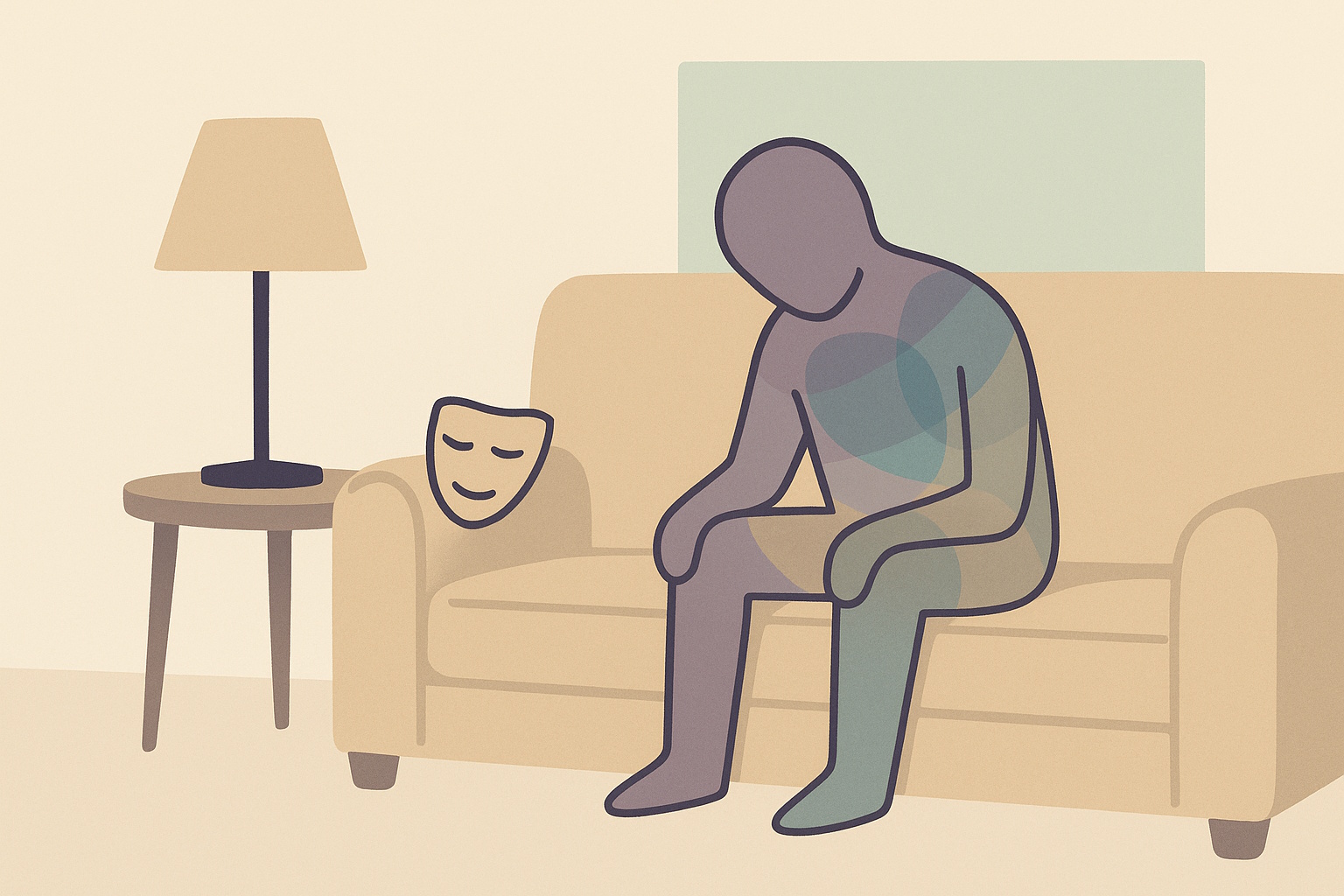
Masking Neurodiversity

Masking, Burnout, and Quietly Falling Apart When You Get Home

From the outside you might look calm and capable; at home you’re collapsing on the sofa, forgetting to eat and avoiding people. This article explores how long-term masking can feed into autistic burnout, what “quietly falling apart” can look like in everyday life, and offers small, realistic ways to unmask safely and protect your limited energy.

Read More
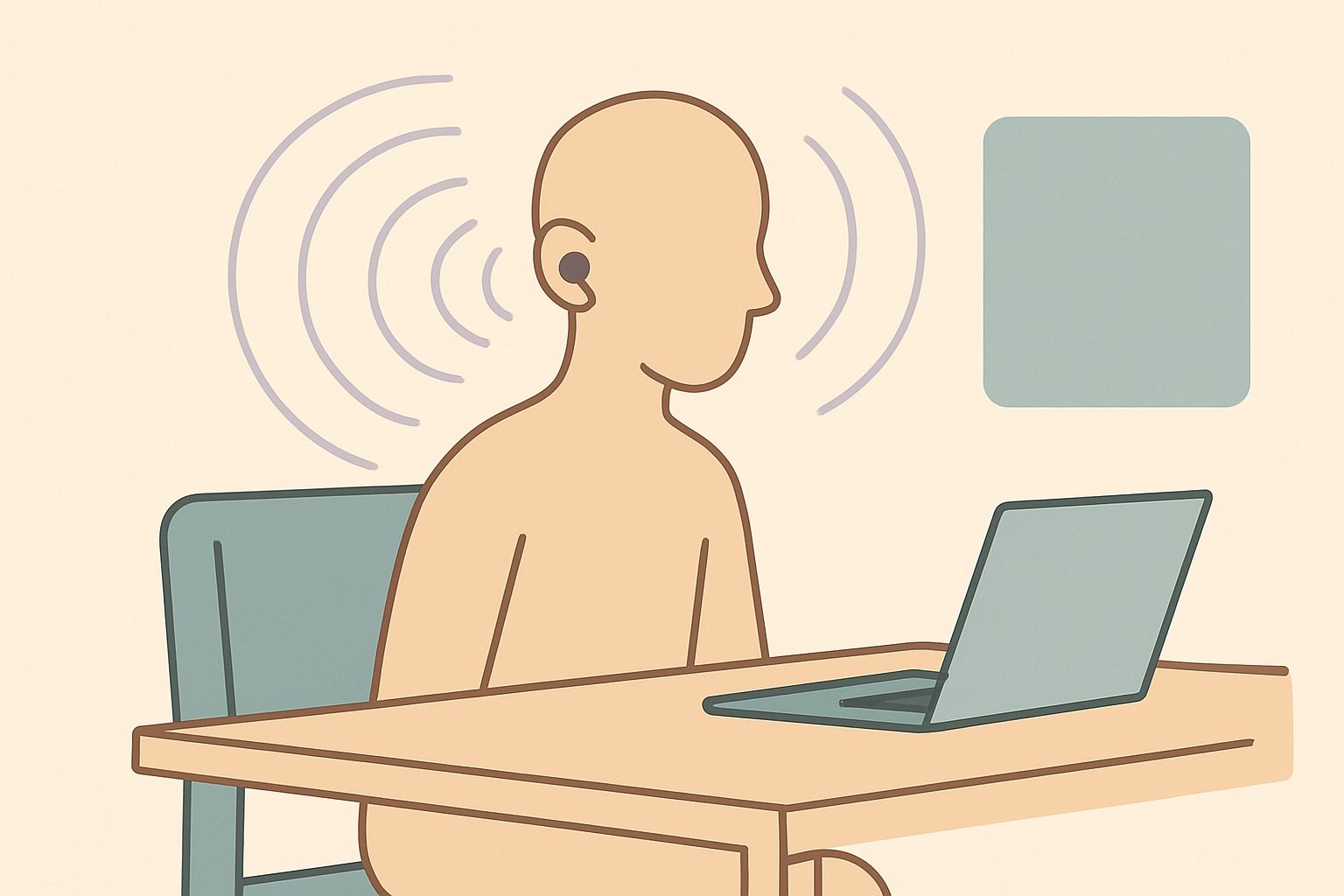
Ear Protection for Neurodiverse Individuals

Ear Protection for Neurodivergent Brains: When Sound Is Too Much and What You Can Do

Background noise doesn’t have to be painful to be exhausting. In this article I share how I use noise-reducing ear plugs and earbuds as an autistic adult in open-plan offices, at Beavers and in everyday life, and offer practical, safety-aware ideas you can adapt to find what works for your own sensory system.

Read More
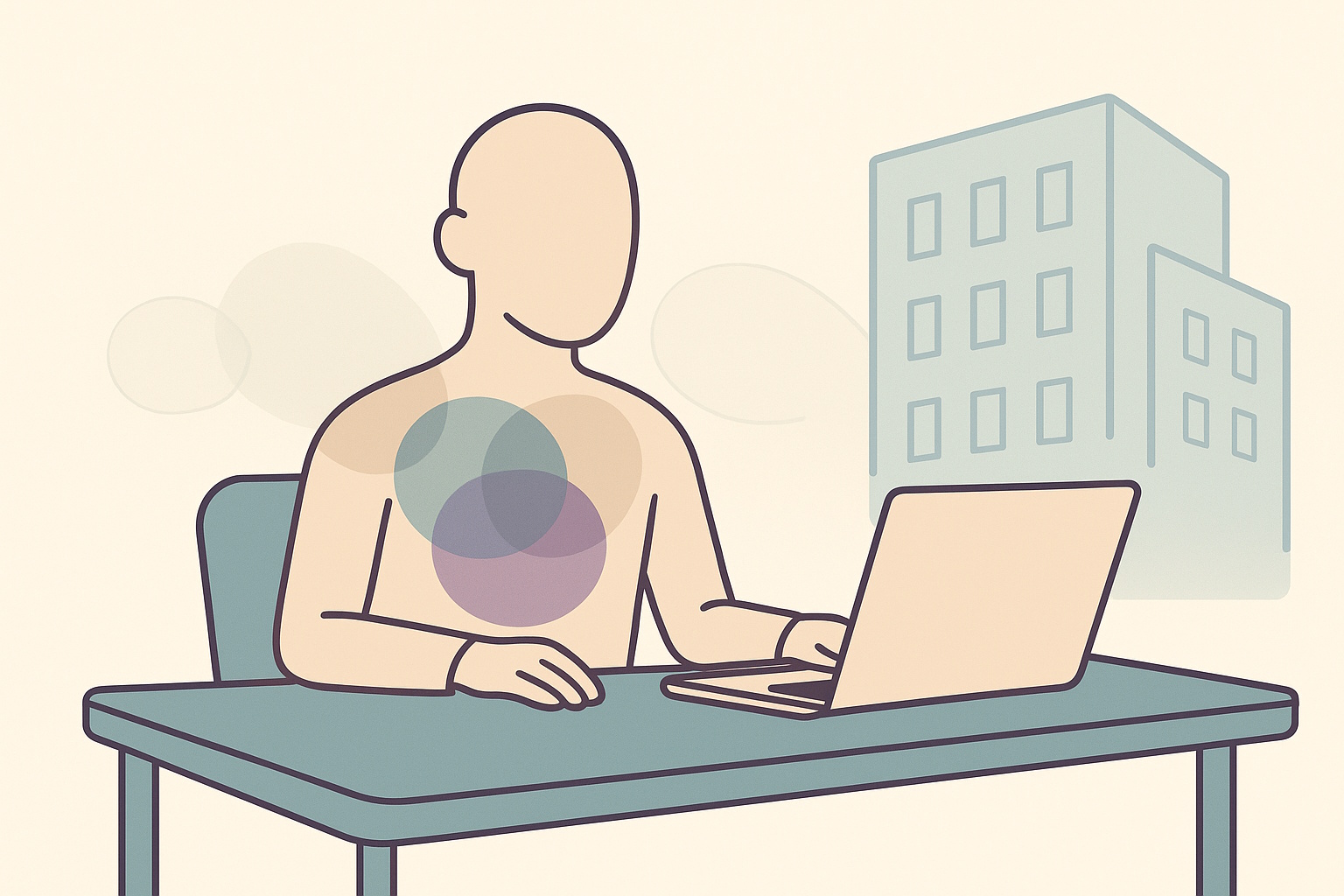
Passing as "fine" at work

Passing as “Fine” at Work (When You’re Quietly Falling Apart)

Many neurodivergent people look calm and capable at work while quietly falling apart afterwards. This article names that pattern of “passing as fine”, explores why autistic and ADHD adults so often do it, and offers small, realistic ways to make work 5–10% kinder to your brain.

Read More