Tag: autism

Quietly Neurodivergent Fidget Tools

Small Fidgets and Comfort Objects for Neurodivergent Brains in Meetings

If you fidget constantly in meetings and worry it looks unprofessional, you’re not alone. For many autistic and ADHD people, small, quiet fidgets and discreet earplugs are genuine focus tools, not bad habits. This article looks at why they help, how to choose subtle options that work in your environment, and what to say if someone asks, “Are you paying attention?”

Read More
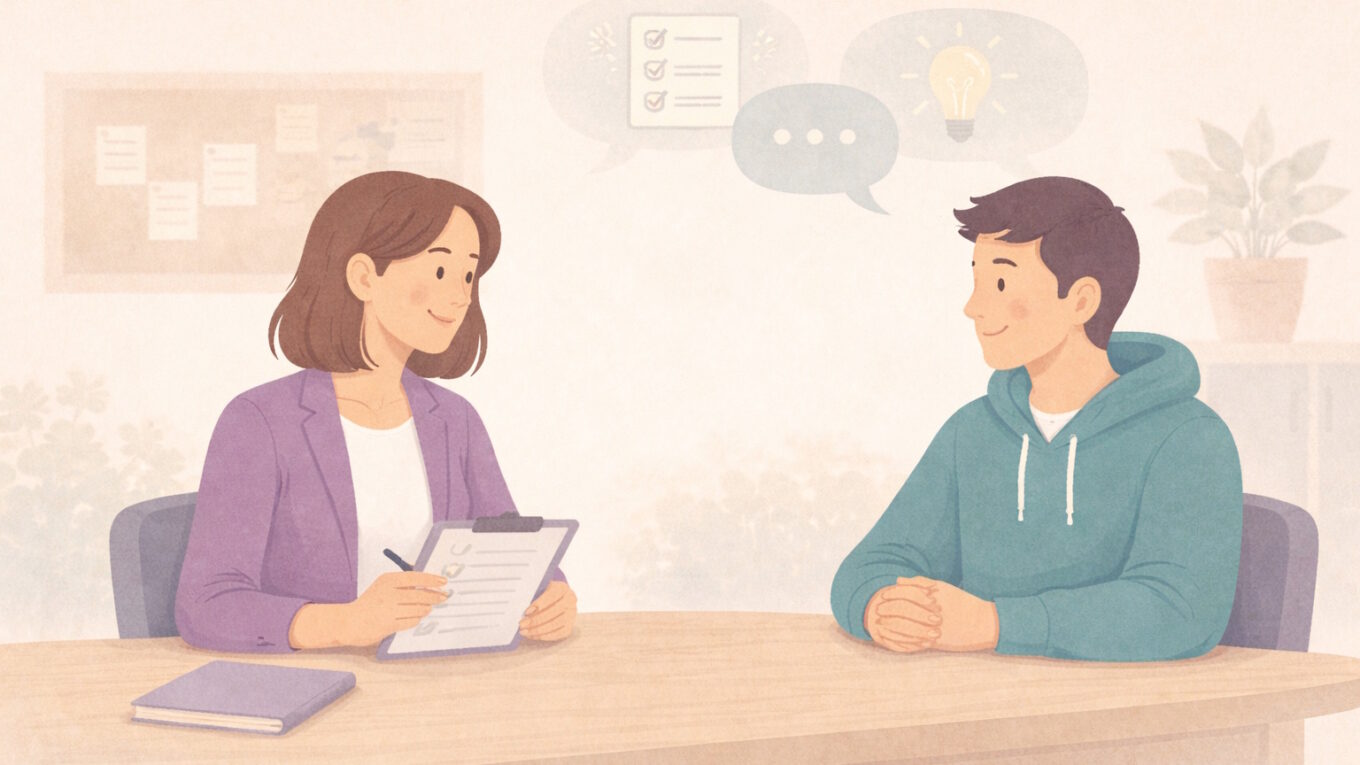
Neurodiversity Practical Guide for Managers

How to Support a Quietly Neurodivergent Employee: A Practical Guide for Managers

Many managers want to support neurodivergent staff but quietly worry about getting it wrong. This article explains what “quietly neurodivergent” can look like at work, why masking and exhaustion are so common, and how clear expectations, written follow-up and small adjustments can make a big difference. It’s written in plain English so a neurodivergent person can share it with their line manager and say, “This is quite close to my experience.”

Read More
Phone Video Calls Neurodivergent

Phones, Video Calls and Real-Time Panic: A Neurodivergent Guide

Many autistic and ADHD people don’t just “dislike” phone and video calls – they find them genuinely exhausting. Real-time processing, unspoken social cues and the pressure to respond quickly can leave you anxious before the call and wiped out afterwards. This article explores why calls are so hard, why preferring text, IM or email is a valid access need, and offers gentle scripts and small strategies for coping when calls are unavoidable and for asking for alternatives when that’s possible.

Read More
Unfounded Overdiagnosis Concerns

Thinking About an Autism or ADHD Assessment When the World Is Shouting About “Overdiagnosis”

Headlines about “overdiagnosis” and people gaming the system can make it harder to take your own struggles seriously. This article offers a quiet counterpoint: why many of us seek autism or ADHD assessment for clarity, self-understanding and fair support rather than money, how minimising phrases like “we’re all on the spectrum somewhere” miss the point, and why you’re allowed to ask questions about your own brain even in a hostile political climate.

Read More
Guilt Free Saying No

Social Invitations, Guilt and Saying No Without Burning Bridges

Around Christmas, New Year and other busy seasons, social invitations can pile up fast. For many autistic and ADHD people, every event carries hidden costs in energy, masking and recovery time. This article explores why invitations can feel so heavy, how to get honest about your social capacity, and offers gentle scripts for saying no – or “yes, but differently” – without burning your relationships or yourself out.

Read More
Vague Descriptions at Work

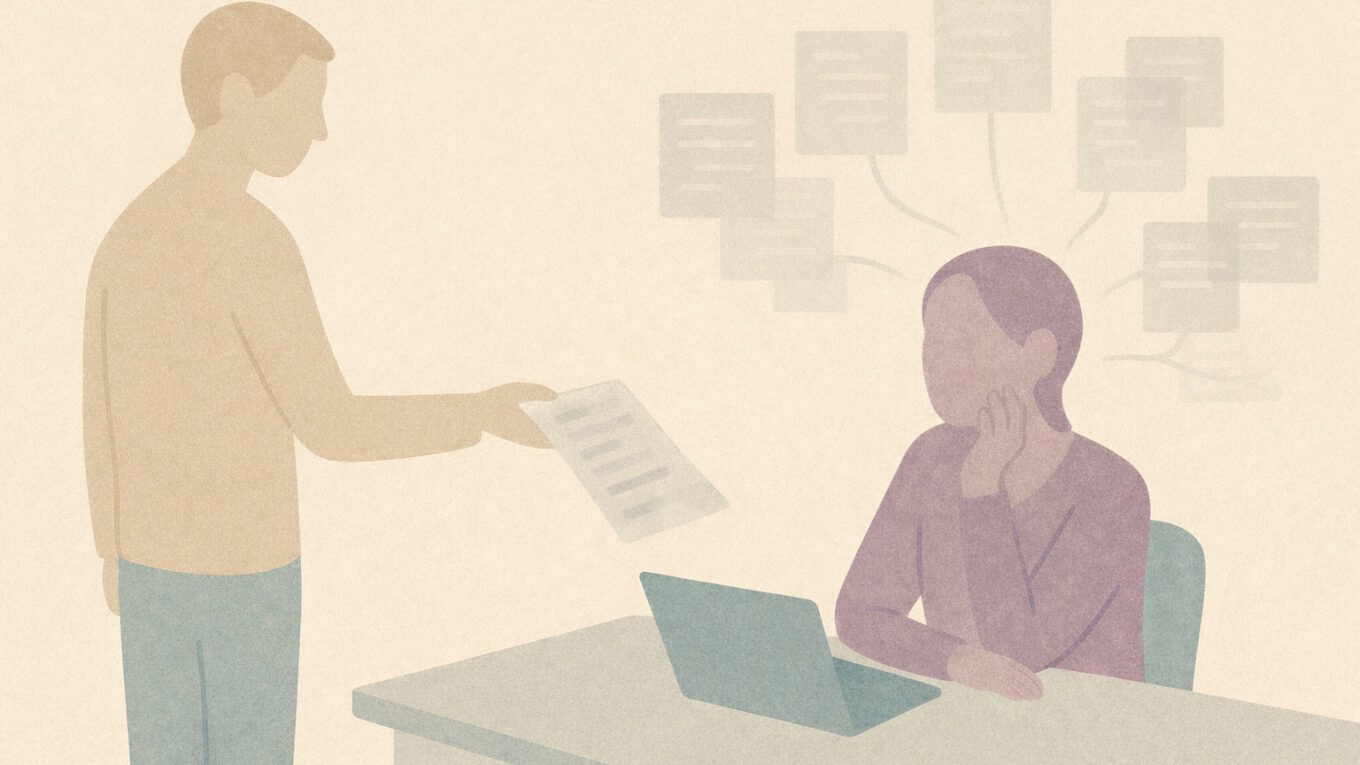
Vague Instructions Are an Access Issue

“Can you just pull something together?” can feel like a small request, but for many autistic and ADHD people it creates a huge amount of hidden work. This article looks at why vague instructions are an access issue, how our brains juggle multiple interpretations at once, and offers simple, kind scripts and questions to get clearer outcomes, deadlines and formats without feeling difficult.

Read More
Writing Neurodiversity Statement

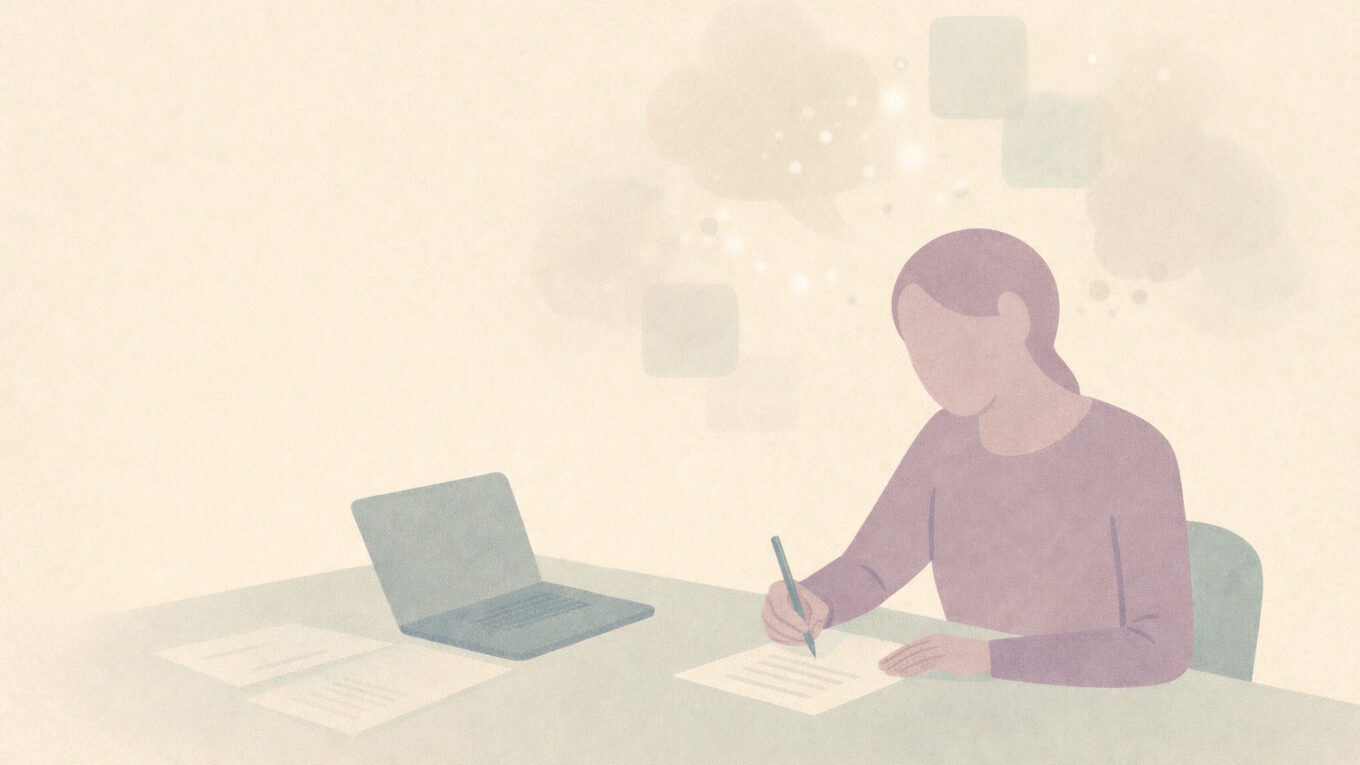
How I Explain How I Work: Writing a Neurodiversity Statement

Knowing you’re neurodivergent is one thing; explaining it to managers, tutors or coordinators is another. This article walks through how to write a short “how I work” neurodiversity statement, using a simple structure, example sentences based on my own statement, and ideas for adapting it to work, study and volunteering while still protecting your privacy.

Read More
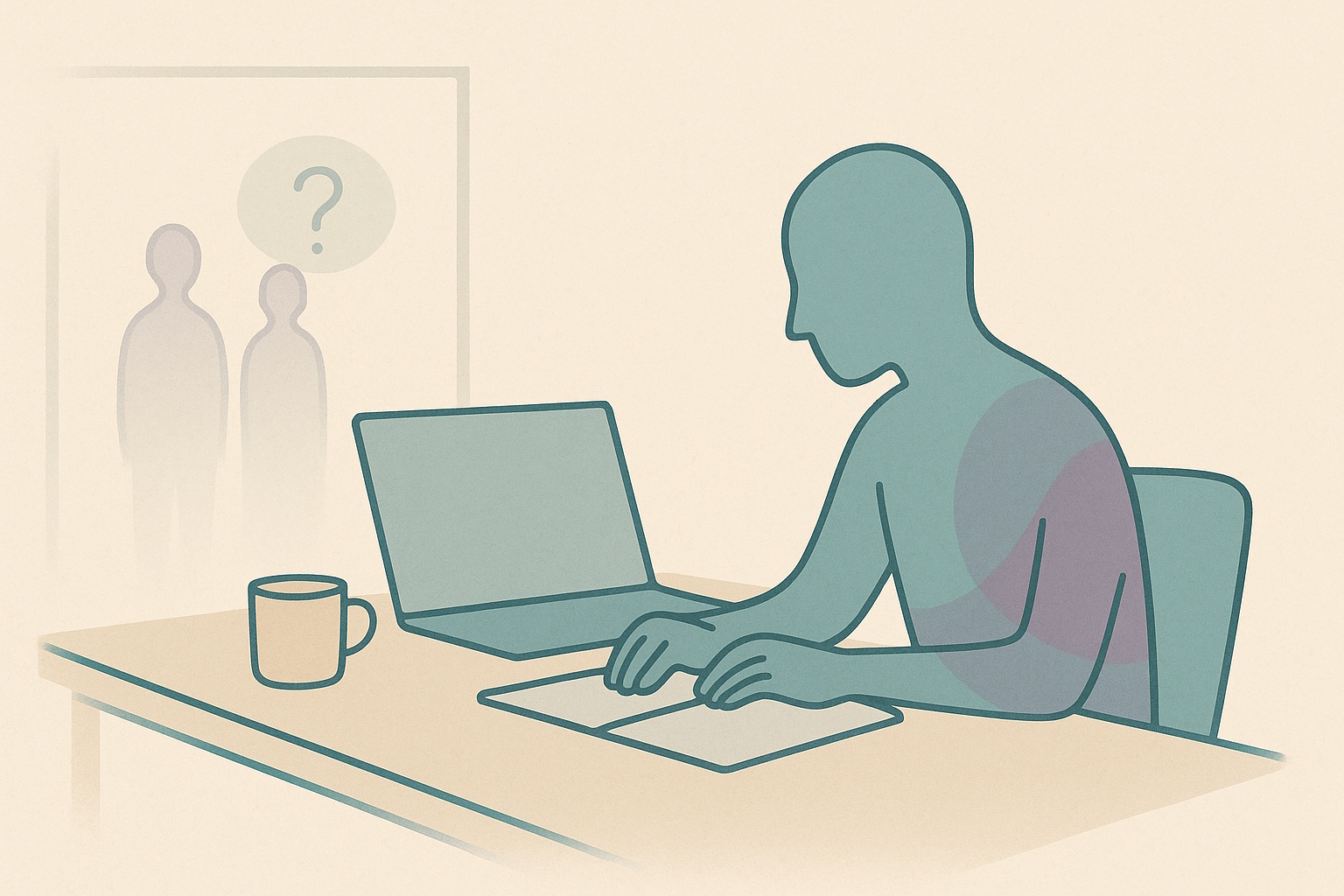
Neurodivergent Meetings

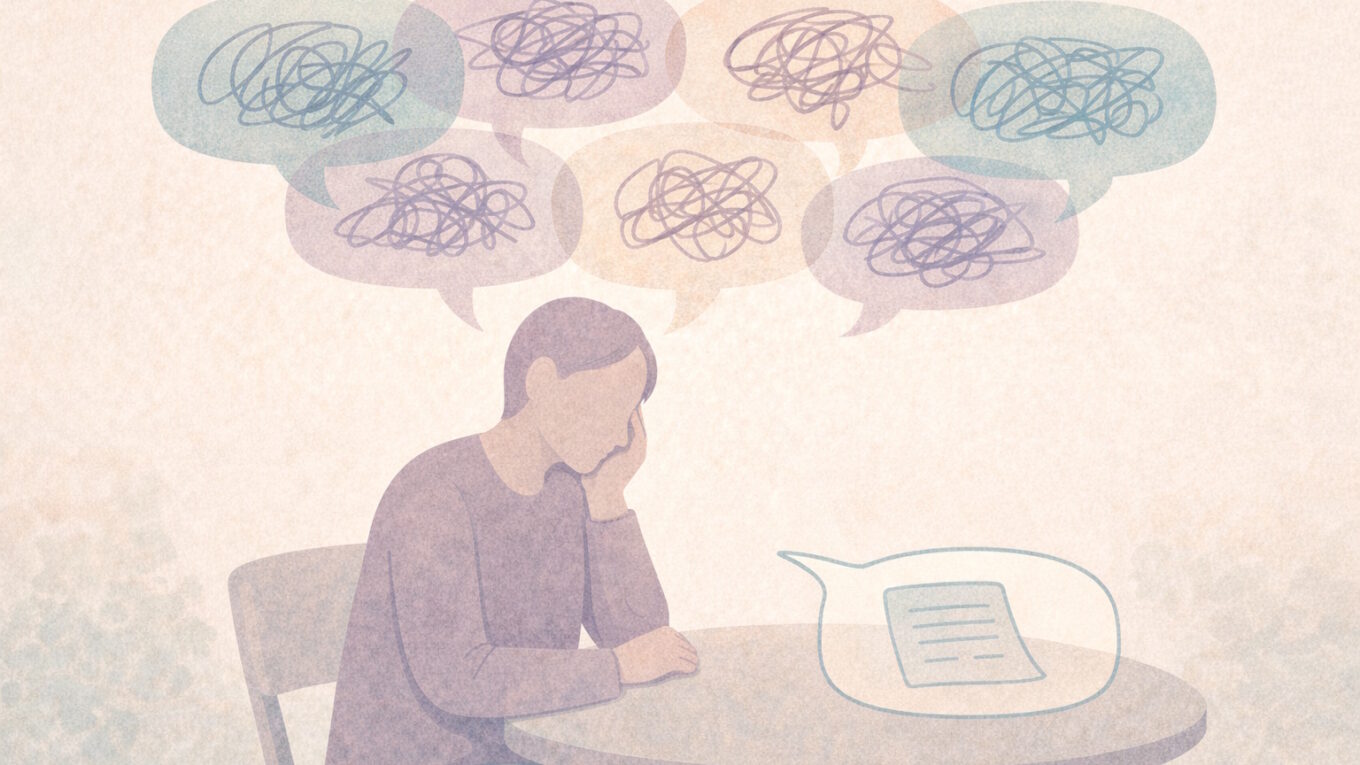
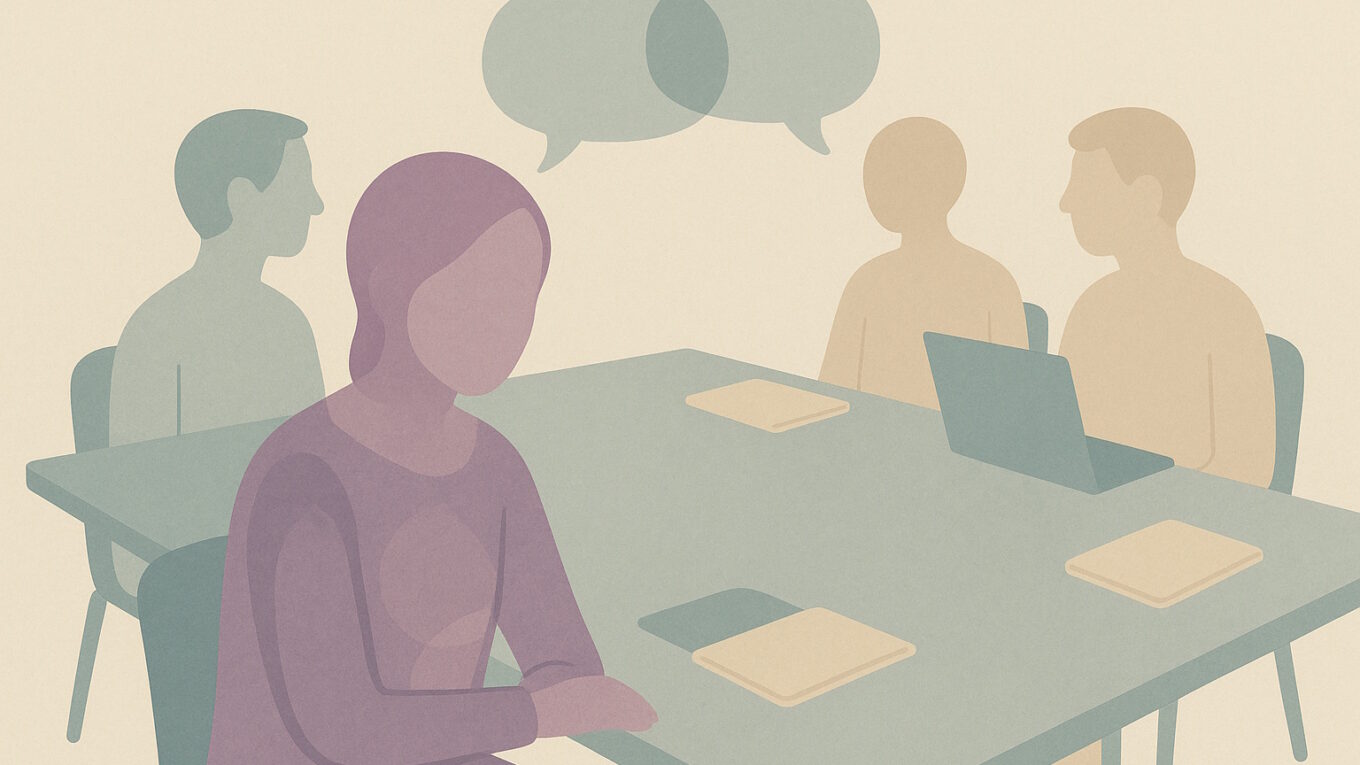
Surviving Meetings When Your Brain Is Already Full

Meetings can look like “where the real work happens” from the outside and like sensory and cognitive overload from the inside. This article explores why meetings are so tiring for autistic and ADHD people, shares how I cope with agendas, notes, quiet fidgets and reset time, and offers small, realistic tweaks that can make your next meeting a little less overwhelming.

Read More
Go Quiet and Deliver

When Your Default Is “Go Quiet and Deliver”

Many autistic and ADHD people naturally “go quiet and deliver”: we disappear into the work and only update when there’s something concrete to show. This article explores why that happens, how it can worry managers who can’t see what’s going on, and offers tiny, realistic ways to agree check-ins and send short updates without turning into someone who lives in email.

Read More
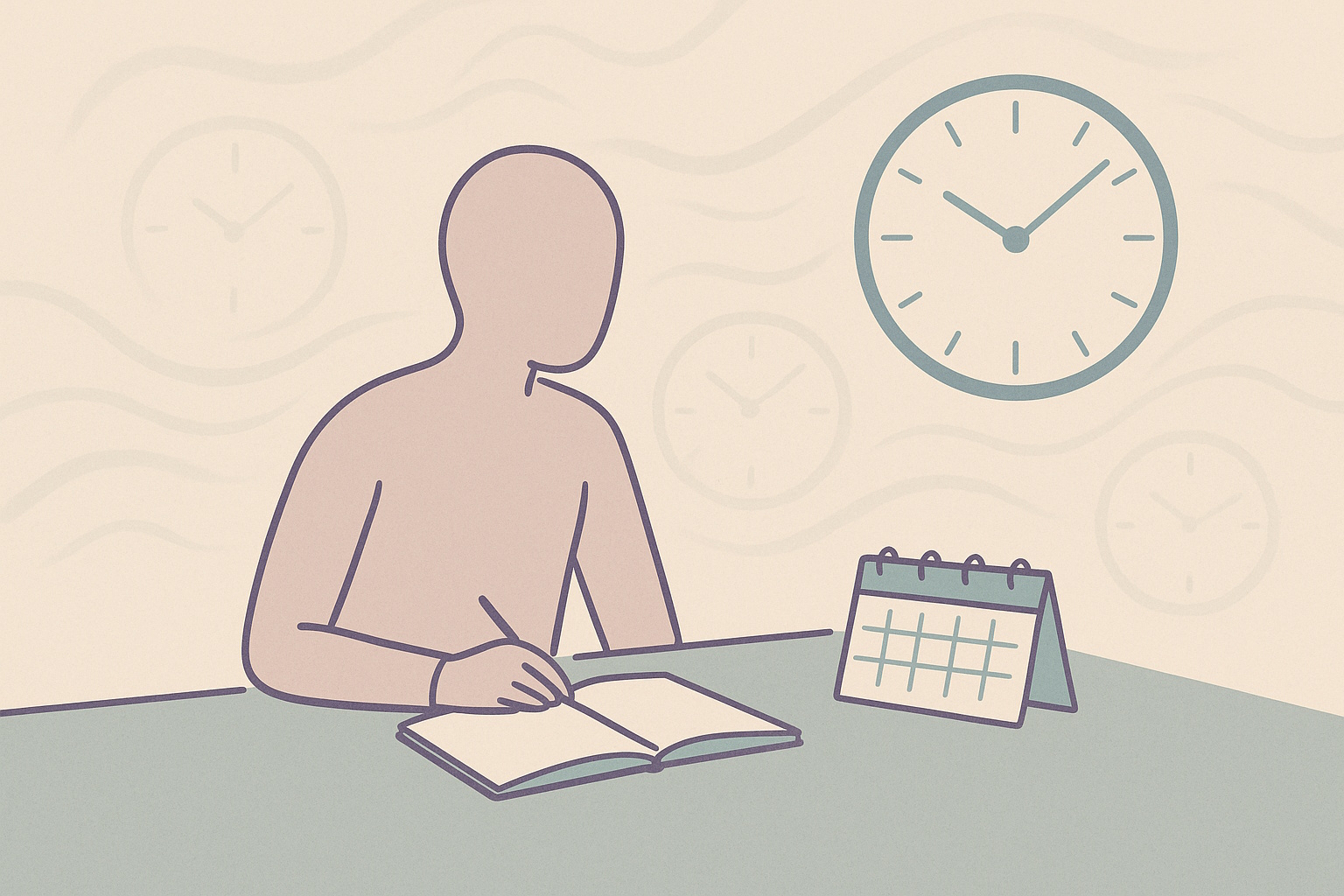
Neurodivergent Time Blindness

Planning With Time Blindness: A Neurodivergent Guide

Time blindness isn’t about not caring; it’s about time feeling slippery, even when you want to be organised. In this article I share how planning actually works for me as an autistic adult juggling work, part-time PhD study, family life and volunteering, and offer small, realistic tools to make deadlines, projects and weekday mornings a little less chaotic.

Read More