Tag: autism

Guilt Free Saying No

Social Invitations, Guilt and Saying No Without Burning Bridges

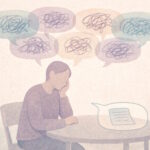
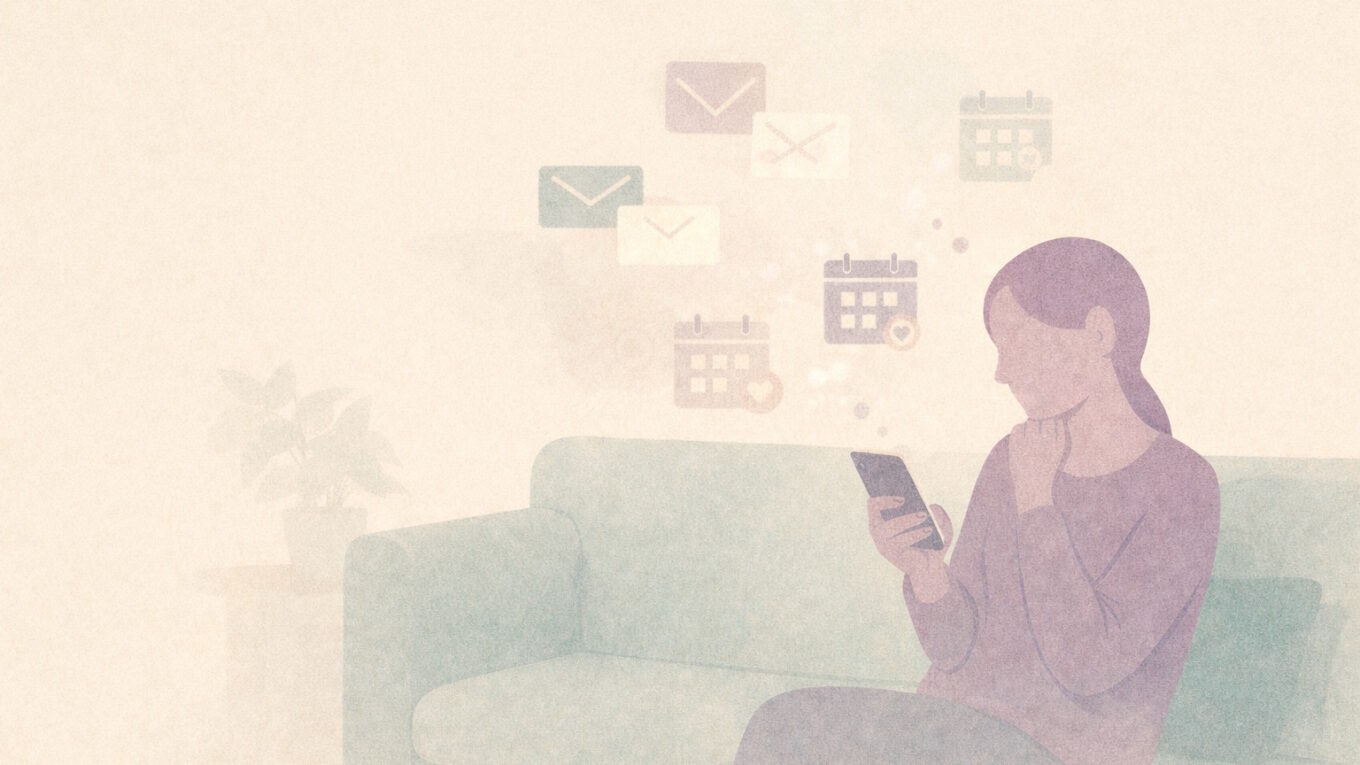
Around Christmas, New Year and other busy seasons, social invitations can pile up fast. For many autistic and ADHD people, every event carries hidden costs in energy, masking and recovery time. This article explores why invitations can feel so heavy, how to get honest about your social capacity, and offers gentle scripts for saying no – or “yes, but differently” – without burning your relationships or yourself out.

Read More
Vague Descriptions at Work

Vague Instructions Are an Access Issue

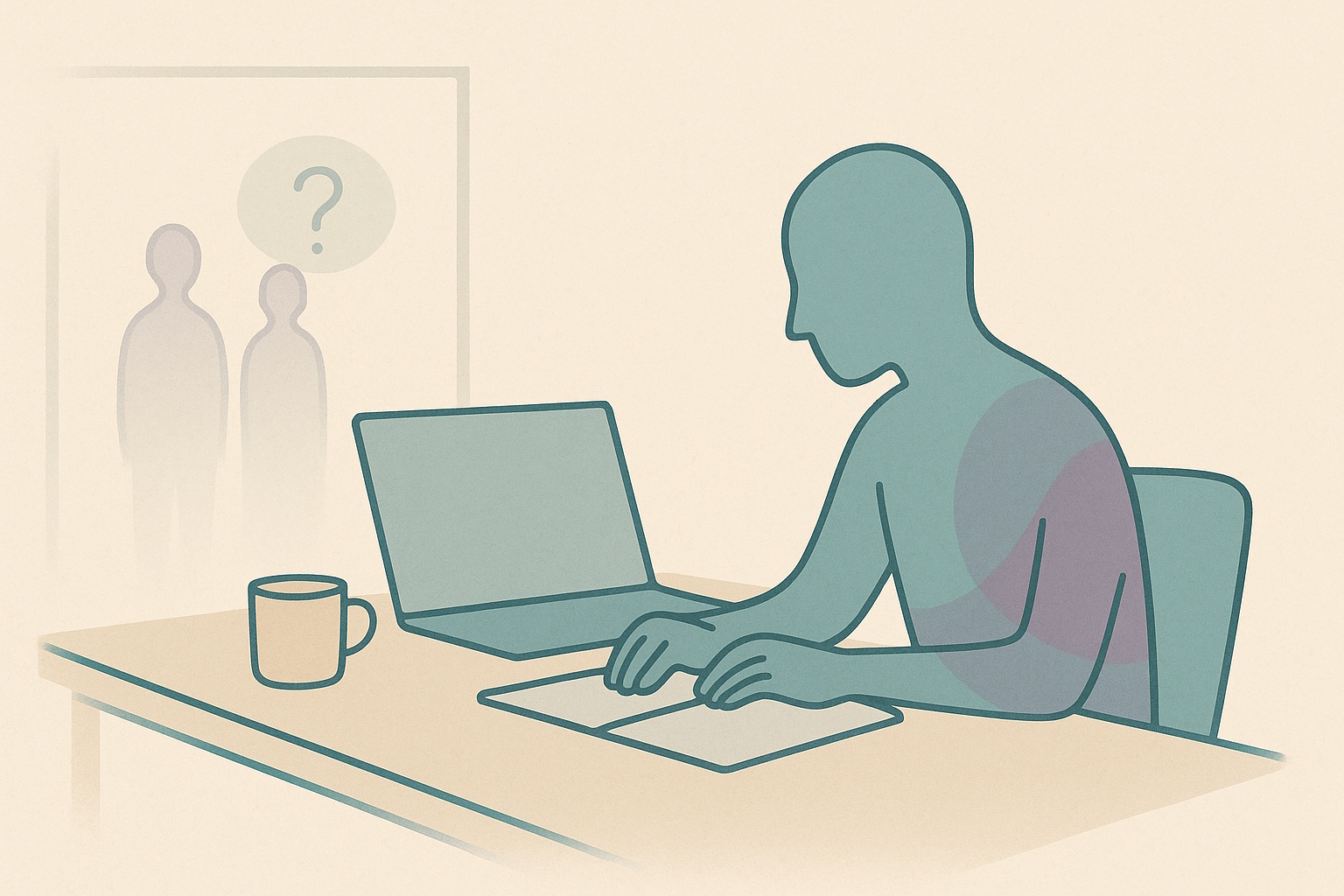
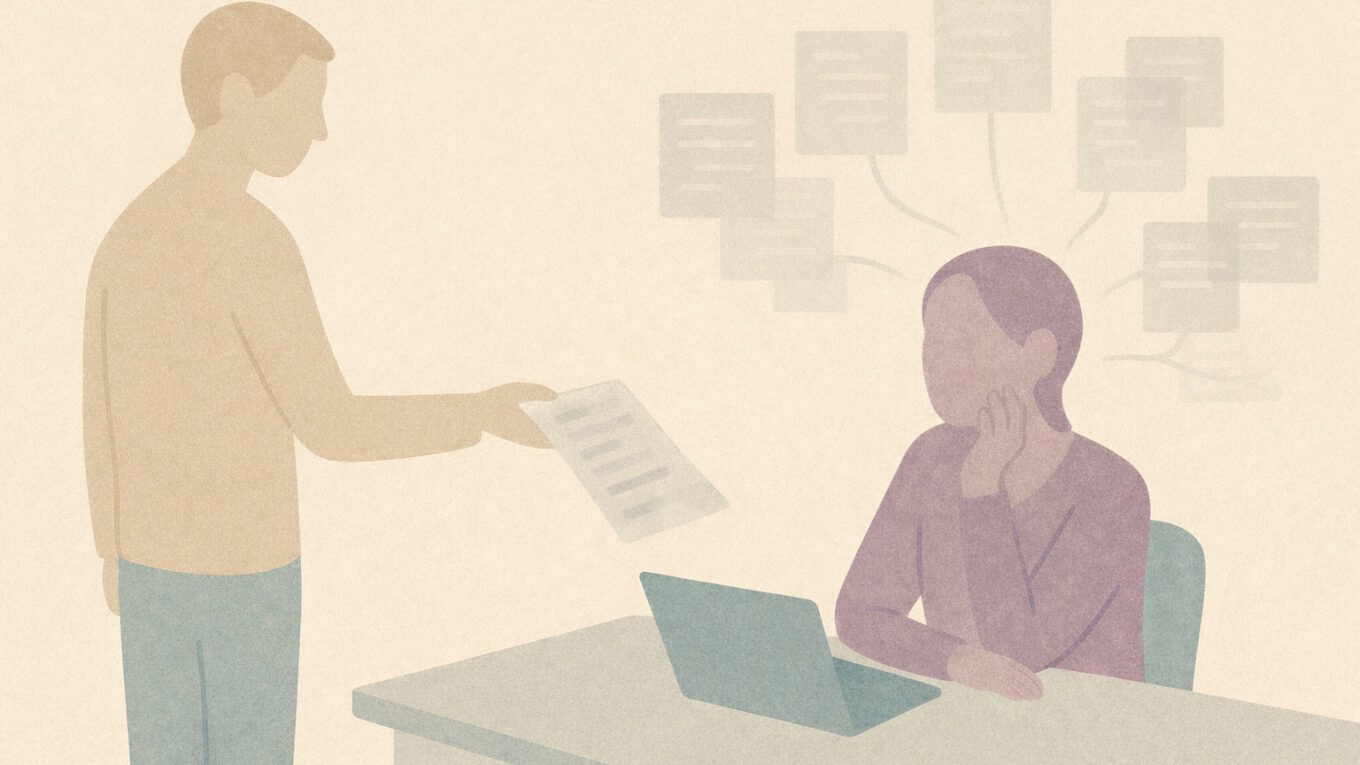
“Can you just pull something together?” can feel like a small request, but for many autistic and ADHD people it creates a huge amount of hidden work. This article looks at why vague instructions are an access issue, how our brains juggle multiple interpretations at once, and offers simple, kind scripts and questions to get clearer outcomes, deadlines and formats without feeling difficult.

Read More
Writing Neurodiversity Statement

How I Explain How I Work: Writing a Neurodiversity Statement

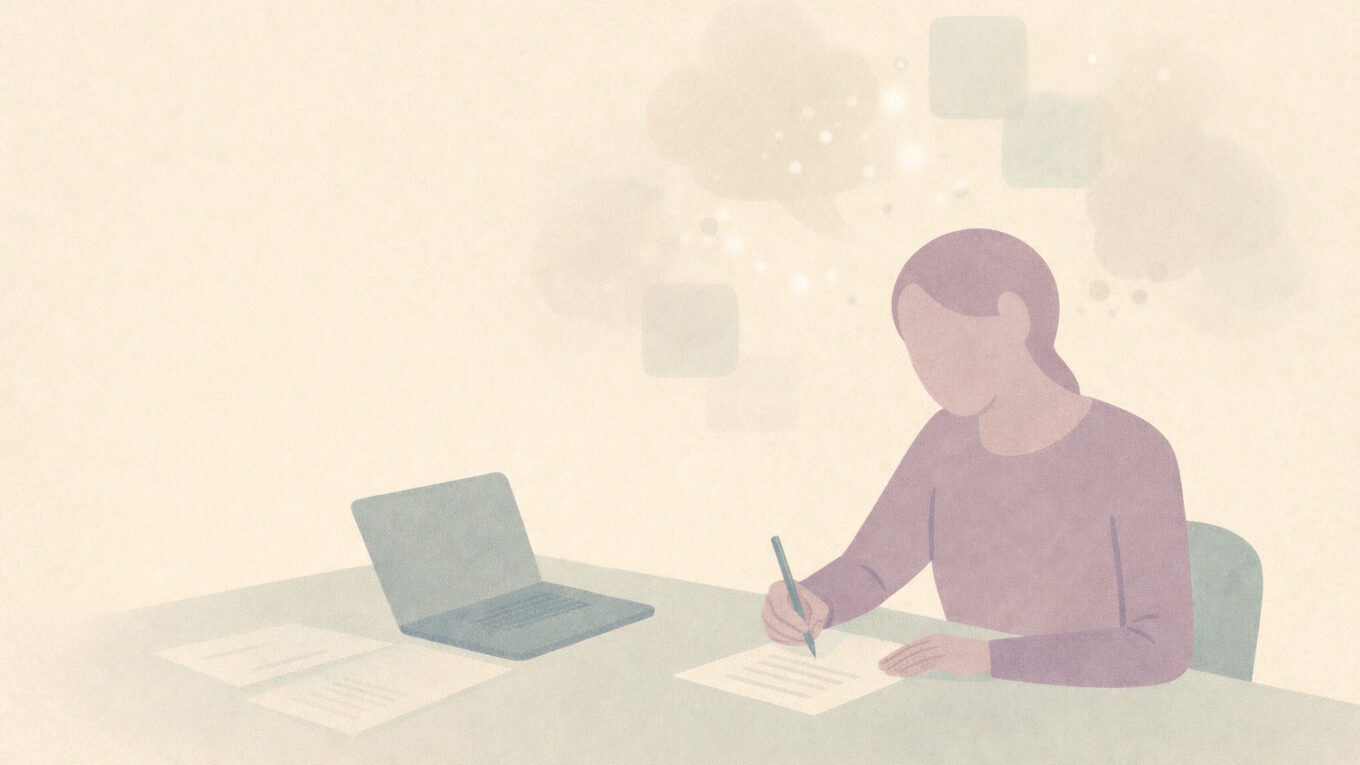
Knowing you’re neurodivergent is one thing; explaining it to managers, tutors or coordinators is another. This article walks through how to write a short “how I work” neurodiversity statement, using a simple structure, example sentences based on my own statement, and ideas for adapting it to work, study and volunteering while still protecting your privacy.

Read More
Neurodivergent Meetings

Surviving Meetings When Your Brain Is Already Full

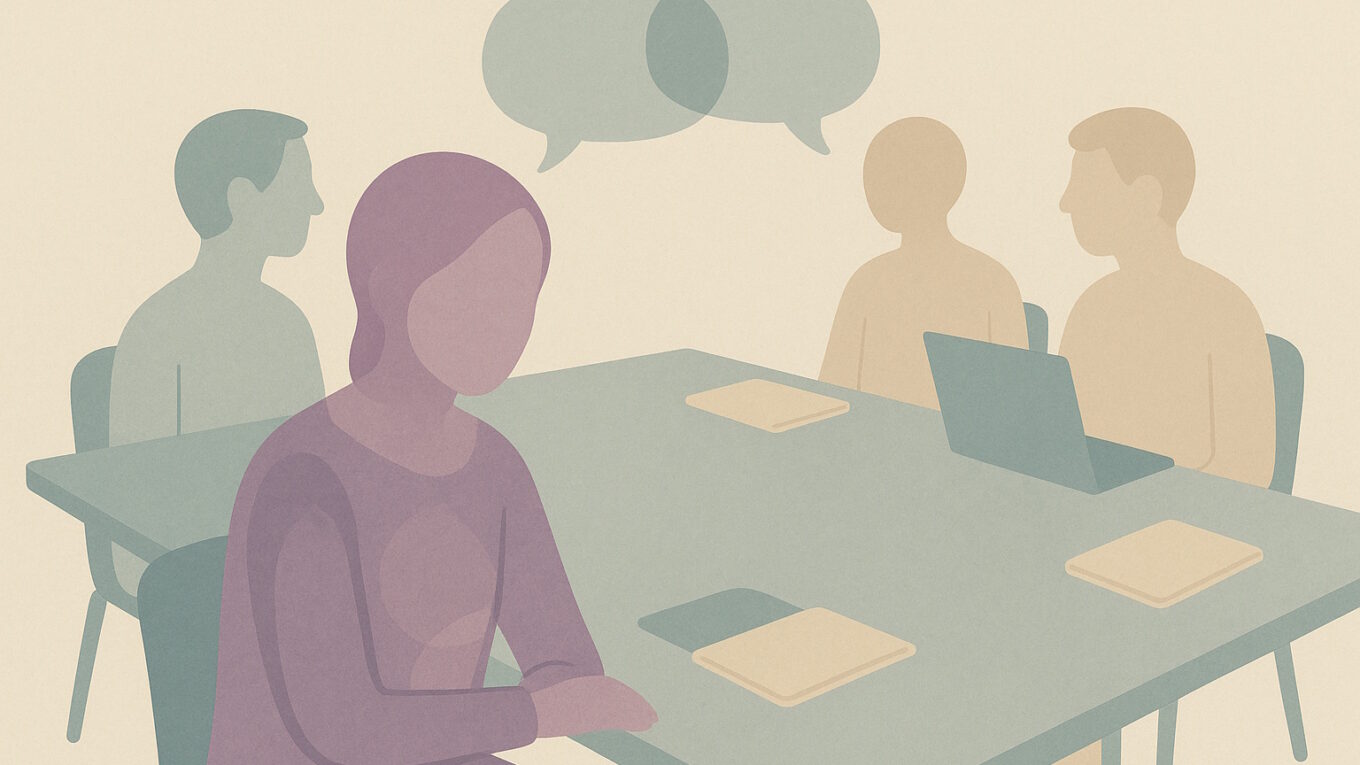
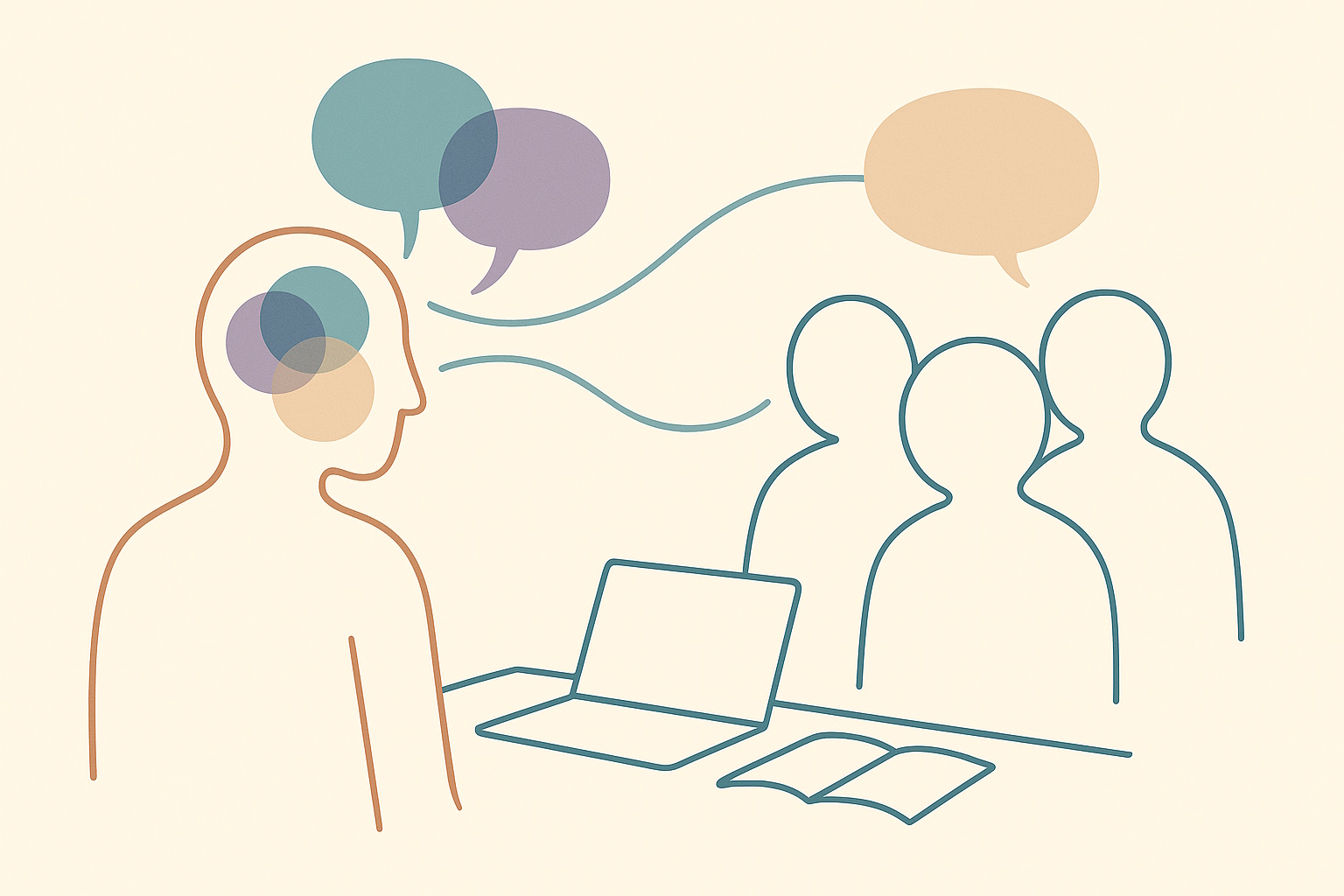
Meetings can look like “where the real work happens” from the outside and like sensory and cognitive overload from the inside. This article explores why meetings are so tiring for autistic and ADHD people, shares how I cope with agendas, notes, quiet fidgets and reset time, and offers small, realistic tweaks that can make your next meeting a little less overwhelming.

Read More
Go Quiet and Deliver

When Your Default Is “Go Quiet and Deliver”

Many autistic and ADHD people naturally “go quiet and deliver”: we disappear into the work and only update when there’s something concrete to show. This article explores why that happens, how it can worry managers who can’t see what’s going on, and offers tiny, realistic ways to agree check-ins and send short updates without turning into someone who lives in email.

Read More
Neurodivergent Time Blindness

Planning With Time Blindness: A Neurodivergent Guide

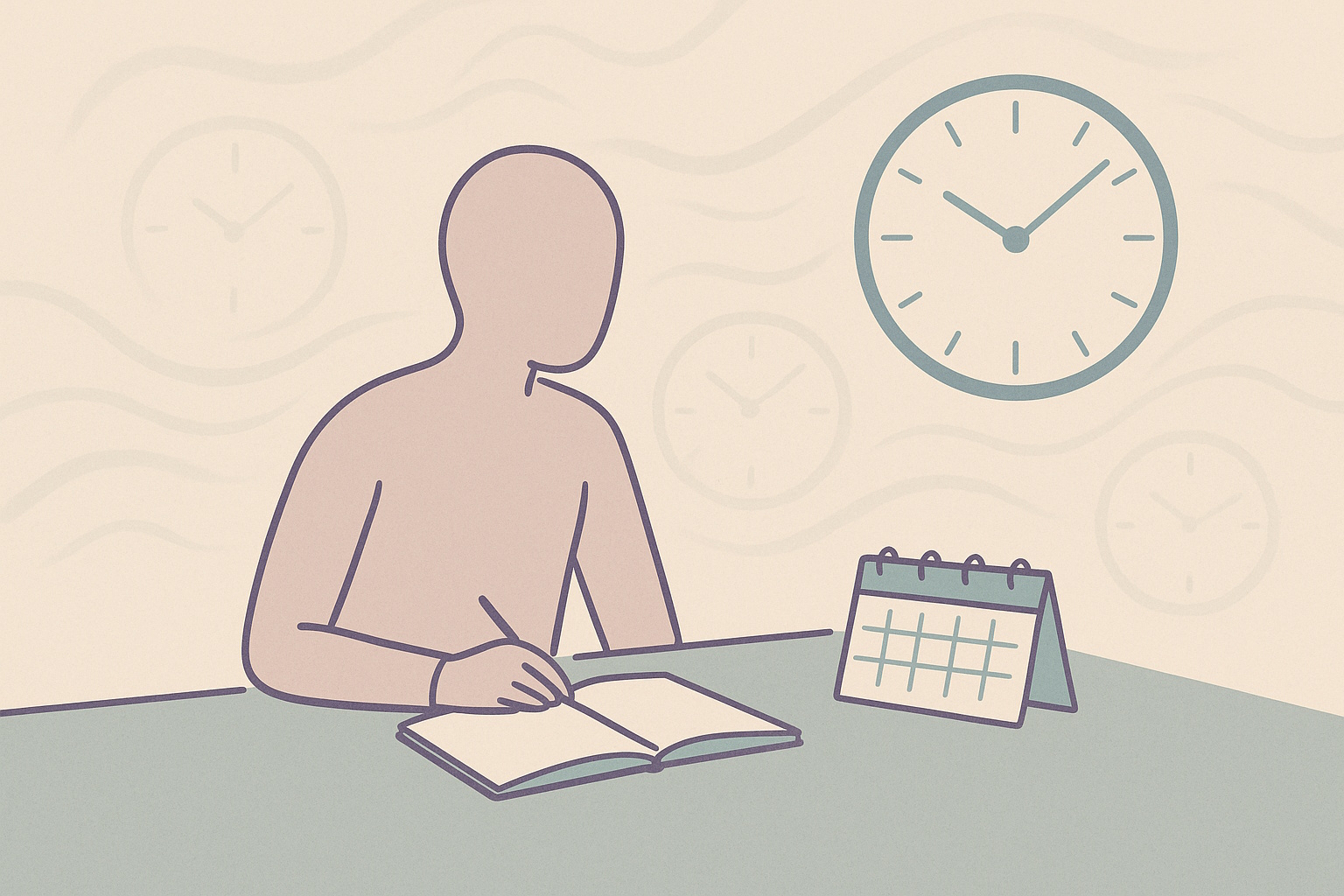
Time blindness isn’t about not caring; it’s about time feeling slippery, even when you want to be organised. In this article I share how planning actually works for me as an autistic adult juggling work, part-time PhD study, family life and volunteering, and offer small, realistic tools to make deadlines, projects and weekday mornings a little less chaotic.

Read More
Low Spoons Day

Low-Spoon Days: Tiny Tools and Routines for When You Have No Energy

Some days it feels like you wake up with no batteries and almost no spoons. This article looks at what “low-spoon” days are, how they show up in everyday life, and offers tiny, realistic tools and routines to help autistic and ADHD adults get through the essentials without burning out completely.

Read More
Masking Neurodiversity

Masking, Burnout, and Quietly Falling Apart When You Get Home

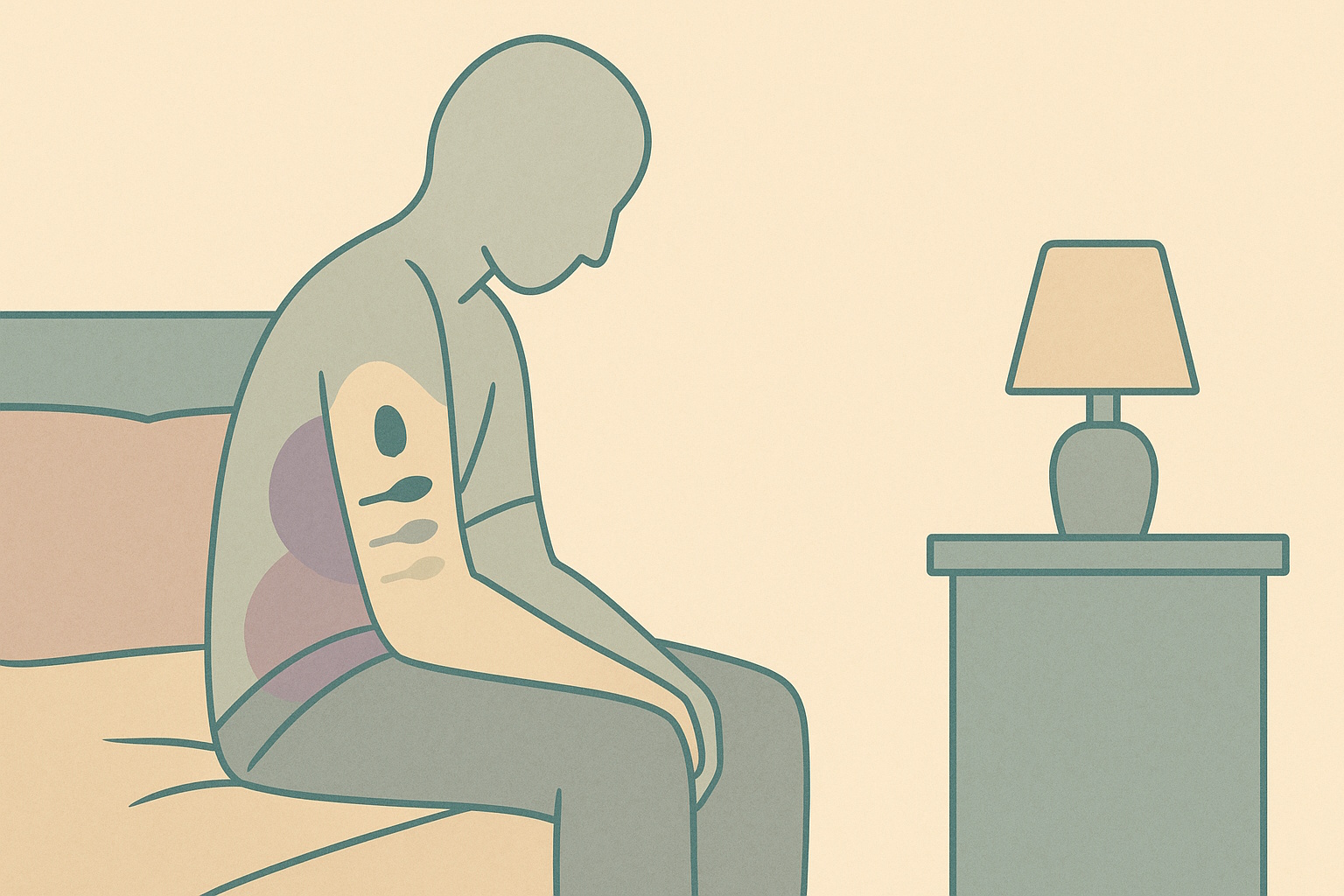
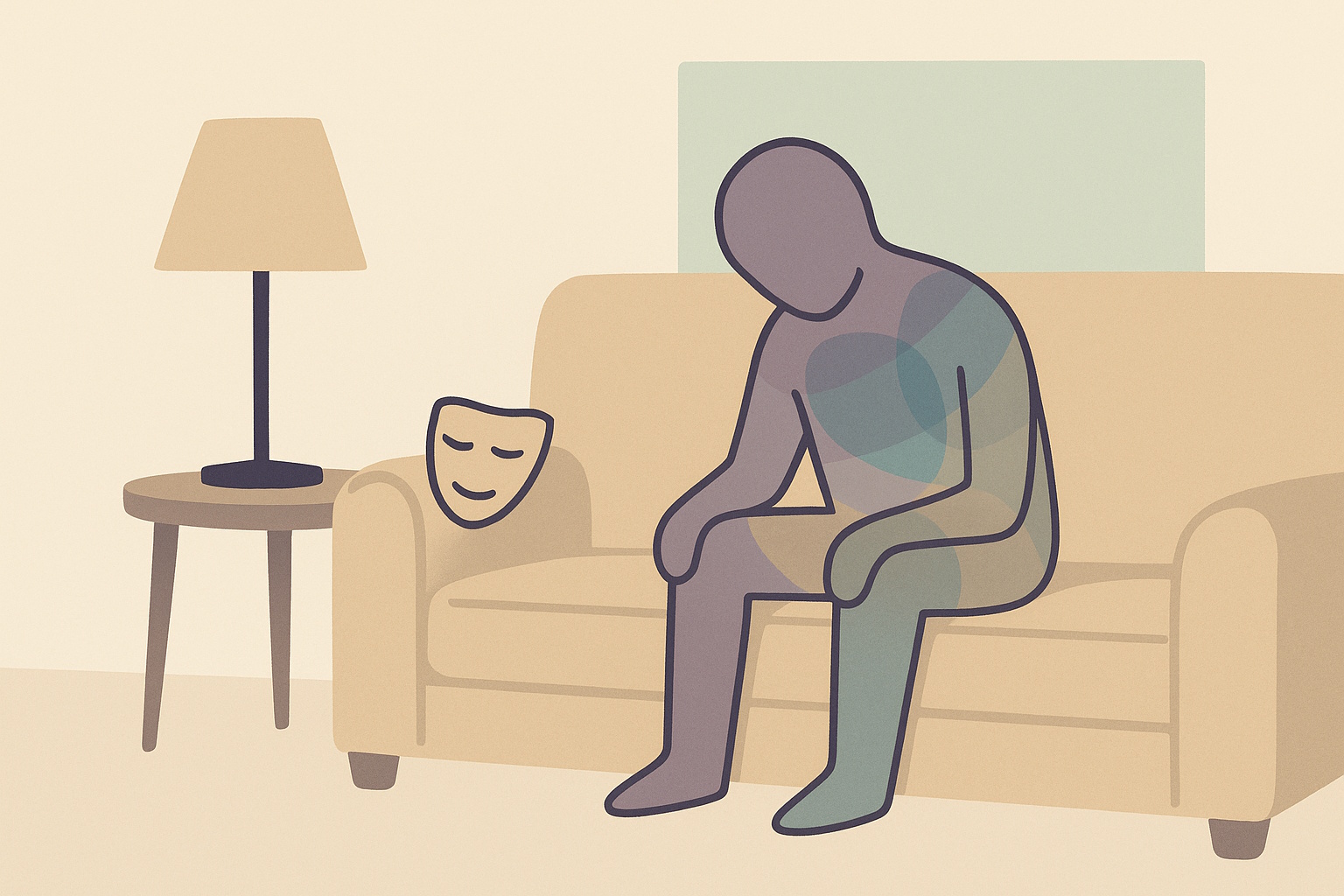
From the outside you might look calm and capable; at home you’re collapsing on the sofa, forgetting to eat and avoiding people. This article explores how long-term masking can feed into autistic burnout, what “quietly falling apart” can look like in everyday life, and offers small, realistic ways to unmask safely and protect your limited energy.

Read More
Ear Protection for Neurodiverse Individuals

Ear Protection for Neurodivergent Brains: When Sound Is Too Much and What You Can Do

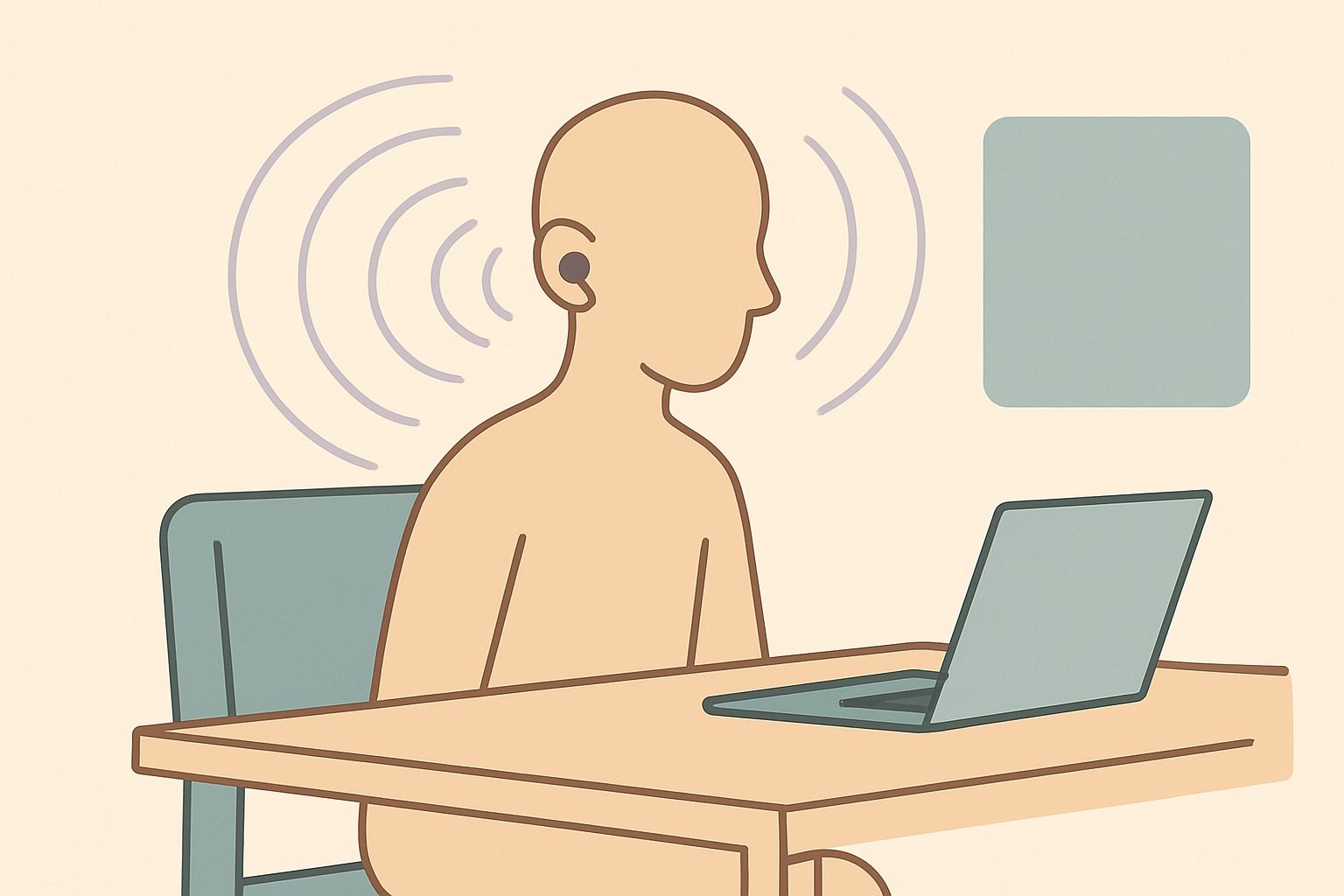
Background noise doesn’t have to be painful to be exhausting. In this article I share how I use noise-reducing ear plugs and earbuds as an autistic adult in open-plan offices, at Beavers and in everyday life, and offer practical, safety-aware ideas you can adapt to find what works for your own sensory system.

Read More
Informing Others of Neurodiversity

Telling People You’re Neurodivergent: Who, When, and Whether to Say Anything

Deciding whether to tell people you’re neurodivergent can feel huge. This article explores the pros and cons of disclosure with family, at work and in community roles, and shares how I’ve handled it so far as an autistic adult, employee, PhD student, parent and Beaver Scout Leader.

Read More