Living With Someone Who Comes Home Exhausted From Masking: A Guide for Partners
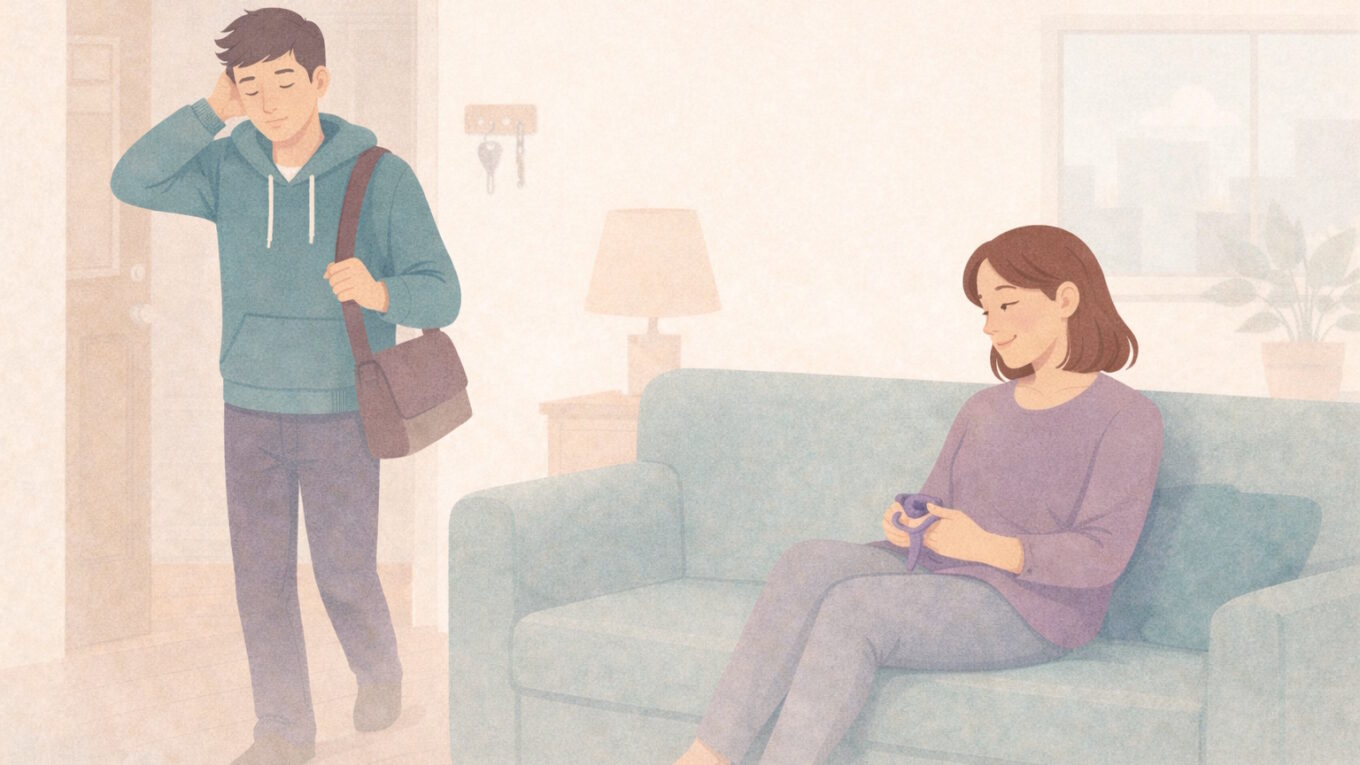
You see your partner go out into the world, hold down a job, chat to colleagues, maybe even seem confident in social situations. Then they come home, and it’s like the light has gone out. They’re quiet, flat, scrolling on their phone, lost in a video game, hiding in another room or going to bed early.
If you love someone who is autistic, ADHD, or otherwise neurodivergent, this can be confusing and sometimes painful. You might find yourself wondering:
- “Why do they have energy for other people but not for me?”
- “Are they just being antisocial?”
- “Is it something I’ve done?”
This guide is written for you. It’s based on the experience of a quietly neurodivergent adult who has been that person who comes home and crashes, and on conversations with others in similar situations. The aim isn’t to blame you or your partner, but to gently explain what might be going on and suggest practical ways you can both make life a little easier.
Summary
- Many neurodivergent people “mask” at work or in public – they work hard to act in ways that feel acceptable to others. This is exhausting, like working another job on top of the job at the same time.
- Home is often the only place where the mask can safely come off. That can look like withdrawal, silence, irritability or zoning out, even when they care deeply about you.
- You can help by building in decompression time after work, keeping some evenings low-pressure, and creating predictable routines that work for both of you.
- Certain phrases hurt more than they help, especially “You were fine earlier” or “You’re just antisocial”. Replacing these with curious, kind questions makes a real difference.
- You are not expected to be a therapist. Your needs matter too. Small, steady adjustments on both sides usually help more than dramatic fixes.
What masking is (in plain language)
Masking is what many neurodivergent people do to get through spaces that weren’t really built with them in mind. It might include:
- copying other people’s tone of voice, facial expressions or body language
- forcing eye contact even when it feels uncomfortable
- rehearsing what to say before speaking
- laughing along even when a joke doesn’t make sense
- hiding stimming (like fidgeting, rocking, tapping) because it might look “odd”
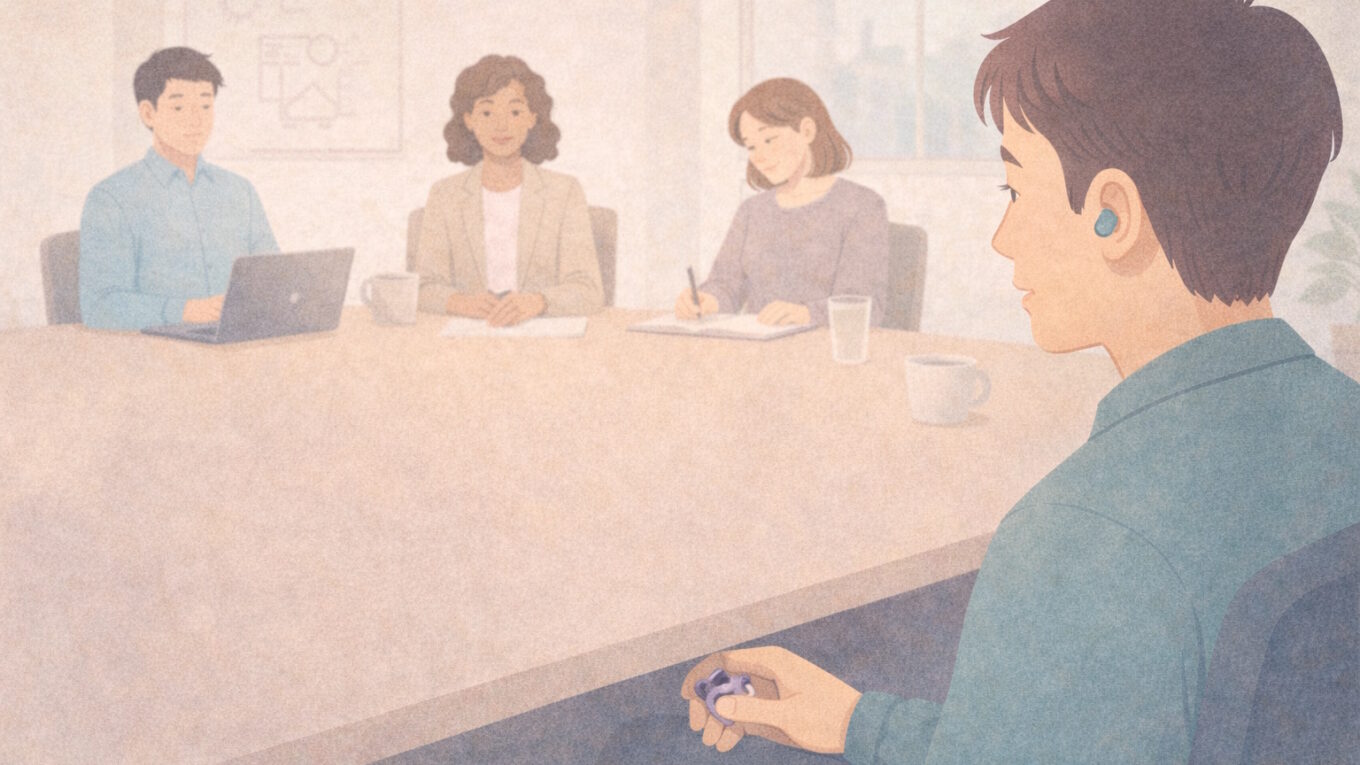
From the outside, masking often looks like your partner is “fine” or even thriving. From the inside, it can feel like running a slightly-too-hard programme in the background all day. They are tracking social rules, sensory input, tasks, and their own reactions constantly.
Some days that effort is manageable. Other days, especially when work is stressful or noisy, it quietly eats through all of their energy.
Why home becomes the “crash site”
For many quietly neurodivergent people, home is the only place where they feel safe enough to stop performing. That is both a good thing and a challenging one.
All day they may be:
- holding in sensory discomfort
- keeping their tone and words “just right”
- staying on top of tasks while their brain is already overloaded
- dealing with unexpected changes or last-minute requests
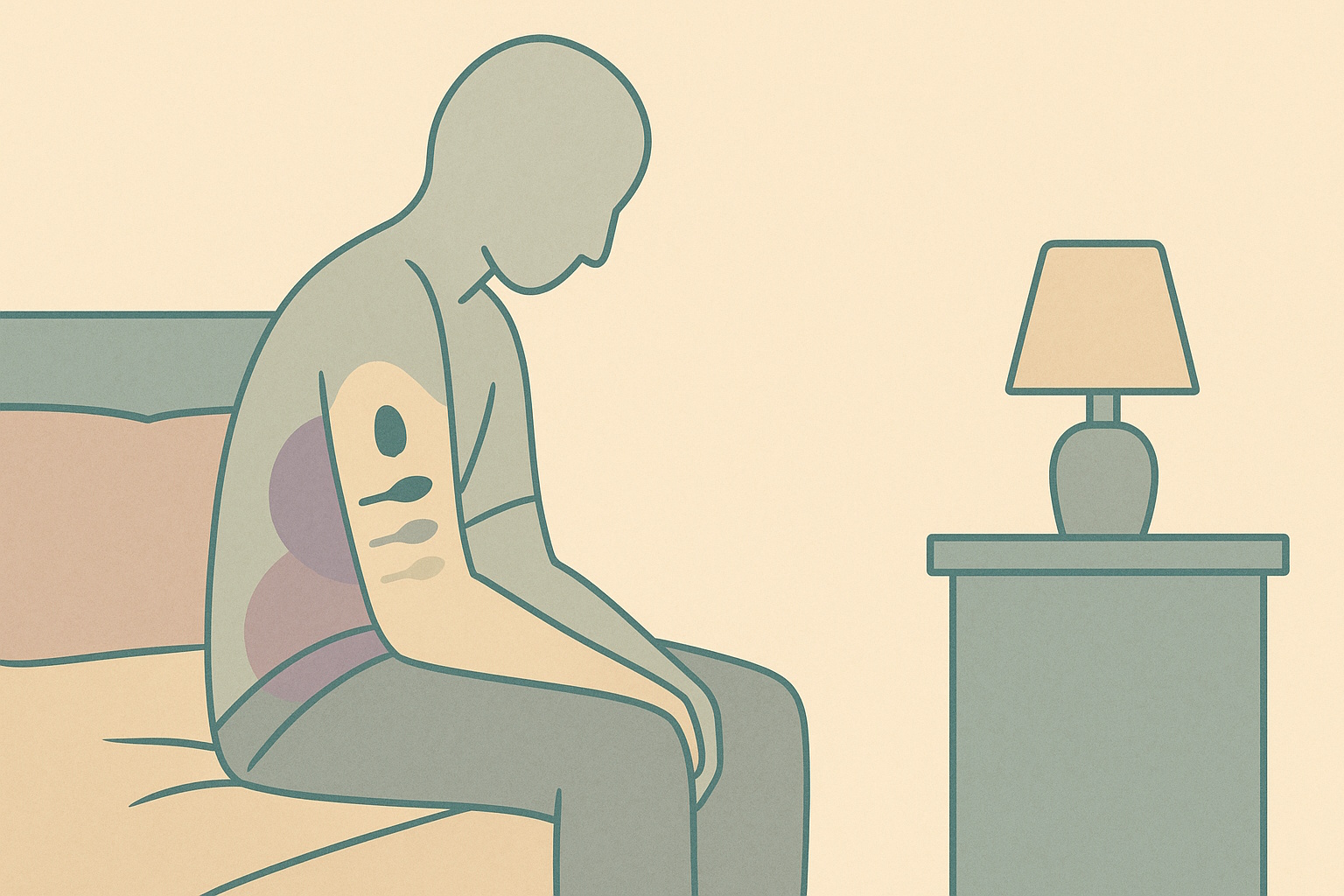
By the time they walk through the door, there may simply not be much left. It’s a bit like limping home on an almost-empty battery.
If you are the person at home, it is important to know you did not cause that exhaustion just by being there. Most of it was spent out in the world. What you have done, often without realising, is create the one space where it feels safe enough for the mask to drop.
They’re not saving their worst self for you; they’re finally in a place where they can let go, because you and your shared space are safer than the outside world feels.
Unfortunately, from the outside, that can look like they are giving you less than they give everyone else.
You might see:
- someone who barely speaks after a day of talking at work
- cancelled plans with you after they managed a social event with colleagues
- a partner who seems distant or distracted when you want connection
It makes sense if that hurts. Both realities can be true at once:
- they are genuinely exhausted and out of social energy, and
- you are genuinely missing their presence and engagement.
How it can look on the outside vs inside
On the outside
From your perspective, living with someone who comes home exhausted from masking might look like:
- short, clipped answers or long silences
- spending a lot of time on their phone, games, or a special interest
- avoiding family gatherings or social events
- irritability over small things (noise, clutter, changes of plan)
- disappearing to another room as soon as they get home
It’s easy to read this as rejection: “They don’t want to be with me” or “They are choosing everyone else over me.”
On the inside
From the neurodivergent partner’s side, there may be a different story:
- their brain is still buzzing from the day, unable to power down
- they’re overstimulated by light, sound and interaction
- they’re scared that if they talk, they’ll snap, cry or say the wrong thing
- they feel guilty for not being “better company”
- they may assume you’d rather they fixed themselves quietly than talked about it
None of this makes the impact on you disappear. But understanding that your partner’s withdrawal is often about overload, not lack of love, can change how you respond.
Practical ways to help at home
Every relationship is different, and your partner’s needs may not match everything here. Think of this as a menu of ideas you can try together, not a list of rules.
Build in decompression time
One of the most helpful things you can do is make space for a “landing period” after work or busy days.
This could look like:
- a short walk alone or with headphones after they arrive home
- 30–60 minutes in a quiet room with a book, game or special interest
- a set routine like shower → comfy clothes → cup of tea before any demands
It can help to agree this explicitly:
“When I come in from work, I really need half an hour where I don’t have to talk or decide anything. After that I’ll be more able to connect.”
As a partner, you might say:
“I can do that. While you decompress, I’ll do X. Then let’s check in later.”
The goal isn’t to never see each other, but to let their nervous system settle so they can be more present afterwards.
Keep some evenings low-pressure
If every evening is full of chores, decisions and big conversations, a neurodivergent brain that has been masking all day may simply tap out.
Where you can, try to:
- keep at least a couple of evenings a week as “low-pressure” nights
- pair necessary tasks (like cooking) with familiar, low-effort activities (like a favourite TV show or music)
- save non-urgent heavy conversations for a time when both of you have more energy
Low-pressure does not mean zero connection. It might mean:
- sitting together doing different things
- watching something gentle
- sharing a simple meal without lots of extra plans
Make routines a shared tool, not a cage
Many neurodivergent people find routines comforting and regulating. At the same time, rigid routines can cause conflict if they clash with your needs.
You can use routines as a shared tool by:
- agreeing a basic weekday rhythm (mealtimes, bedtime, quiet hours) that works for both of you
- having a short check-in once a week: “What worked this week? What felt stressful?”
- being honest about your own needs too: “I need at least one evening when we properly talk. When could that be?”
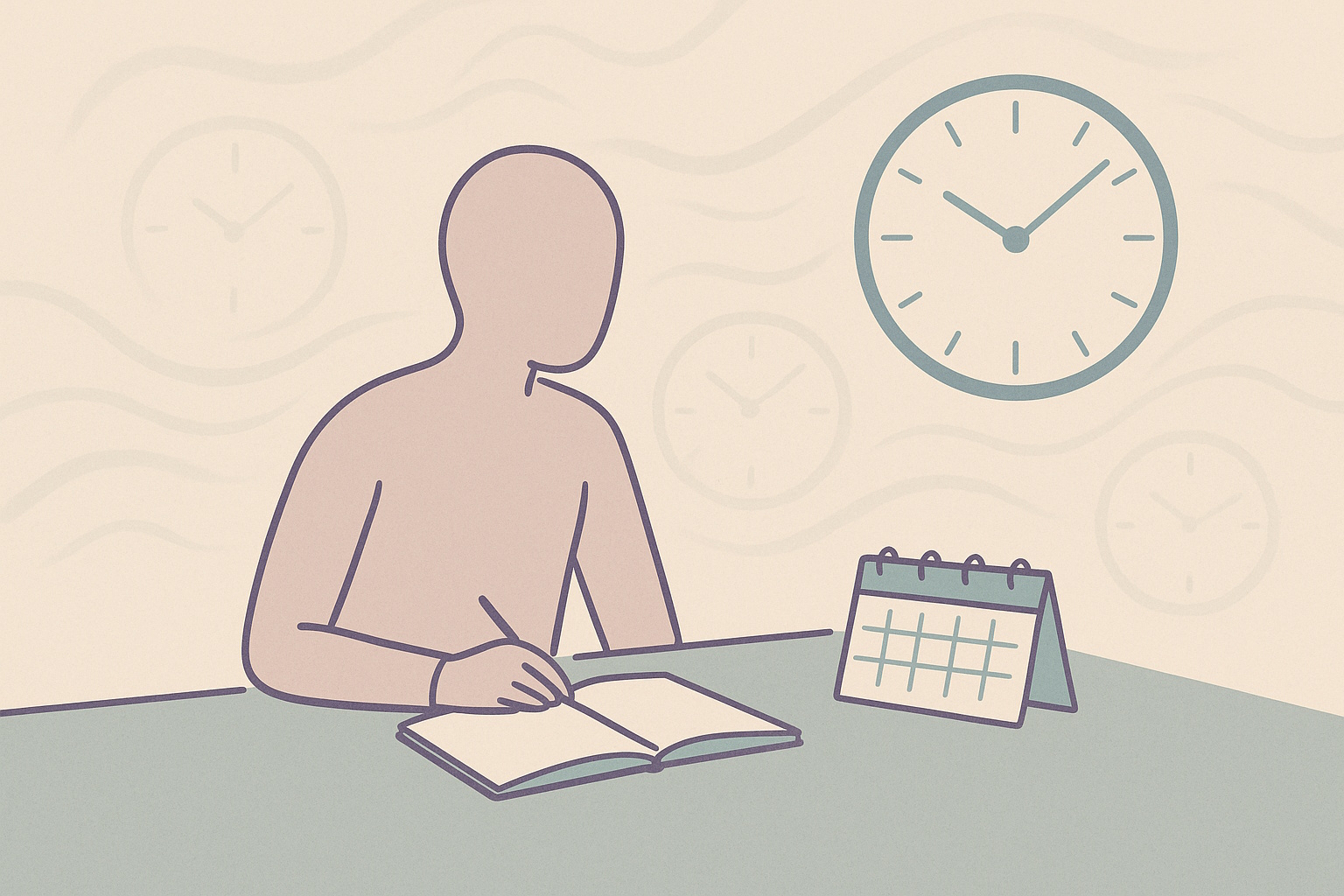
The aim is not to force your life into a perfect schedule. It’s to reduce decision fatigue and surprises for both of you.
Handle invitations and social plans gently
Social invitations can be especially hard when your partner is already exhausted from masking.
Some ideas that may help:
- agree in advance how many social events per week feels sustainable
- build in “escape routes” (for example, taking two cars, or agreeing a hand signal meaning “I need to go soon”)
- allow for “soft yes” responses that can be revisited closer to the time
You might say:
“We’ve been invited to X on Saturday. How are your spoons looking? Would a shorter visit work, or is this a week where we need to say no?”
If they say they can’t manage it, it’s okay to feel disappointed. Naming that gently is often better than bottling it up:
“I’m a bit sad we can’t go, but I understand you’re at your limit. Let’s plan something low-key together instead.”
What not to say (and some kinder alternatives)
Most hurtful comments don’t come from malice. They come from worry, frustration or not really understanding what’s going on. Even so, impact matters.
A few common phrases that usually land badly:
- “You were fine earlier.”
- “You’re just antisocial.”
- “Everyone’s tired, you just need to push through.”
- “You never want to do anything.”
- “You’re choosing your job / friends / hobby over me.”
Some alternatives that keep the door open instead of slamming it shut:
- Instead of “You were fine earlier” →
“You looked like you were working really hard to keep up earlier. How are you feeling now you’re home?” - Instead of “You’re just antisocial” →
“Being around people seems to drain you a lot. How much social stuff feels realistic for you this week?” - Instead of “Everyone’s tired” →
“I know everyone gets tired, but it seems like you hit a different level of exhaustion. What does it feel like for you?” - Instead of “You never want to do anything” →
“I miss doing things together. Are there lower-energy ways we could spend time that still feel okay for you?”
You don’t have to say these word-for-word. The spirit is what matters: curious, specific, and grounded in care rather than accusation.
Looking after yourself as a partner
Your partner’s neurodivergent needs are real. So are yours.
Supporting someone who comes home exhausted from masking can be emotionally heavy. You might feel lonely, rejected, or like you’ve quietly become the “safe bin” for their worst moments.
It’s okay to have mixed feelings:
- love and frustration
- compassion and anger
- understanding and grief for the relationship you imagined
Looking after yourself might include:
- having your own sources of support (friends, peer groups, therapy if accessible)
- keeping some hobbies or activities that are yours, not shared
- being honest, kindly, when you’re reaching your own limits: “I understand why you’re exhausted, and I also need some connection. Can we talk about how to find a balance that works for both of us?”
You are allowed to set boundaries. Caring about your partner does not mean ignoring your own needs.
If you’re the neurodivergent partner reading this
You might be the one who comes home and crashes, reading this to see if it fits.
If parts of this sound uncomfortably familiar, you are not failing at being a partner. You’ve probably spent years, maybe decades, holding everything together in spaces that don’t fully fit you.
This article isn’t here to tell you to “try harder”. It’s here so the person who loves you can understand what’s going on and meet you in the middle.
You might choose to share this with them and say something like:
“A lot of this describes how I feel after work. Can we read it and talk about what does and doesn’t fit me?”
You don’t have to have a perfect script. Even naming “I come home empty and I don’t know how to fix it yet” can be a beginning.
A gentle closing note
Living with someone who comes home exhausted from masking is not easy. Being the person who crashes isn’t easy either.
If your partner lets the mask drop around you, that is not a sign that you have done something wrong or that you are somehow “less” than their colleagues or friends. Instead, it is usually a sign that you have become “more”: a safe person and a safe place – somewhere they do not have to perform in the same way.
There is no quick fix. But there are many small, ordinary things you can do together:
- protect decompression time
- keep some evenings low-pressure
- build shared routines that reduce decision fatigue
- use kinder, more curious language when things feel hard
You don’t have to become an expert in autism or ADHD overnight. You don’t have to get it right every time. If you are both willing to be honest, to listen, and to adjust a little, you are already doing something quietly remarkable.
You are allowed to build a relationship that takes neurodivergent reality seriously – not as a burden, but as one of the many truths you share a life around.

I’m Andrew, the person behind Quietly Neurodivergent. I’m an autistic adult who spent many years trying to pass as “fine” – holding things together at work, showing up to meetings, hitting deadlines – and then unravelling in private. I know what it feels like to look competent on the outside while running on fumes underneath.
By day I work with student data in higher education; by night (and very early mornings) I’m a part-time PhD student thinking about education, inequality and how people move through systems that were never quite built for them. I’ve also spent nearly ten years as a town councillor and I volunteer as a Beaver Scout Leader, which means I’ve had a lot of practice navigating meetings, forms, responsibilities and sensory/social overload at the same time. That mix of lived experience, community work and research shapes how I write here: practical, plain-English pieces that sit somewhere between “this is what it’s like” and “here are some things you could try”.
I’m not a clinician and I don’t offer diagnosis, therapy or miracle fixes. What I can offer are honest accounts of what has and hasn’t helped me with study, work and everyday life, alongside small, realistic tools you can adapt for yourself. If you recognise yourself in the phrase “quietly neurodivergent”, this site is for you.