Glossary
This page explains some of the words I use on Quietly Neurodivergent in plain English. You do not need to memorise anything – it’s here if and when you want to look something up.
On most articles, you can hover over or tap on highlighted words to see a small popup with the same definition. The explanations here describe how I’m using these terms on this site. They are not full medical or legal definitions, and they are not a substitute for professional advice.
Glossary
-
Self-diagnosed
“Self-identified” (or self-diagnosed) means you recognise yourself in autistic/ADHD experiences and have claimed that identity for yourself, even if you don’t have a formal clinical diagnosis.
-
Self-identified
“Self-identified” (or self-diagnosed) means you recognise yourself in autistic/ADHD experiences and have claimed that identity for yourself, even if you don’t have a formal clinical diagnosis.
-
Sensory overload
“Sensory overload” happens when your senses get more input than your brain can handle, often leading to distress, pain, meltdown or shutdown.
-
Sensory processing
“Sensory processing” is how your brain receives and organises information from your senses, such as sound, light, touch, smell and movement.
-
Shutdown
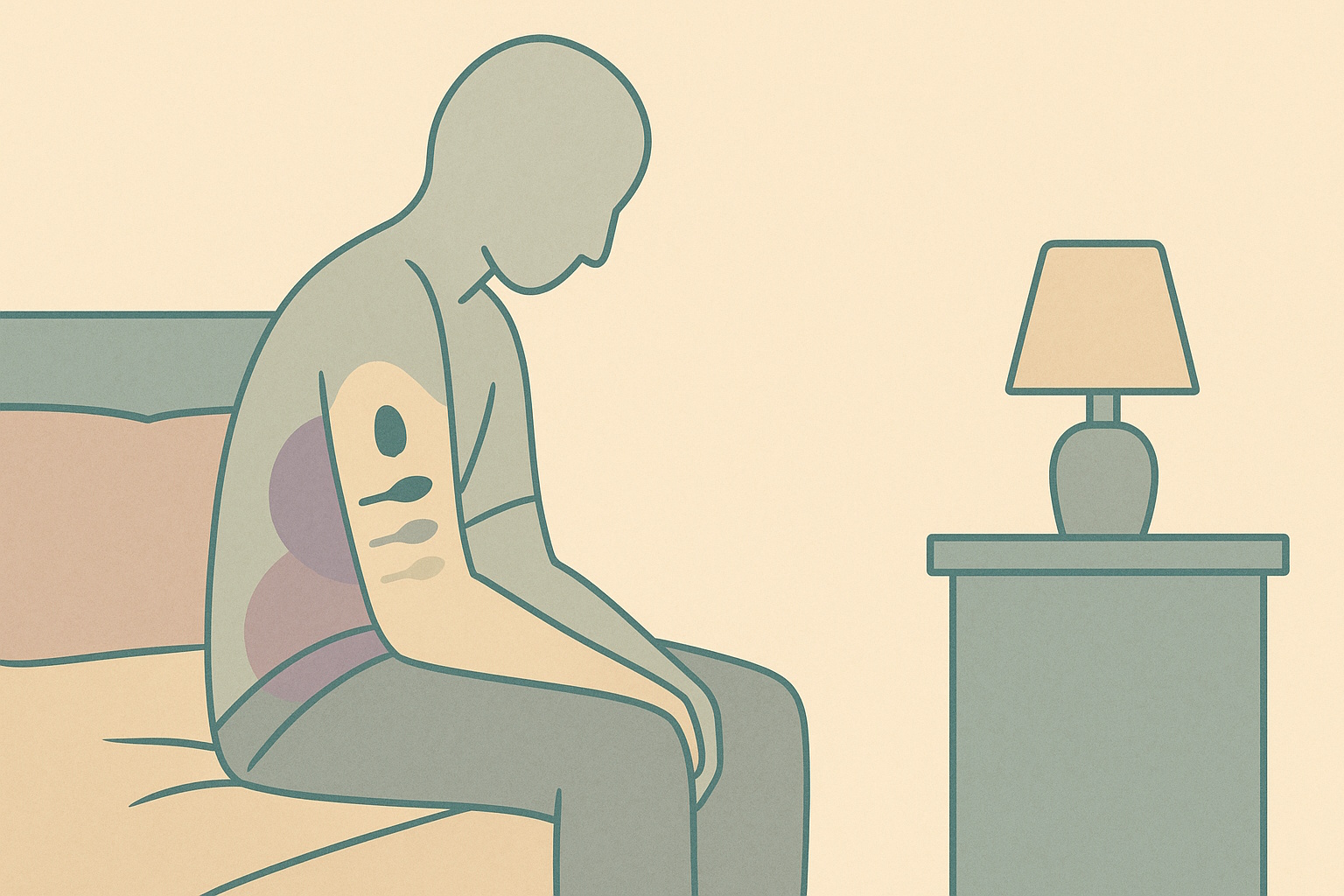
A “shutdown” is when overload makes you pull inwards: you may go quiet, lose words, feel frozen or numb, and find it hard to move or respond.
-
Social hangover
A “social hangover” is the drained, shaky or exhausted feeling that can hit hours or days after socialising, even if you enjoyed it at the time.
-
Special interest
A “special interest” is a topic or activity you care about very deeply, often knowing a lot of detail and finding it soothing or energising to focus on.
-
Spoon theory
“Spoons” are a way of talking about limited energy. You start the day with a certain number of spoons, and every task uses some up until you have none left.
-
Spoons
“Spoons” are a way of talking about limited energy. You start the day with a certain number of spoons, and every task uses some up until you have none left.
-
Stim
“Stimming” means repetitive movements or sounds (like rocking, tapping or humming) that help regulate feelings, focus or sensory input. These individual repetitive movements or sounds are called a \"stim\".
-
Stimming
“Stimming” means repetitive movements or sounds (like rocking, tapping or humming) that help regulate feelings, focus or sensory input. These individual repetitive movements or sounds are called a \"stim\".
-
Systems
On this site, “systems” means the big structures we have to move through, like schools, universities, workplaces, benefits, healthcare and government rules – not computer systems. It’s about how those setups are organised and how they treat people.