Tag: Quietly Neurodivergent

Masking Neurodiversity

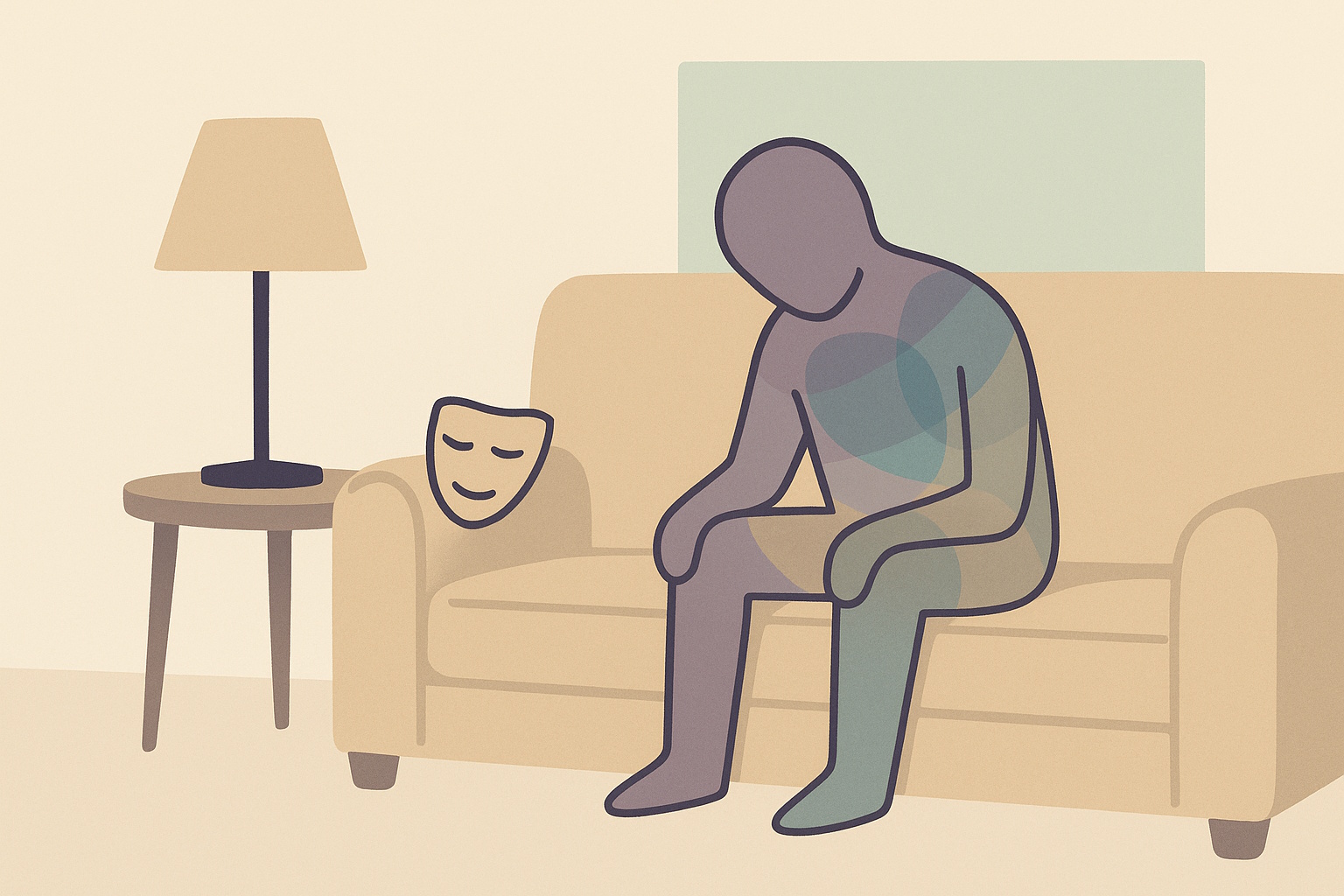
Masking, Burnout, and Quietly Falling Apart When You Get Home

From the outside you might look calm and capable; at home you’re collapsing on the sofa, forgetting to eat and avoiding people. This article explores how long-term masking can feed into autistic burnout, what “quietly falling apart” can look like in everyday life, and offers small, realistic ways to unmask safely and protect your limited energy.

Read More
Ear Protection for Neurodiverse Individuals

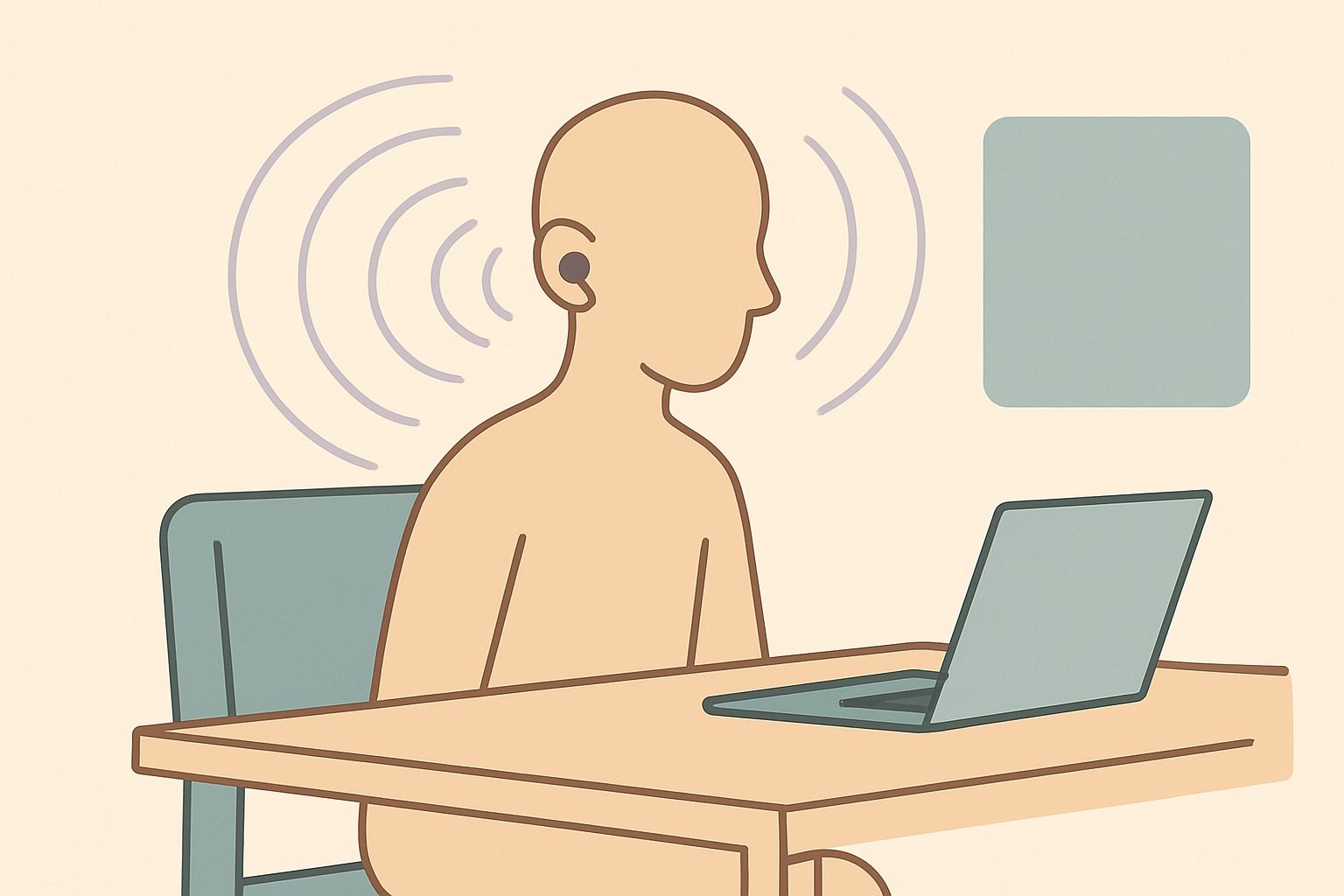
Ear Protection for Neurodivergent Brains: When Sound Is Too Much and What You Can Do

Background noise doesn’t have to be painful to be exhausting. In this article I share how I use noise-reducing ear plugs and earbuds as an autistic adult in open-plan offices, at Beavers and in everyday life, and offer practical, safety-aware ideas you can adapt to find what works for your own sensory system.

Read More
Informing Others of Neurodiversity

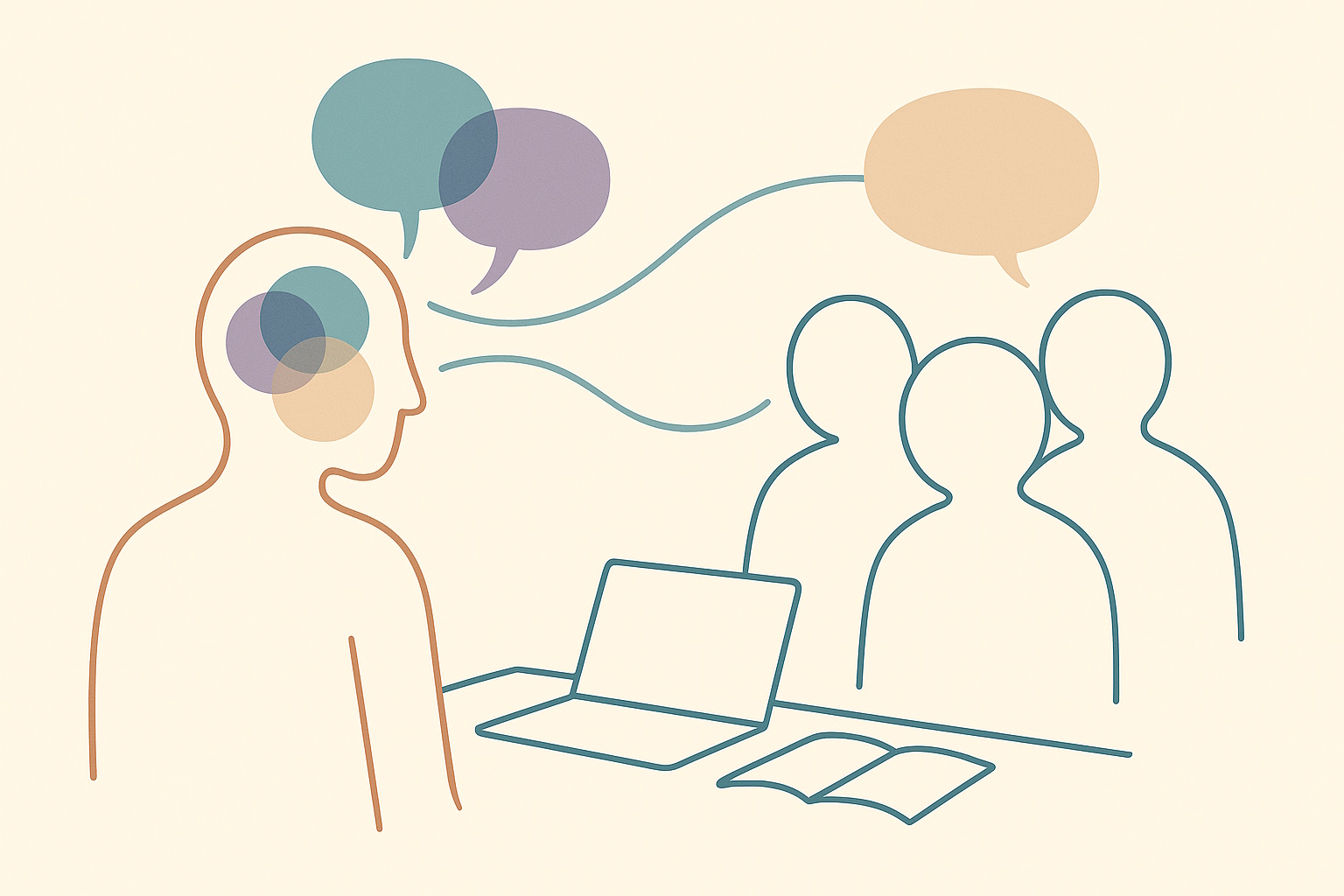
Telling People You’re Neurodivergent: Who, When, and Whether to Say Anything

Deciding whether to tell people you’re neurodivergent can feel huge. This article explores the pros and cons of disclosure with family, at work and in community roles, and shares how I’ve handled it so far as an autistic adult, employee, PhD student, parent and Beaver Scout Leader.

Read More
Studying When Your Brain Won’t Start

Studying When Your Brain Won’t Start

Many autistic and ADHD students care deeply about their work but still feel unable to start. Drawing on my own experience of working full time, studying part time and raising a family, this article explains why studying can feel impossible and offers tiny, realistic ways to move forward without expecting a perfect student brain.

Read More
Passing as "fine" at work

Passing as “Fine” at Work (When You’re Quietly Falling Apart)

Many neurodivergent people look calm and capable at work while quietly falling apart afterwards. This article names that pattern of “passing as fine”, explores why autistic and ADHD adults so often do it, and offers small, realistic ways to make work 5–10% kinder to your brain.

Read More