Low-Spoon Days: Tiny Tools and Routines for When You Have No Energy
There are days when your brain and body simply refuse. The alarm goes off, or the kids wake up, or a work notification pings, and instead of feeling “a bit tired”, you feel like someone has secretly removed the batteries. The thought of doing everything you’re meant to do – working, studying, parenting, cooking, socialising – feels less like climbing a hill and more like scaling a cliff.
For many autistic and ADHD people, these low-energy days aren’t rare exceptions. On weekday mornings my alarm goes off at 7am so I can get the kids up for school, start the day job and fit in all the ordinary adult tasks. There are days when it feels like I have absolutely no drive at all, as if the batteries never charged overnight. They’re a regular part of life. Executive function, sensory load, masking, sleep, health, other people’s demands – they all stack up. Sometimes you end up with very few “spoons” left.
This article is about those low-spoon days. It isn’t a productivity guide or a moral lecture. It’s a collection of small, realistic tools and routines that I use as an autistic adult who works full time, studies part time, has a family and volunteers with Beaver Scouts. What works for me won’t work for everyone, and that’s okay. The aim is not to turn you into a different person, but to help you find ways of making life 5–10% kinder to your actual brain when you’re running on fumes.
Quick Summary
- “Low-spoon” days are the days when your energy and capacity are very limited, often after long periods of masking, stress or sensory load.
- On these days, tasks that are usually just about manageable can feel impossible, and it’s easy to slide into self-blame.
- Small, pre-decided routines and tools – for food, hygiene, work, study and parenting – can make it easier to get through the essentials without using every last bit of energy.
- It’s okay to lower your standards on low-spoon days, say no to extra demands, and choose the easiest safe options.
- You’re not failing because you can’t do everything. You’re living in a world that demands a lot from brains like ours.
What “low-spoon” means (and why it matters)
On this site, I use “low-spoon” as shorthand for having very little energy or capacity left, based on the idea of spoon theory. You start the day with a certain number of spoons. Every task – getting dressed, talking to people, making decisions, dealing with noise – uses some up. On some days you might have plenty. On others, you might wake up practically at zero.
Low-spoon days are not the same as being “a bit tired”. They are days when:
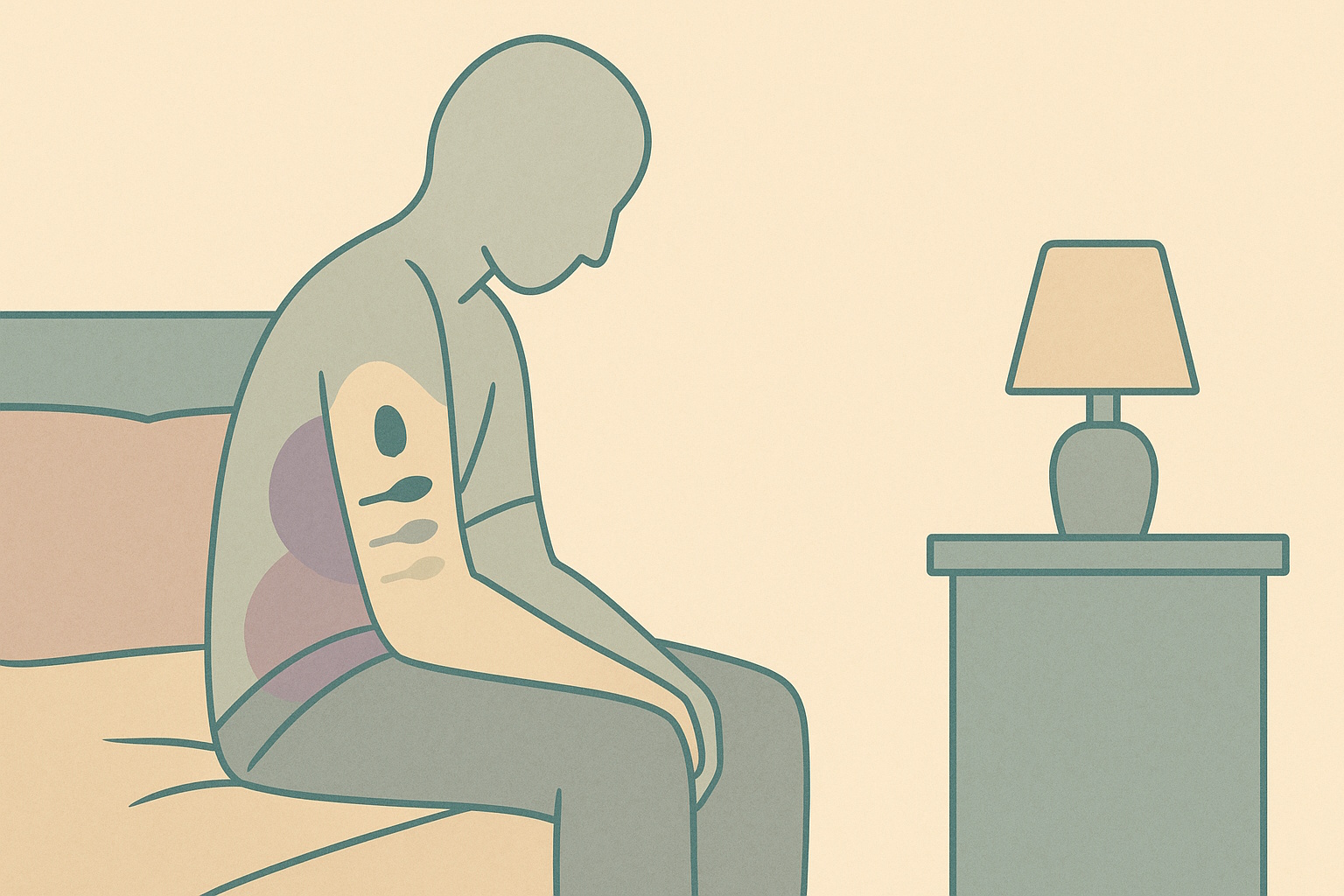
- getting out of bed feels like a major effort
- small tasks, like washing a plate or answering an email, feel strangely huge
- your brain keeps skidding off tasks you know are important
- you are more prone to shutdown, tears or snapping at people you care about
When we don’t have language for this, it’s easy to jump straight to self-blame: “I’m lazy”, “I’m useless”, “Everyone else can cope; why can’t I?” Naming these days as low-spoon can soften that inner voice. It doesn’t fix the exhaustion, but it can reduce the shame.
Noticing you’re in a low-spoon day
Sometimes low-spoon days sneak up on you. Other times you can see them building after a long week of masking, late nights, loud environments and constant demands.
Signs you might be in a low-spoon day (or heading for one):
- stuff that is usually just about manageable suddenly feels impossible
- you find yourself staring at tasks without starting them
- noise, light or mess that you normally tolerate feels unbearable
- you’re making more small mistakes than usual
- you feel tearful or flat for no clear reason
It can help to check in with yourself at the start of the day and be honest about where you are. You might ask:
“If a normal day is ten spoons, how many do I realistically have today?”
If the answer is “three” or “one” or “I’m borrowing from tomorrow”, that’s useful information. It can shape what you ask of yourself.
Gentle planning for low-spoon days
On low-spoon days, your brain may not have the capacity to make lots of decisions. Having a simple, pre-decided structure can help you get through the essentials without having to reinvent a plan from scratch.
You might find it helpful to decide, in advance, what a “minimum viable day” looks like for you. For example, something like:
- take medication if you have it
- eat something, even if it’s not ideal
- drink water
- do one tiny task that helps future-you (like moving laundry, sending one email, or putting one thing away)
- rest in whatever way actually feels vaguely restoring
On a low-spoon day, doing only that list might be enough. Anything more is a bonus. The point is to keep yourself safe and gently pointed in the direction of life, not to win any prizes.
Low-spoon routines at home
Home can be both a refuge and a source of extra demands. When you’re low on spoons, it can help to have “easy mode” versions of basic tasks.
Food
Cooking can be a huge barrier when you’re exhausted. You’re allowed to simplify.
Some ideas:
- keep a few very easy meals in the house that you don’t have to think about: frozen meals, tinned soup, pasta and sauce, toast
- if you live with other people, be honest when you can: “I’m low on energy today; can we keep food very simple?”
- if you have the spoons on better days, batch-cook or prep things your future low-spoon self can just heat up
It might not be the most nutritious or impressive eating day. That’s okay. The goal is to put something in your body.
Hygiene and clothes
Showers, teeth and clothes can feel like mountain climbs when you’re exhausted.
Some low-spoon options:
- if a full shower is too much, a quick wash at the sink or using wipes is still something
- keep a small basket with basics in one place (toothbrush, toothpaste, face cloth, deodorant) so you don’t have to hunt for them
- have a few “default” comfortable outfits that you can grab without thinking
If you don’t manage everything, that does not make you dirty or disgusting as a person. It means you had limited energy that day.
Housework
On low-spoon days, housework can often be reduced to one or two small actions that will make tomorrow a bit less harsh. For example:
- putting rubbish in a bin rather than leaving it to spread
- moving dishes to one place rather than washing everything
- doing a very short tidy of the thing that will annoy future-you the most
You might choose one “anchor” task for the day – the thing that will make the biggest difference to how your space feels. Everything else can wait.
Low-spoon routines for work and study
Many of us don’t have the option to simply cancel work or study on low-spoon days, especially when we’re juggling full-time jobs, part-time study, and family life.
In those situations, the aim becomes: how can I meet the most important commitments in the least energy-intensive way possible?
Work
If you can, you might:
- identify the one or two tasks that genuinely have to be done today
- let less important tasks consciously slide to another day
- use simple scripts in emails and messages so you’re not drafting from scratch
For example:
- “I’m working through a low-energy day today, so I may be a little slower than usual to reply.”
- “I’ll need until [day] to give this the attention it deserves.”
If your workplace is safe enough to know you’re neurodivergent, you might be able to be a little more specific. If it isn’t, you can still frame it as an energy or health issue without explaining everything.
Study
On low-spoon days, study might need to switch to “maintenance mode”. That could mean:
- doing low-brain tasks like organising notes, copying references or highlighting
- reading in very small chunks with breaks in between
- letting go of the idea that every study session has to produce big, visible progress
Sometimes the best you can do is keep your relationship with the work alive without expecting a masterpiece.
Saying no (or “not today”) to extra demands
One of the most protective things you can do on low-spoon days is to avoid adding new demands where possible. This is often easier said than done.
If you feel able, you might practice a few gentle scripts, such as:
- “I’m having a low-energy day; I’m going to pass on this one, but thank you for inviting me.”
- “I’d love to help, but I don’t have the capacity today. Could we look at another time?”
- “I can’t do [big thing], but I could manage [smaller thing] if that’s still useful.”
For me, being stricter about social invitations has helped. I generally keep them to a minimum unless I know the people well enough and trust the environment. It can be disappointing – sometimes I wish I could say yes more often – but it protects me from stacking additional masking and sensory demands on top of an already full load.
You are not selfish for protecting your energy. You are recognising that your resources are limited and acting accordingly.
Tools and environments that help (a little)
Sometimes small adjustments in your environment or tools can make low-spoon days a little easier to bear.
Possibilities include:
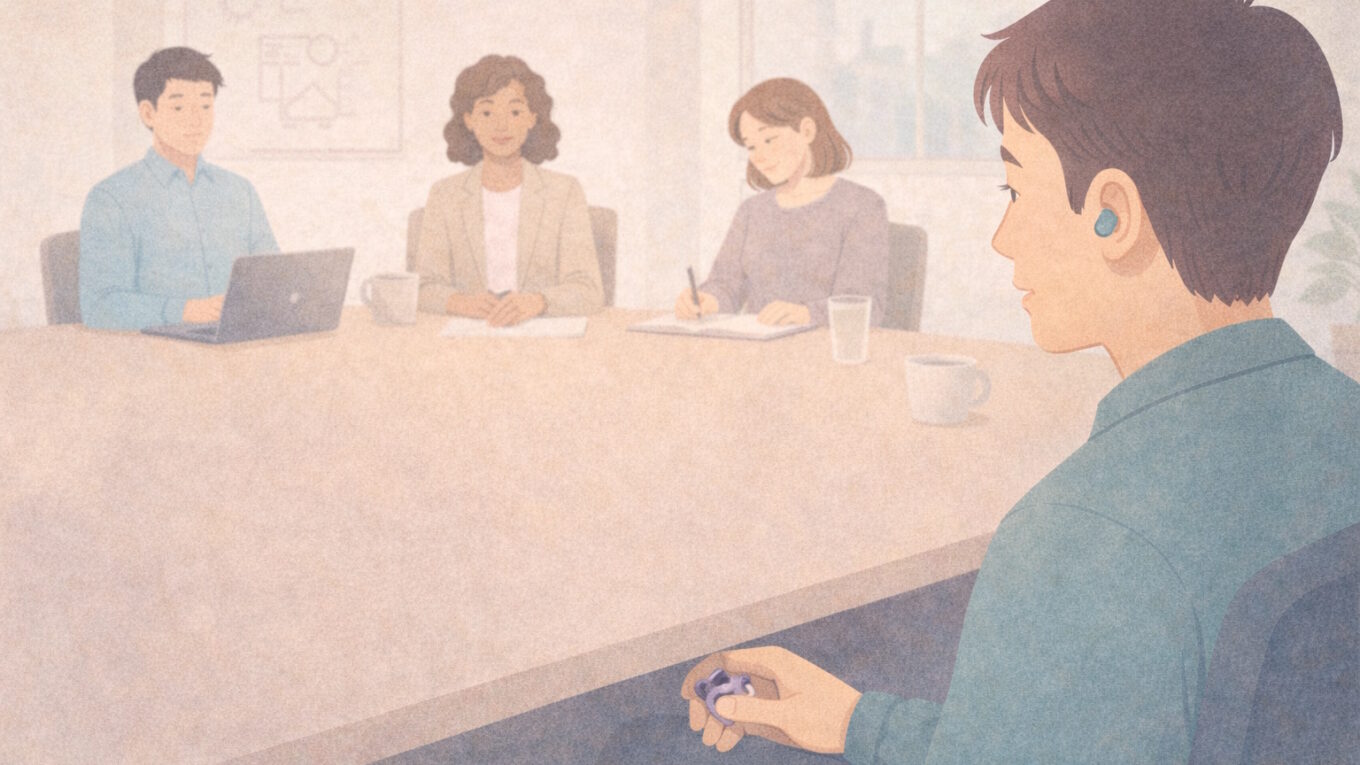
- using ear protection or noise-reducing earbuds in loud environments
- adjusting lighting (lamps instead of bright overhead lights, screen brightness changes)
- having a “landing zone” near the door for keys, bags and important items so you don’t have to search for them
- keeping commonly used objects (medication, notebook, favourite mug) within easy reach in one place
I’ve written separately about ear protection and why noise-reducing options help me cope with busy spaces. The short version is: turning the volume down a bit gives my brain more capacity to handle everything else.
None of these changes will magically fix a low-spoon day. But they can reduce friction.
Being kind to yourself on low-spoon days
The hardest part of low-spoon days is often not the lack of energy itself, but the story we tell ourselves about what that lack of energy means.
You might notice thoughts like:
- “I should be able to cope.”
- “Everyone else manages; I’m just weak.”
- “I’m wasting my life.”
These thoughts are understandable, especially if you’ve spent years pushing yourself to match other people’s pace. But they are not the only possible interpretation.
Another reading might be:
- you are a person whose brain and body are doing a lot of work, much of it invisible
- the world around you is not designed with your wiring in mind
- you are doing the best you can with the spoons you have
Being kind to yourself on low-spoon days doesn’t mean pretending everything is fine. It means acknowledging that things are hard without adding extra punishment on top.
Small acts of self-kindness might include:
- speaking to yourself the way you would speak to a friend in the same situation
- allowing yourself to do something small and comforting without guilt
- reminding yourself that low-spoon days will not last forever, even if they come often
When to seek more support
Low-spoon days are part of life for many neurodivergent people. But if you find that:
- almost every day feels like a low-spoon day
- you rarely or never feel rested, even after breaks
- you are struggling to meet basic needs or keep yourself safe
- you are feeling hopeless about things improving
it might be time to look for more support.
That could mean talking to:
- a GP or mental health professional
- a trusted person in your life
- disability or student support services at your institution
- workplace HR or occupational health, if that feels safe
Quietly Neurodivergent cannot provide crisis support, medical advice or detailed individual guidance. It can, however, give you language to describe what’s happening, which you can take into those conversations.
A quiet closing thought
Low-spoon days are not a personal failing. They are a sign that your brain and body have limits, and that those limits are being reached or exceeded.
If you’re reading this while lying on the sofa, or half-dressed, or surrounded by things you meant to do, you are not alone. Many quietly neurodivergent people spend a lot of time in this in-between space: capable in some moments, completely out of resources in others.
You do not have to turn low-spoon days into productive ones. You are allowed to aim lower: to keep yourself safe, to meet a few basics, to let some things slide, and to treat yourself with at least a fraction of the compassion you would offer to someone else in your position.
If one tiny idea from this article – a minimum viable day, an easier meal, a simpler script, a small environmental tweak – makes your next low-spoon day even slightly less harsh, that is enough. Your energy is precious. You deserve to spend it in ways that keep you going, not just in ways that keep other people comfortable.

I’m Andrew, the person behind Quietly Neurodivergent. I’m an autistic adult who spent many years trying to pass as “fine” – holding things together at work, showing up to meetings, hitting deadlines – and then unravelling in private. I know what it feels like to look competent on the outside while running on fumes underneath.
By day I work with student data in higher education; by night (and very early mornings) I’m a part-time PhD student thinking about education, inequality and how people move through systems that were never quite built for them. I’ve also spent nearly ten years as a town councillor and I volunteer as a Beaver Scout Leader, which means I’ve had a lot of practice navigating meetings, forms, responsibilities and sensory/social overload at the same time. That mix of lived experience, community work and research shapes how I write here: practical, plain-English pieces that sit somewhere between “this is what it’s like” and “here are some things you could try”.
I’m not a clinician and I don’t offer diagnosis, therapy or miracle fixes. What I can offer are honest accounts of what has and hasn’t helped me with study, work and everyday life, alongside small, realistic tools you can adapt for yourself. If you recognise yourself in the phrase “quietly neurodivergent”, this site is for you.