Category: Foundations

This category gathers the core pieces I’d most like people to read first. These are the foundations: quiet explanations of key ideas like time blindness, masking, burnout, low-spoon days and how to talk about being neurodivergent at work, in study and at home. If you’re not sure where to start, start here.

Writing Neurodiversity Statement

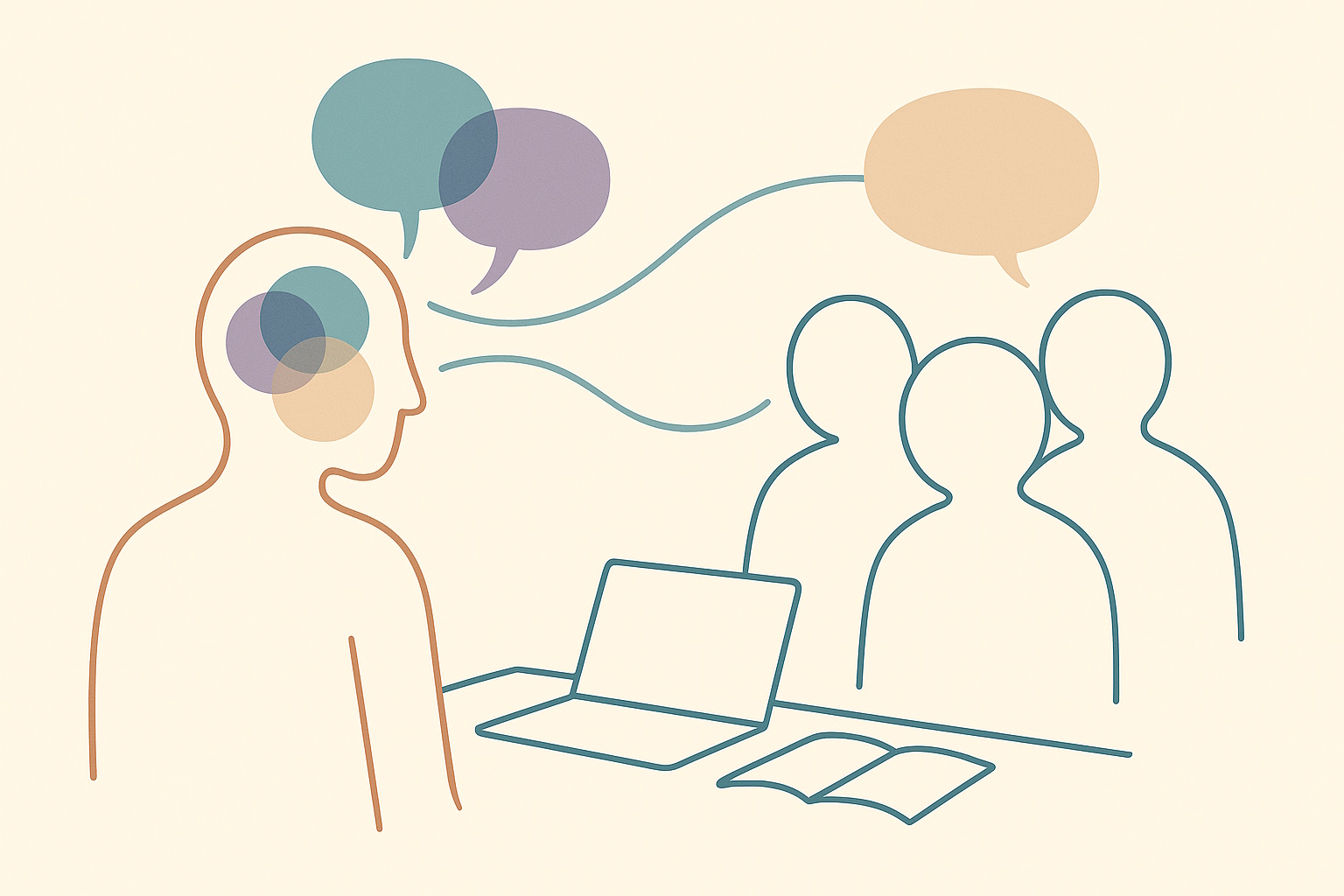
How I Explain How I Work: Writing a Neurodiversity Statement

Knowing you’re neurodivergent is one thing; explaining it to managers, tutors or coordinators is another. This article walks through how to write a short “how I work” neurodiversity statement, using a simple structure, example sentences based on my own statement, and ideas for adapting it to work, study and volunteering while still protecting your privacy.

Read More
Neurodivergent Time Blindness

Planning With Time Blindness: A Neurodivergent Guide

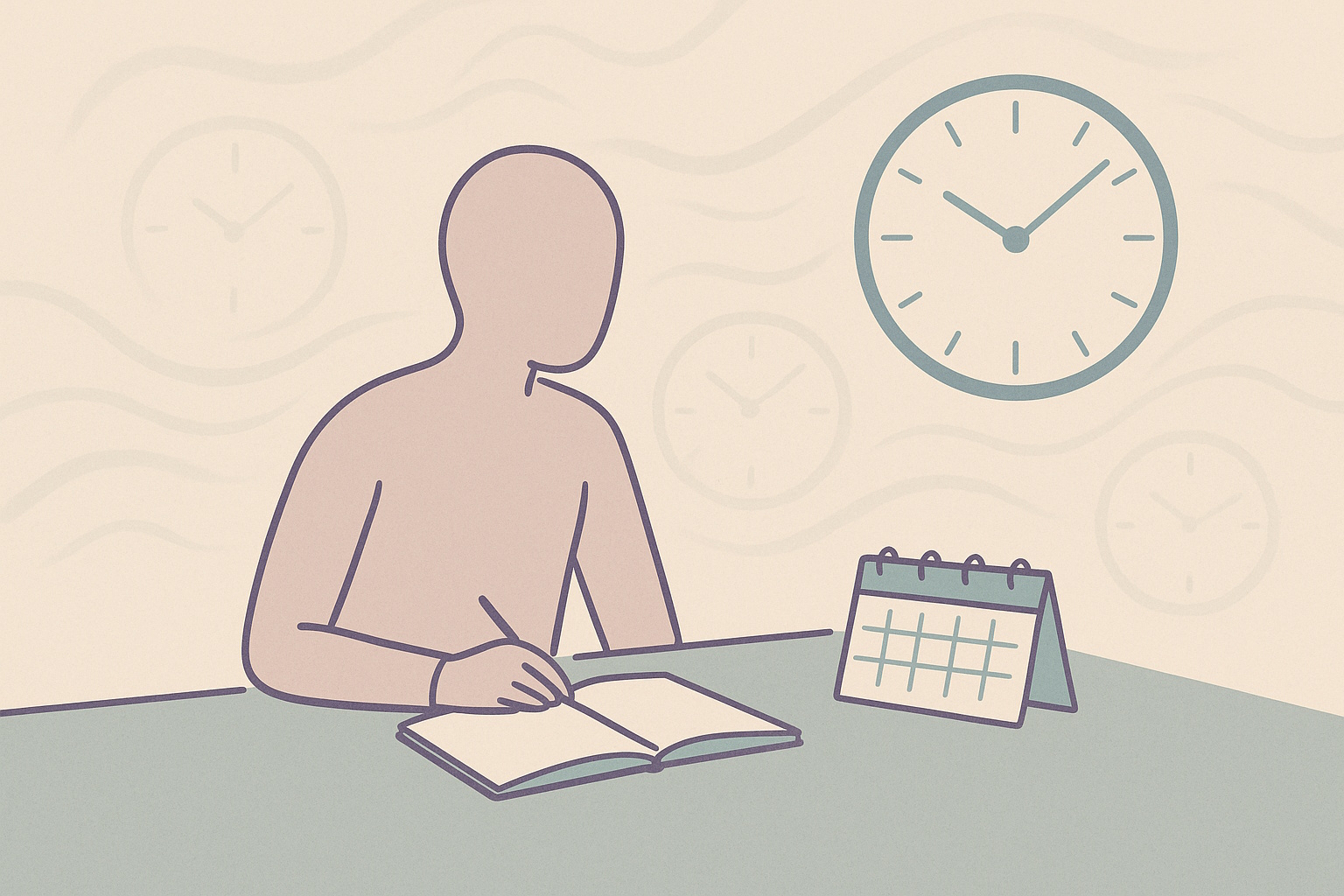
Time blindness isn’t about not caring; it’s about time feeling slippery, even when you want to be organised. In this article I share how planning actually works for me as an autistic adult juggling work, part-time PhD study, family life and volunteering, and offer small, realistic tools to make deadlines, projects and weekday mornings a little less chaotic.

Read More
Low Spoons Day

Low-Spoon Days: Tiny Tools and Routines for When You Have No Energy

Some days it feels like you wake up with no batteries and almost no spoons. This article looks at what “low-spoon” days are, how they show up in everyday life, and offers tiny, realistic tools and routines to help autistic and ADHD adults get through the essentials without burning out completely.

Read More
Masking Neurodiversity

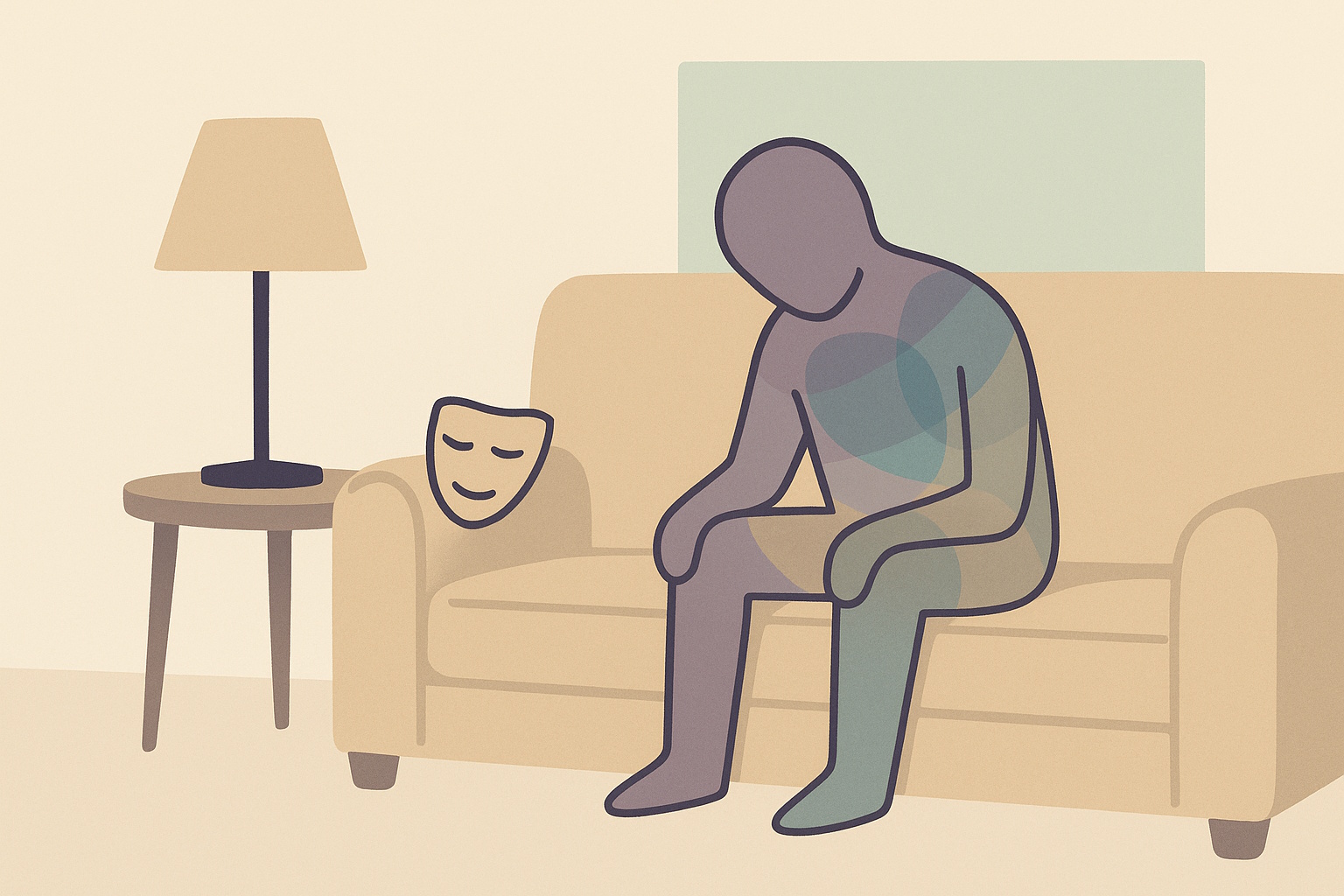
Masking, Burnout, and Quietly Falling Apart When You Get Home

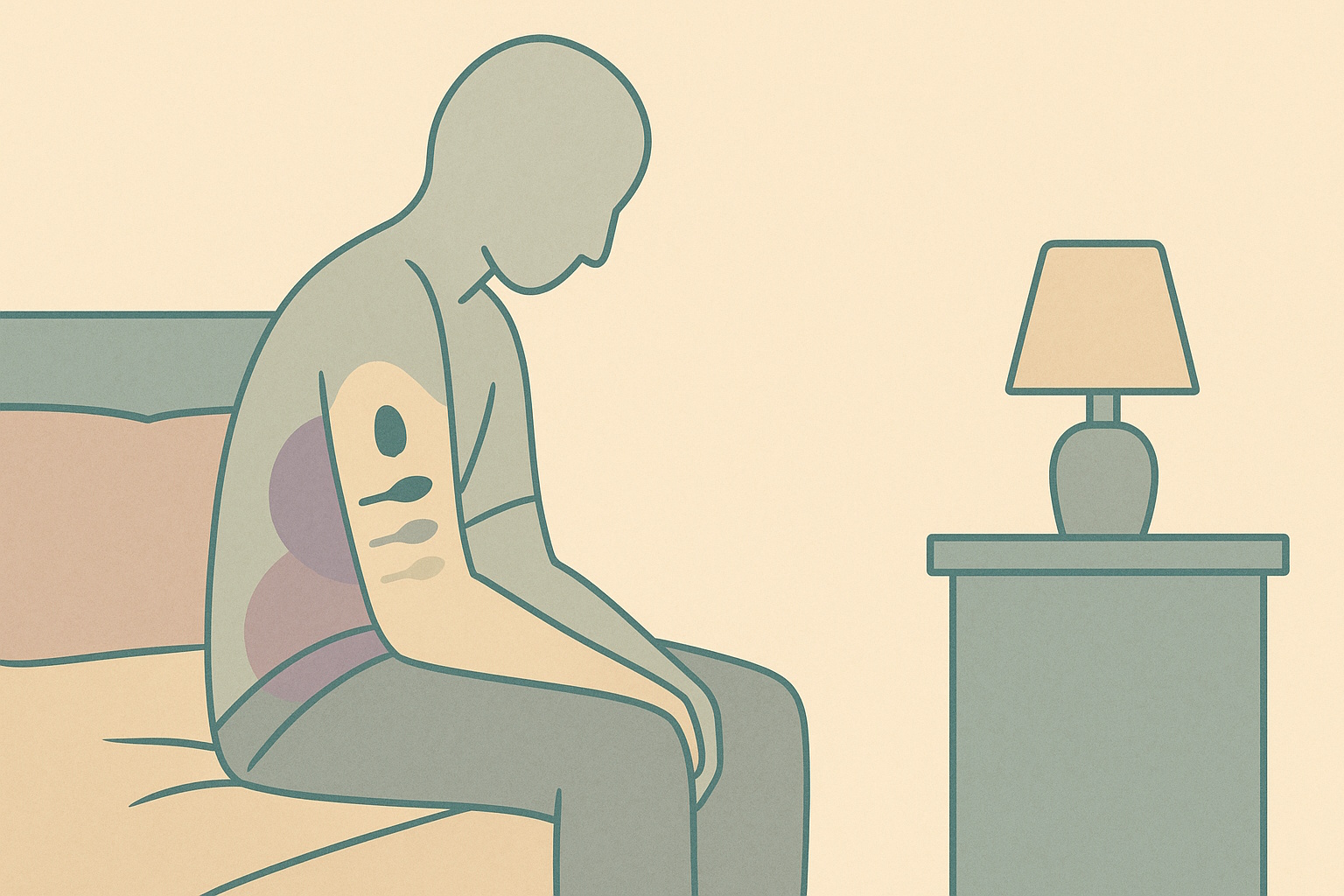
From the outside you might look calm and capable; at home you’re collapsing on the sofa, forgetting to eat and avoiding people. This article explores how long-term masking can feed into autistic burnout, what “quietly falling apart” can look like in everyday life, and offers small, realistic ways to unmask safely and protect your limited energy.

Read More
Informing Others of Neurodiversity

Telling People You’re Neurodivergent: Who, When, and Whether to Say Anything

Deciding whether to tell people you’re neurodivergent can feel huge. This article explores the pros and cons of disclosure with family, at work and in community roles, and shares how I’ve handled it so far as an autistic adult, employee, PhD student, parent and Beaver Scout Leader.

Read More
Passing as "fine" at work

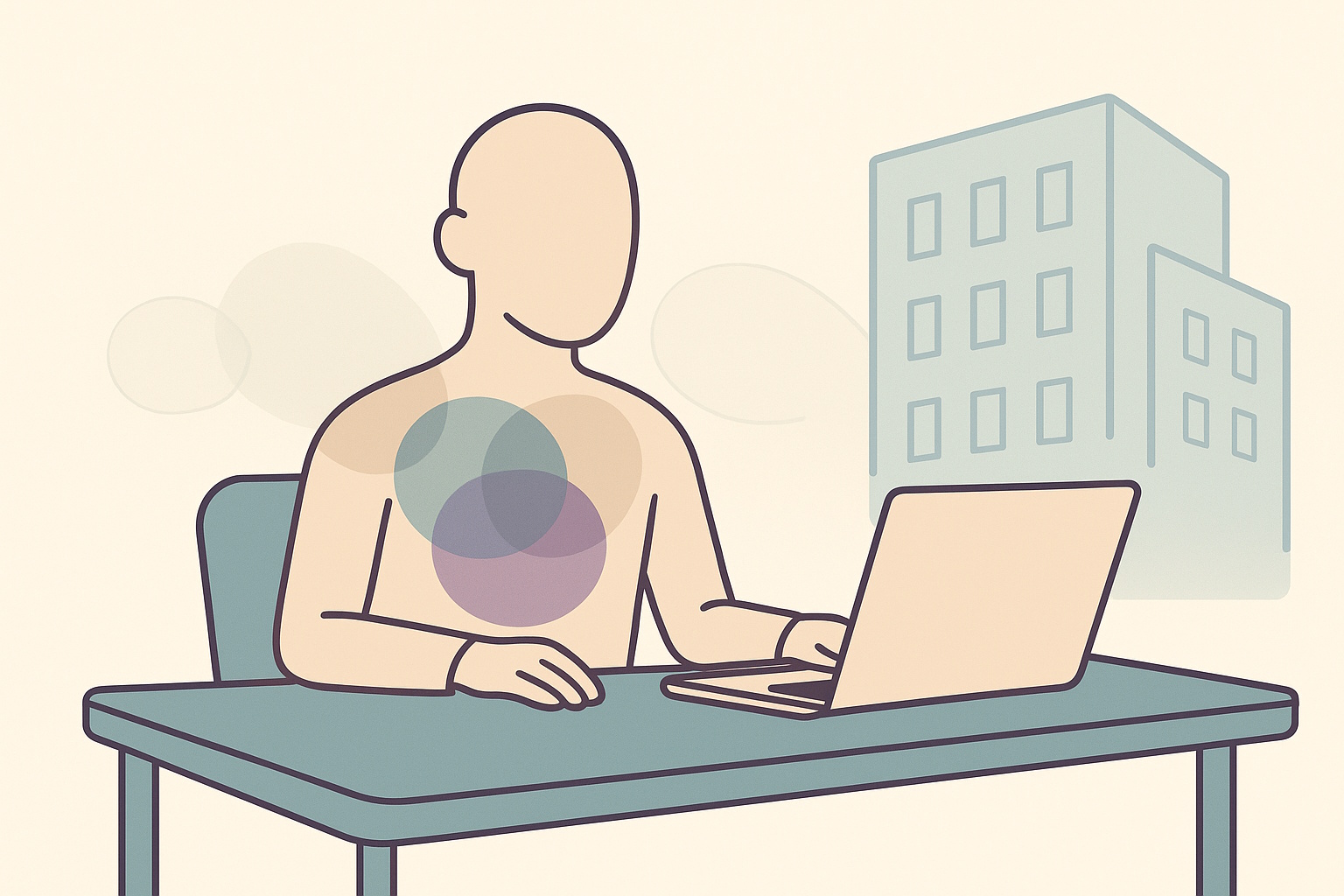
Passing as “Fine” at Work (When You’re Quietly Falling Apart)

Many neurodivergent people look calm and capable at work while quietly falling apart afterwards. This article names that pattern of “passing as fine”, explores why autistic and ADHD adults so often do it, and offers small, realistic ways to make work 5–10% kinder to your brain.

Read More